
Booking a flight can seem simple, but small mistakes during the process can lead to higher costs, inconvenient schedules, unexpected fees, or unnecessary travel stress. Knowing how to avoid common flight booking mistakes can help you choose a flight that actually suits your budget and travel plans.
Many travelers focus only on the advertised ticket price. However, the cheapest fare isn’t always the cheapest overall option once baggage, seat selection, transportation, and other costs are included. A flight with an inconvenient schedule can also become frustrating even if you save a little money.
The good news is that most booking mistakes are easy to avoid. By checking the important details before paying, comparing the total cost, reviewing your passenger information, and understanding the fare conditions, you can make a much more informed decision.
Don’t Focus Only on the Cheapest Ticket
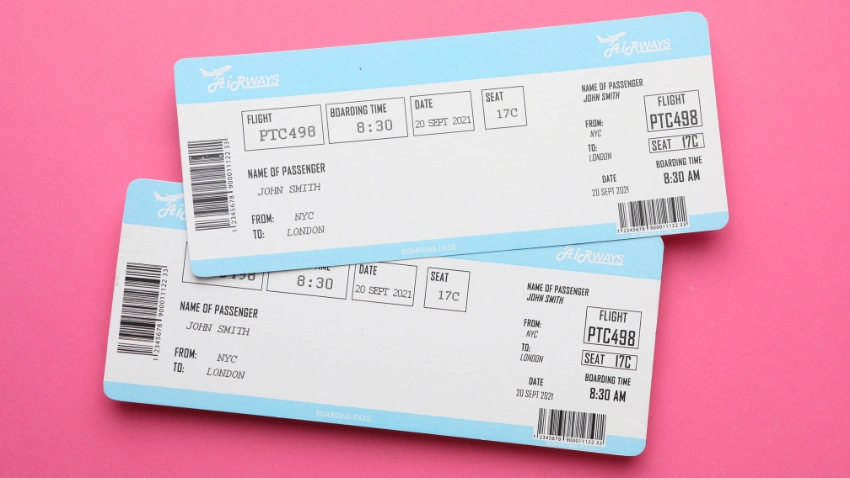
The lowest advertised fare can be tempting, especially when you’re trying to save money. However, price shouldn’t be the only thing you consider before booking a flight.
A cheaper ticket may have restrictions on baggage, seat selection, changes, or refunds. Another flight that costs slightly more may include useful features that reduce your overall travel expenses.
Before choosing a flight, compare what is actually included in the fare rather than looking only at the first price you see. Consider the complete cost of your journey and decide whether the cheaper option still makes sense after adding any necessary extras.
| What to Compare | Why It Matters |
| Ticket price | Your starting cost |
| Baggage | Extra luggage fees can add up |
| Seat selection | Some fares charge separately |
| Flight time | Longer journeys may be less convenient |
| Connections | Extra stops can increase travel time |
| Change rules | Important if your plans may change |
A slightly more expensive ticket can sometimes offer better overall value.
Check the Dates Before You Pay
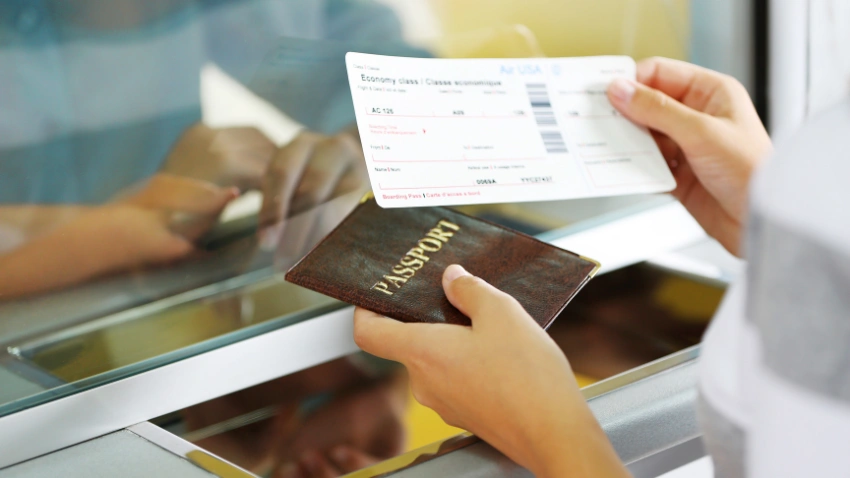
Entering the wrong travel date is one of the easiest mistakes to make when booking flights. A single incorrect day can create major problems, especially if your accommodation or other travel arrangements are already confirmed.
Before completing your booking, carefully check both the departure and return dates. Look at the actual day of the week as well as the calendar date. If you’re booking a trip that crosses midnight or involves different time zones, pay particular attention to the arrival date shown on your itinerary.
It can also help to compare the selected dates with your hotel booking, airport transportation, and other plans. Taking an extra minute to review everything together can prevent an expensive mistake.
Before payment, check:
Compare the Total Travel Cost

A flight’s displayed price doesn’t always represent the full amount you’ll spend. Depending on the airline and fare, you may have additional costs for baggage, seats, meals, airport transfers, or other services.
This is why comparing flights based only on their initial prices can be misleading. A ticket that looks cheaper at first may become more expensive once you add the services you actually need.
Imagine one flight costs $180 but requires an additional $60 for baggage and a seat, while another costs $220 and already includes those features. The second flight may actually be the better deal.
Before deciding, look at the total price you are likely to pay, not just the starting fare. This gives you a much clearer idea of which option genuinely fits your budget.
Don’t Ignore the Layover Time

Connecting flights can sometimes save money, but a poor connection can make your journey much more difficult. A very short layover may leave little room for delays, while an extremely long connection can turn a reasonably priced flight into an exhausting travel day.
When comparing connecting flights, look at the total journey time rather than just the ticket price. Also check whether you need to change terminals or go through additional security or immigration procedures.
Think About Your Connection
Short connection: Less waiting, but less flexibility if the first flight is delayed.
Moderate connection: Usually gives you more breathing room without adding excessive travel time.
Long connection: More time between flights, but can make the journey much longer.
The best connection depends on your route, airport, and comfort level. Don’t choose a connection simply because it makes the ticket slightly cheaper.
Check the Airport Carefully

Large cities can have multiple airports, and choosing the wrong one can create unexpected transportation problems. An airport that appears convenient on a booking website may actually be far from the area where you’re staying.
Before booking, check the airport code and location carefully. This is particularly important if you’re arriving late at night, traveling with heavy luggage, or planning to use public transportation.
Make sure you know:
A flight isn’t truly convenient if getting to or from the airport takes several extra hours or costs more than expected.
Read the Baggage Rules
Baggage policies can vary considerably between airlines and fare types. Assuming that every ticket includes the same amount of luggage can result in unexpected charges at the airport.
Check whether your fare includes a personal item, carry-on bag, checked luggage, or none of these. Also look at weight and size restrictions because exceeding the allowance may result in additional fees.
If you’re planning to travel with multiple bags, calculate the baggage cost before choosing your flight. This can change which ticket offers the best overall value.
Quick Tip: Don’t wait until airport check-in to discover that your luggage exceeds the airline’s allowance. Checking the rules before booking gives you a better idea of the real cost.
Double-Check Your Name and Passenger Information
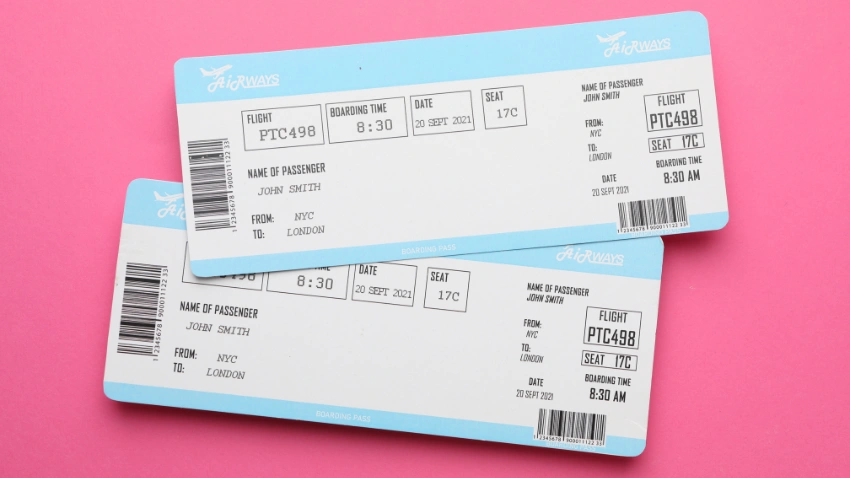
Small typing mistakes can become serious problems when booking a flight. Your passenger information should match your travel document as closely as required by the airline.
Before submitting the booking, carefully review names, dates of birth, passport information, and other required details. Don’t assume that a simple spelling mistake can always be corrected for free.
Review These Details
| Information | Check Before Payment |
| Full name | Matches travel document |
| Date of birth | Correct |
| Passport details | Correct where required |
| Email address | Active and accessible |
| Change rules | Important if your plans may change |
Save your confirmation after booking so you have a record of the information you submitted. If you notice an error, contact the airline as soon as possible rather than waiting until the day of travel.
Don’t Choose a Flight Without Checking the Schedule

A flight may look affordable and convenient until you look closely at its actual departure and arrival times. A very early morning flight might require leaving your accommodation in the middle of the night, while a late-night arrival might make transportation more complicated.
Think about the entire travel day rather than just the time you’ll spend on the airplane. Consider how early you’ll need to leave home, how you’ll reach the airport, and what you’ll do after landing.
For example, a flight that arrives several hours earlier may be more useful if it allows you to check into your accommodation sooner. On the other hand, paying extra for a flight at an inconvenient time may not be worthwhile if the schedule doesn’t benefit your plans.
Understand the Fare and Change Rules

Travel plans don’t always go exactly as expected. Before booking, check what happens if you need to change or cancel your flight.
Some fares provide greater flexibility, while cheaper fares may have strict restrictions. Make sure you understand whether changes are allowed, whether a fee applies, and whether refunds or credits are available.
This is particularly important when booking far in advance. A ticket that looks like a great deal may become less attractive if changing your plans would result in a large additional cost.
Don’t choose a flexible fare simply because it sounds better, but don’t ignore flexibility when there’s a realistic chance your plans could change.
Be Careful When Booking Separate Tickets
Booking separate flights can sometimes appear cheaper than buying a single itinerary, but it can also create additional risk. If your first flight is delayed and you miss the second flight, the airlines may not be responsible for protecting the rest of your journey if the tickets were booked separately.
You may also need to collect and recheck luggage or go through immigration and security again, depending on the airports and route.
If you decide to book separate tickets, make sure you understand the risks and allow enough time between flights. Saving money isn’t very helpful if a short connection causes you to miss an important flight.
Check the Flight Duration
Two flights between the same cities can have very different total travel times. A low-priced option may involve several hours of additional travel because of a longer connection.
When comparing flights, look at both the departure and arrival times and calculate the total journey duration. Don’t judge an itinerary only by how much the ticket costs.
Saving $30 may not be worthwhile if it adds six or seven hours to your trip, especially if you’re traveling for a short vacation or have plans soon after arrival.
A good flight comparison considers both money and time. The most suitable option is usually one that offers a reasonable balance between cost and convenience.
Review Everything Before Clicking “Pay”
The final review is one of the most important steps in the booking process. Once you reach the payment page, don’t rush simply because you want to finish the purchase.
Go through the itinerary one final time. Check the names, dates, airports, times, baggage allowance, number of passengers, and total price. Make sure the flight you’ve selected is actually the one you intended to book.
If everything looks correct, complete the payment and save your confirmation email or booking reference somewhere accessible.
Final Booking Check
A final two-minute review can save you from hours of unnecessary problems later.
A Simple Flight Booking Checklist
Before confirming any flight, ask yourself whether the ticket works for your budget, schedule, luggage needs, and overall travel plans.
You don’t necessarily need the cheapest flight or the fastest flight. The best choice is usually the one that gives you a reasonable balance between price, convenience, travel time, and flexibility.
Keep your booking confirmation, check for schedule updates before departure, and review any important airline instructions after purchasing your ticket.
Learning how to avoid common flight booking mistakes can make the entire travel experience easier. Many expensive or frustrating problems happen because travelers rush through the booking process or focus too heavily on the advertised ticket price.
Take the time to check your dates, passenger information, airports, baggage allowance, connection times, total cost, and fare conditions before paying. Think about the complete journey rather than judging a flight by its initial price alone.
A few extra minutes of careful planning can help you avoid unnecessary fees, inconvenient schedules, and booking errors. The goal isn’t simply to find a cheap flight. It’s to find a flight that genuinely works for your trip.
Frequently Asked Questions
What is the most common flight booking mistake?
One of the most common mistakes is booking without carefully checking the dates, times, passenger information, or airport. Another frequent mistake is choosing a flight based only on its advertised price without considering additional costs.
Should I always book the cheapest flight?
Not necessarily. A slightly more expensive flight may include baggage, have a better schedule, offer a shorter journey, or provide more flexibility. Compare the total value before making your decision.
How can I avoid unexpected flight fees?
Check the fare conditions and baggage rules before booking. Look at what is included in the ticket and calculate additional costs such as luggage or seat selection before comparing the final price.
Is a longer layover always better?
No. A little extra connection time can provide useful protection against delays, but an excessively long layover can make your journey unnecessarily tiring. Aim for a connection that gives you enough time without creating excessive waiting.
Should I book separate flight tickets to save money?
Separate tickets can sometimes reduce the initial cost, but they can create additional risks if one flight is delayed. If you book separately, allow plenty of time between flights and understand the consequences if you miss a connection.
When should I check my flight after booking?
Check your booking confirmation immediately after purchasing and review the flight details again before your travel date. Airlines can sometimes make schedule changes, so keeping an eye on your booking is a good habit.
Share This Article