

Booking a flight is more than simply finding the lowest ticket price. A cheap fare can sometimes come with expensive baggage fees, inconvenient flight times, long layovers, strict cancellation rules, or distant airports. Before confirming your reservation, it is important to compare the complete travel details and understand what is included in the fare.
This flight booking checklist can help you avoid unexpected costs, choose a convenient itinerary, and make a more informed travel decision. Whether you are booking a domestic trip or an international journey, checking these ten factors can save both money and time.
Check the Total Flight Price

The advertised ticket price may not always be the final amount you pay when booking a flight. Many airlines display a low base fare to attract travelers, but additional charges may be added for checked baggage, seat selection, meals, airport services, priority boarding, or other optional features. These extra fees can significantly increase the overall cost of your trip, especially if you require several additional services. Therefore, it is important to look beyond the initial ticket price and consider all possible charges before deciding which flight offers the best value for your budget.
Before booking, compare the final price at checkout, not just the initial fare shown in search results.
Check for:
A slightly more expensive ticket may actually be cheaper overall if it includes services that another airline charges for separately.
Check the Flight Schedule

Flight timing can have a major impact on your overall travel experience and convenience. A very cheap flight may leave extremely early in the morning or arrive late at night, making it more difficult to arrange transportation, reach your hotel, or follow your planned itinerary. Before booking, carefully consider the departure and arrival times and check whether they fit comfortably with your travel plans. Sometimes, paying a little more for a flight at a convenient time can save you from unnecessary waiting, transportation problems, and additional expenses.
Look carefully at:
Choose a schedule that fits your plans rather than automatically selecting the cheapest option.
Check the Baggage Allowance

Baggage policies vary between airlines and fare types, so it is important to check them carefully before booking your flight. Some low-cost fares may include only a small personal item, while carry-on or checked baggage may require an additional fee. These extra charges can quickly increase the overall cost of your trip, especially when traveling with multiple bags.
Before confirming your booking, review the airline’s baggage allowance, weight limits, bag size requirements, and fees for additional luggage. Knowing these rules in advance can help you avoid unexpected charges at the airport and choose a flight that provides enough baggage allowance for your travel needs and budget.
Before paying, check:
If you are traveling with several bags, calculate the baggage cost before comparing fares.
Check the Departure and Arrival Airports

Some cities have multiple airports, and the airport shown in a search result may not always be the most convenient option for your trip. Different airports can be located at varying distances from the city center, hotels, or major attractions, which can affect your travel time and transportation costs.
Before booking, check the exact departure and arrival airports and consider how easily you can travel to and from them. A flight with a slightly higher ticket price may actually be more affordable overall if it uses a convenient airport and reduces your transportation expenses and travel time.
Check the exact:
A flight that saves $40 may not be a better deal if you have to spend $60 on transportation to reach a distant airport.
Check the Number and Length of Layovers

Direct flights are usually more convenient because they allow you to reach your destination without stopping at another airport. They can save time, reduce the stress of changing flights, and lower the chances of problems with missed connections or delayed baggage. However, direct flights are not always the cheapest option, so connecting flights can sometimes offer significant savings.
A lower fare may come with a very long layover, which can greatly increase your total travel time and make the journey less comfortable. Before booking a connecting flight, check the length of each layover and consider whether the money saved is worth the additional travel time. A flight with a slightly higher price and a shorter connection may provide better overall value and convenience.
When comparing connecting flights, consider:
Avoid extremely short connections when possible, especially when changing airports or traveling internationally.
Check the Airline Reputation and Reliability
Price should not be your only consideration when selecting an airline, as the cheapest option may not always provide the best overall travel experience. Before booking, check the airline’s reputation, customer service, baggage policies, flight reliability, and recent passenger reviews. It is also useful to consider how the airline handles delays, cancellations, baggage issues, and customer support. Choosing an airline with a slightly higher fare may provide better service, greater reliability, and more convenient policies, making it a better overall value for your trip.
You can research:
Choosing a reliable airline can make your journey easier if something unexpected happens.
Check the Cancellation and Change Policy
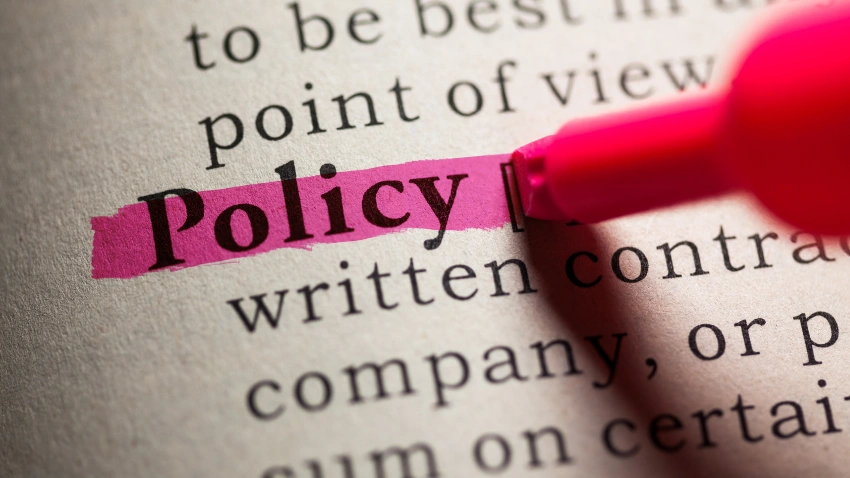
Travel plans can change unexpectedly, so it is important to understand the ticket’s cancellation, change, and refund policies before purchasing a flight. Different airlines and fare types may have different rules, fees, and restrictions, and some cheaper tickets may be non-refundable or difficult to change. Before booking, check whether you can change your travel date, cancel the ticket, or receive a refund or travel credit. Understanding these conditions in advance can help you avoid unexpected costs and give you greater flexibility if your plans change.
Look for:
Flexible tickets may cost more initially but can provide greater protection if your plans are uncertain.
Check the Travel Documents and Visa Requirements
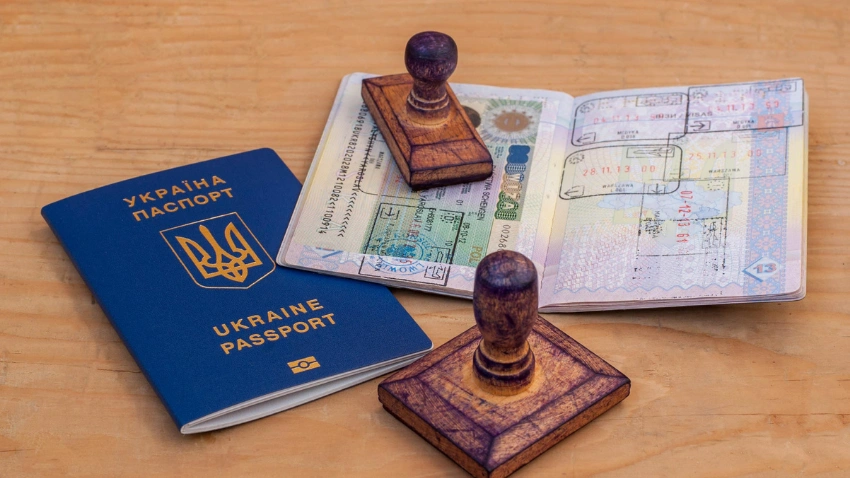
For international travel, make sure you have all the necessary documents and meet the entry requirements before booking your flight. A flight ticket does not automatically guarantee that you can enter your destination country, as you may need a valid passport, visa, transit visa, or other required documents. Checking these requirements in advance can help you prepare properly and avoid problems at the airport.
You should also check the passport validity requirements and any specific entry rules that apply to your destination. If your flight includes a connection in another country, review the transit requirements as well, because some routes may require a transit visa. Taking the time to confirm these details before booking can help prevent denied boarding, unexpected expenses, and disruptions to your travel plans.
Check:
It is particularly important to check transit requirements when your itinerary includes a connection in another country.
Check the Flight Duration

Two flights between the same destinations can have very different total travel times, even if they have similar departure and arrival locations. One flight may be direct and take only a few hours, while another may include one or more stops and require significantly more time. When comparing flights, look beyond the ticket price and consider the total journey duration, number of stops, and layover time to choose an option that provides the best balance between cost, convenience, and travel time.
For example:
| Flight Option | Ticket Price | Stops | Total Travel Time | Overall Convenience |
| Flight A | $280 | 0 | 3h 30m | High |
| Flight B | $220 | 1 | 7h 15m | Medium |
| Flight C | $190 | 2 | 12h 40m | Low |
| Flight D | $250 | 1 | 5h 20m | Good |
The cheapest ticket is not necessarily the best option. Consider how much additional time you are willing to spend to save money.
Check the Fare Conditions Before Paying

Before clicking the final booking button, carefully review the complete fare conditions and make sure all the information matches what you selected during your search. Check the passenger name, travel dates, departure and arrival airports, flight times, baggage allowance, seat selection, and total price. It is also important to review the airline’s cancellation, refund, and change policies so you understand the terms of your ticket. Taking a few extra minutes to confirm these details can help you avoid costly mistakes and unexpected charges after completing your booking.
Confirm:
A few minutes of careful checking can help prevent expensive mistakes.
Why You Should Compare the Complete Cost
When searching for affordable flights, it is easy to focus only on the displayed ticket price. However, the actual cost of a trip can be higher after adding baggage, transportation, meals, seat selection, and other charges.
For example, consider two flights:
Although Flight A has the cheaper advertised fare, Flight B costs less overall.
This is why comparing the total travel cost is one of the most important flight booking tips.
Quick Flight Booking Checklist
Before completing your purchase, ask yourself:
Checking the details before booking a flight can help you avoid unexpected expenses, unnecessary delays, and other travel problems. Instead of choosing a ticket based only on the advertised price, consider the total cost, baggage allowance, flight schedule, departure and arrival airports, layovers, airline policies, cancellation rules, travel documents, and overall convenience. Looking at all these factors together can help you understand the true value of a flight and make a more informed booking decision.
A few extra minutes of research before purchasing your ticket can make a significant difference to your overall travel experience. Carefully comparing different flights allows you to identify hidden fees, inconvenient schedules, long layovers, and restrictive ticket conditions before they become a problem. This simple preparation can also help you stay within your travel budget while choosing an itinerary that better matches your needs and preferences.
By following these 10 things to check before booking a flight, you can compare available options more effectively and avoid making decisions based solely on the cheapest fare. The best flight is not always the one with the lowest advertised price, but the one that offers the right balance of price, comfort, convenience, flexibility, and travel time. Taking a thoughtful approach to flight booking can help make your journey smoother, more predictable, and more enjoyable.
Frequently Asked Questions (FAQs)
1. What should I check before booking a flight?
Check the total price, baggage allowance, flight schedule, airports, layovers, airline policies, cancellation rules, travel documents, and flight duration.
2. Is the cheapest flight always the best option?
No. A cheaper ticket may have additional baggage fees, long layovers, inconvenient airport locations, or strict cancellation policies.
3. Why should I check baggage fees before booking?
Baggage charges can significantly increase the total cost of your trip. Always check what baggage is included in your selected fare.
4. Should I check the cancellation policy before buying a ticket?
Yes. Understanding the cancellation and change rules can help you avoid unexpected fees if your travel plans change.
5. How can I avoid mistakes when booking a flight?
Review your passenger name, travel dates, airports, flight times, baggage allowance, total price, and fare conditions carefully before making the final payment.
Share This Article