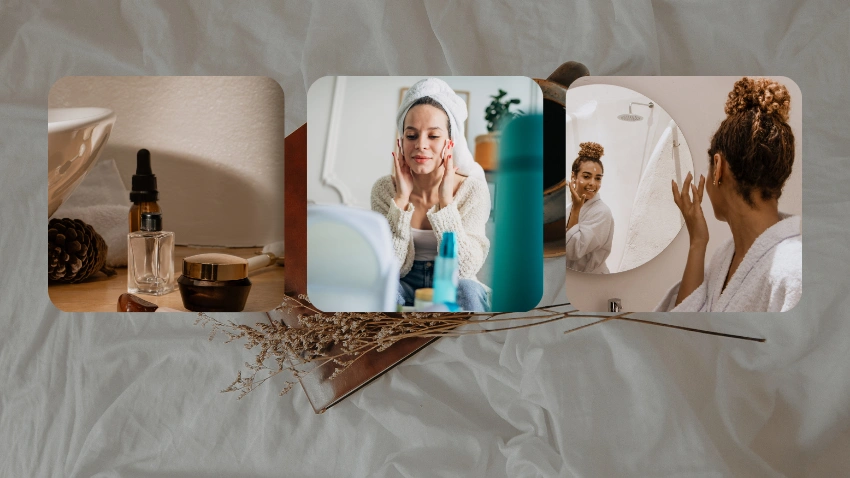
Feeling tired during the day can affect your mood, concentration, motivation, and even your enjoyment of simple activities. A busy schedule, poor sleep, too much screen time, skipped meals, and not taking enough breaks can gradually leave you feeling drained. Fortunately, you do not need to completely change your lifestyle to feel refreshed every day.
Refreshing your routine is often about paying attention to small habits that are easy to ignore. Getting better rest, moving your body, drinking enough water, spending time away from screens, and giving yourself moments to relax can all make your days feel more balanced. The key is to find simple habits that work with your lifestyle and can be repeated consistently.
Give Yourself a Better Start in the Morning

A rushed morning can make you feel behind before the day has even properly started. Instead of immediately jumping into messages, social media, work, or household responsibilities, give yourself a few minutes to wake up properly.
Open the curtains, wash your face, drink some water, stretch lightly, or simply sit quietly for a moment. You can also prepare a few things the night before so your morning involves fewer unnecessary decisions.
You do not need a complicated morning routine. The purpose is simply to create a calmer transition between sleep and the beginning of your day.
Morning Reminder: A peaceful start does not have to take an hour. Even 10 or 15 quiet minutes can make your morning feel less rushed.
Keep Water Close Throughout the Day

It is surprisingly easy to forget about water when you are busy. You may spend several hours working or studying and only realize later that you have hardly had anything to drink.
Keeping a water bottle nearby makes hydration much more convenient. Instead of waiting until you are very thirsty, make drinking water a regular part of your day.
Your fluid needs can vary depending on your activity, environment, diet, and individual circumstances. Rather than following one fixed amount, focus on maintaining regular hydration that suits your needs.
If you usually reach for sweetened beverages throughout the day, replacing some of them with water can also be a simple change.
Make Sleep a Non-Negotiable Part of Your Routine

Sleep is one of the biggest factors affecting how you feel the following day. When you regularly stay up too late or have an inconsistent schedule, it can become much harder to wake up feeling ready for the day.
Adults generally need at least seven hours of sleep each night, although individual needs vary. Try to give yourself enough time for proper rest instead of treating sleep as something you can always catch up on later.
Your nighttime environment can also make a difference. Keep your bedroom comfortable, reduce unnecessary distractions, and give yourself some time to wind down before bed.
A simple evening routine might include:
A regular sleep routine can make mornings feel considerably easier.
Add Small Bursts of Movement

You do not need to complete an intense workout every day to become more active. If you spend a lot of time sitting, simply getting up and moving regularly can give your day some much-needed variety.
Walk around your home, stretch your legs, move your shoulders, or take a short walk outside. If you enjoy exercise, you can include more structured activities such as cycling, swimming, dancing, or strength training.
Make Movement Convenient
The easier an activity is to start, the more likely you are to do it. Keep comfortable shoes available for walking, stretch while waiting for something, or take the stairs when it makes sense.
The goal is to make movement part of your normal day rather than something you only do when you have a large amount of free time.
Take a Real Break From Your Screen

There is a difference between taking a break and simply switching from your computer to your phone. If you spend your work break scrolling through another app, your mind may still be processing a constant stream of information.
When possible, step away from your screen completely. Stand up, walk around, look outside, stretch, or sit somewhere different for a few minutes.
Try this: After completing a long task, leave your screen for a short period before starting the next one.
These small pauses can make your day feel less repetitive and give your attention an opportunity to reset.
Choose Foods That Keep Your Routine Balanced

The food you eat is another part of your everyday wellness routine. You do not need a strict diet or complicated meal plan, but regularly eating a variety of nutritious foods can help you build healthier habits.
Try including different food groups in your meals instead of depending on the same few convenient options every day. Fruits, vegetables, whole grains, protein-rich foods, and appropriate sources of healthy fats can all have a place in a balanced eating pattern.
Avoid turning healthy eating into a list of rigid rules. A routine that allows flexibility is usually easier to maintain over the long term.
Quick Tip: Keep a few simple nutritious foods available at home so you have an easy option when you are too busy to prepare something complicated.
Spend a Little Time Outdoors

A change of scenery can sometimes be enough to make a long day feel different. If you have spent most of your time indoors, step outside for some fresh air or take a short walk.
You could go outside in the morning, take a break during the afternoon, or walk after dinner. If there is a comfortable outdoor space nearby, simply sitting there for a few minutes can provide a welcome change from your usual environment.
Outdoor time can also be combined with other habits. Instead of taking a phone call while sitting at your desk, walk around outside if appropriate.
The important part is giving yourself some time away from the same indoor surroundings.
Reduce the Things That Constantly Demand Your Attention

Sometimes the problem is not that you have too little time to rest, but that your attention never gets a chance to settle. Notifications, emails, messages, social media, and endless online content can keep your mind occupied throughout the day.
You do not have to give up technology. Instead, decide which interruptions actually deserve your immediate attention.
You can simplify your digital routine by:
Creating even a little distance from constant notifications can make your free time feel more peaceful.
Make Time for Something You Enjoy

Not everything in your day needs to be productive. If every hour is spent working, studying, cleaning, or completing responsibilities, you may eventually feel mentally exhausted.
Make space for something that you genuinely enjoy. It could be reading, listening to music, cooking, gaming, drawing, gardening, watching a favorite show, or spending time with people you care about.
You do not need to dedicate an entire afternoon to it. Even a short period of enjoyable personal time can give you something to look forward to.
Enjoyment Is Part of Balance
Hobbies and enjoyable activities are not wasted time. They can provide a mental change from repetitive responsibilities and make your routine feel more complete.
Choose something because you like doing it, not because it needs to improve your productivity.
End Your Day With a Simple Reset

Your evening can be more than just the final few hours before bed. It can also be an opportunity to prepare your mind and surroundings for tomorrow.
Spend a few minutes putting things back in place, preparing your clothes, checking tomorrow’s important tasks, or finishing your personal-care routine. This can reduce the number of things you need to think about when you wake up.
Try not to fill every final moment of the evening with work or scrolling. Give yourself some quiet time before going to sleep.
Night Reset: Finish the day with a few simple tasks, then allow yourself to relax instead of constantly looking for something else to accomplish.
Notice What Makes You Feel Drained
If you often feel tired, spend a few days paying attention to your routine. Notice when your energy seems to drop and what was happening beforehand.
Maybe you had been sitting for several hours, skipped a meal, stayed online too long, or simply had too many tasks packed into one day. Identifying these patterns can help you make more useful changes.
You do not need to remove every difficult activity from your life. The purpose is to understand which habits may be making your days harder than they need to be.
Keep Your Routine Flexible
A healthy routine does not have to look exactly the same every day. Some days will be busier than others, and unexpected responsibilities can easily change your plans.
Instead of giving up when your routine is interrupted, return to your basic habits when you have the opportunity. A flexible approach can be much easier to maintain than a strict schedule.
For example, if you cannot take a long walk one day, a few minutes of movement may still be worthwhile. If you cannot follow your usual bedtime perfectly, simply return to your normal schedule afterward.
Do Not Try to Change Everything at Once
One common mistake is attempting to improve sleep, diet, exercise, screen time, productivity, and every other part of life simultaneously.
Start with one or two habits that feel manageable. Once they become natural, gradually introduce another change.
Remember: Small habits that become part of your normal life are more valuable than ambitious routines that you cannot maintain.
Learning to feel refreshed every day does not require a complicated wellness plan. Better sleep, regular hydration, balanced meals, everyday movement, meaningful breaks, outdoor time, less unnecessary screen use, and enjoyable personal activities can all contribute to a more balanced routine.
The most important step is to begin with changes that are realistic for you. You do not need to transform your entire schedule overnight. Choose a couple of simple habits, make them consistent, and build from there.
A refreshed lifestyle is not about feeling energetic every minute. It is about giving yourself regular opportunities to rest, reset, and take care of your everyday needs. With small changes and a little consistency, your daily routine can become more comfortable and sustainable.
Frequently Asked Questions
Start with the basics: get enough sleep, stay hydrated, eat balanced meals, move regularly, and take genuine breaks. You can gradually add other habits as your routine becomes more comfortable.
Give yourself enough time to wake up without rushing. Drinking water, getting some natural light, washing your face, stretching, and avoiding immediate phone use can create a calmer beginning.
Yes. Short breaks can give you a chance to step away from repetitive tasks and screens. A break is more useful when you actually change your activity rather than immediately switching to another screen.
Adults generally need at least seven hours of sleep each night, although the ideal amount can vary between individuals. Consistent sleep habits can also support better rest.
Consider taking a short break, drinking some water, walking around, stretching, or getting some fresh air. If afternoon tiredness is persistent or unusual, it may be worth discussing with a healthcare professional.
Spending time outdoors can provide a useful change of environment and a break from indoor routines. A short walk or a few quiet minutes outside can be an easy addition to your day.
Give yourself some distance from work and constant notifications. A quiet walk, relaxing hobby, music, reading, or time with someone you enjoy can help create a transition between responsibilities and personal time.
There is no exact number of days that applies to everyone. Start with simple habits and repeat them consistently. Over time, they can become a natural part of your daily routine.
Share This Article