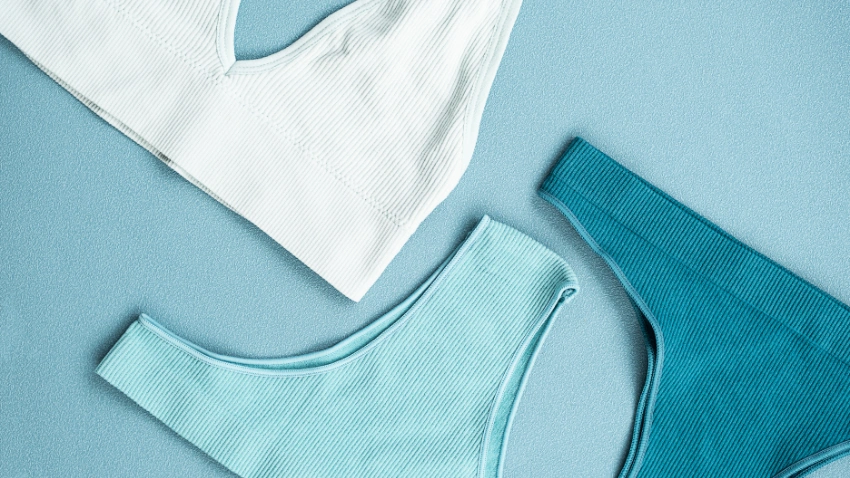
Finding the perfect underwear fit is essential for everyday comfort, confidence, and personal hygiene. The right underwear should feel comfortable throughout the day, provide suitable coverage, and stay in place without digging into your skin or restricting movement. However, choosing the right pair can be challenging because underwear comes in different sizes, fabrics, styles, and cuts.
Whether you prefer briefs, boxers, bikinis, boyshorts, or other styles, understanding how underwear should fit can make shopping much easier. In this guide, you’ll learn how to measure yourself, choose the right fabric, recognize common fit problems, and find underwear that suits your everyday needs.
Understand Your Underwear Size
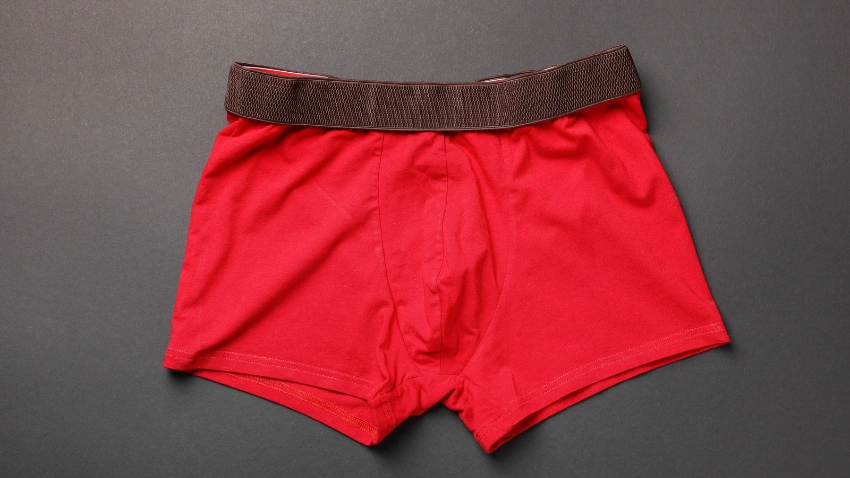
The first step toward finding the perfect underwear fit is understanding your size. Underwear sizes vary between brands, so the size you wear in one brand may not fit exactly the same way in another.
Most underwear brands offer sizes such as XS, S, M, L, and XL, while some use numerical measurements or waist-size ranges. Always check the brand’s size chart before purchasing a new style.
How to Measure for the Right Size
Follow these simple steps to get a more accurate measurement:
If your measurements fall between two sizes, review the brand’s guidance and consider whether you prefer a closer or more relaxed fit.
Choose an Underwear Style That Suits You
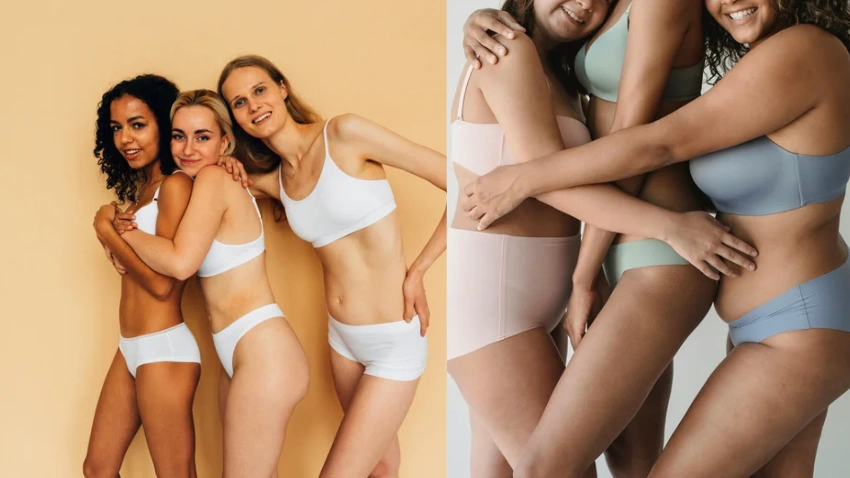
Different underwear styles offer different levels of coverage, support, and freedom of movement. The best option depends on your clothing, daily activities, and personal comfort preferences.
Briefs
Briefs offer a compact design with a supportive fit and relatively little fabric around the legs. They can work well under fitted trousers, everyday clothing, and uniforms.
Boxers
Traditional boxers have a looser cut and provide more room around the thighs. They are often preferred for relaxed wear, although their extra fabric may bunch up under tight trousers.
Boxer Briefs
Boxer briefs combine the closer fit of briefs with longer legs. They can help reduce fabric movement and chafing during walking or other everyday activities.
Bikini Underwear
Bikini styles generally feature a lower rise and narrower sides than traditional briefs. They may suit people who prefer less coverage around the waist.
Boyshorts
Boyshorts typically have a more rectangular shape with additional coverage around the hips and rear. Their comfort depends on the waistband, leg openings, and fabric.
Tip: There is no single underwear style that works best for everyone. Choose the style that feels comfortable and stays in place during your normal daily activities.
Select the Right Fabric for Everyday Comfort
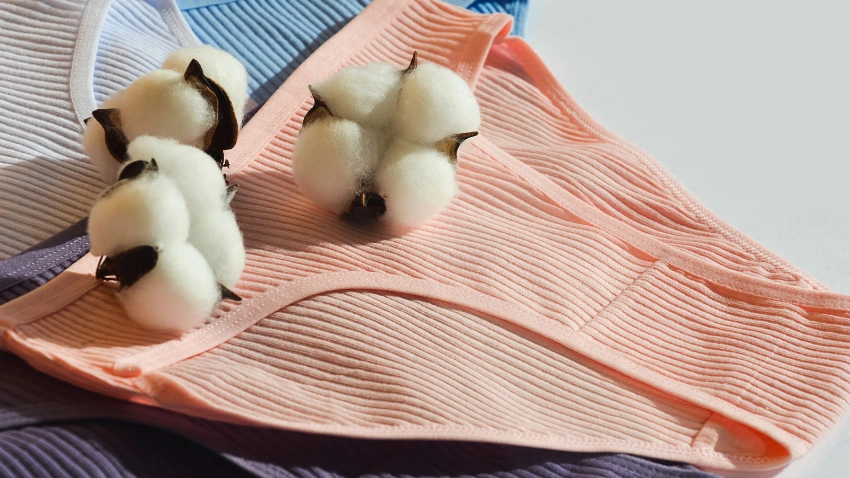
Fabric affects how underwear feels against your skin, how well it manages moisture, and how it holds its shape after washing.
Cotton, modal, microfiber, and fabric blends are common choices, each offering different characteristics.
Cotton
Cotton is a popular option because it is soft, breathable, and easy to care for. Cotton underwear with a cotton gusset can be a comfortable choice for everyday use.
Modal
Modal is a soft, smooth fabric made from regenerated cellulose. It often feels lightweight and drapes smoothly against the skin.
Microfiber
Microfiber fabrics are commonly used in seamless and performance underwear. Depending on the construction, they may dry quickly and feel smooth beneath clothing.
Stretch Blends
Fabrics blended with elastane or spandex provide stretch and help underwear retain its shape. A small amount of stretch can improve movement and comfort.
When selecting underwear, consider your climate, activity level, skin sensitivity, and laundry preferences. Avoid fabrics that consistently cause irritation or feel uncomfortable during extended wear.
Check the Waistband and Leg Openings
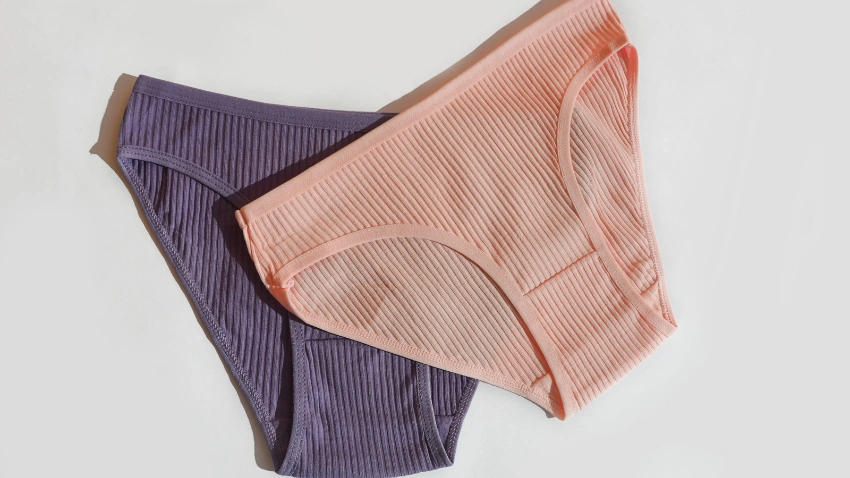
A good fit depends on more than the size printed on the label. The waistband and leg openings should sit comfortably without squeezing or shifting excessively.
Signs of a Comfortable Waistband
Signs of Proper Leg Openings
If the waistband feels tight but the rest of the underwear fits comfortably, try a different cut or waistband design before assuming you need a completely different size.
Recognize the Signs of Poor Underwear Fit
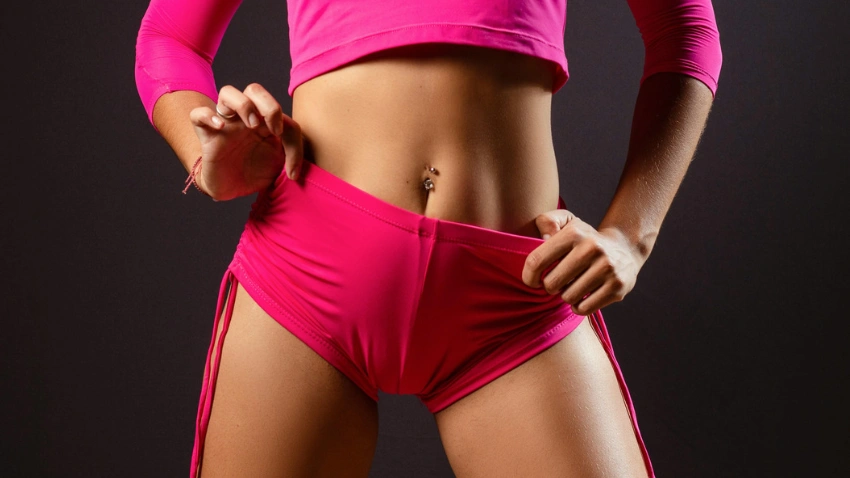
Underwear that does not fit correctly can become uncomfortable during everyday activities. Learning to recognize common problems can help you make better purchasing decisions.
Common fit problems include:
Underwear should not cause persistent itching, pain, chafing, or skin irritation. If a particular pair repeatedly causes discomfort, stop wearing it and try a different fabric, construction, or fit.
Consider Your Daily Activities
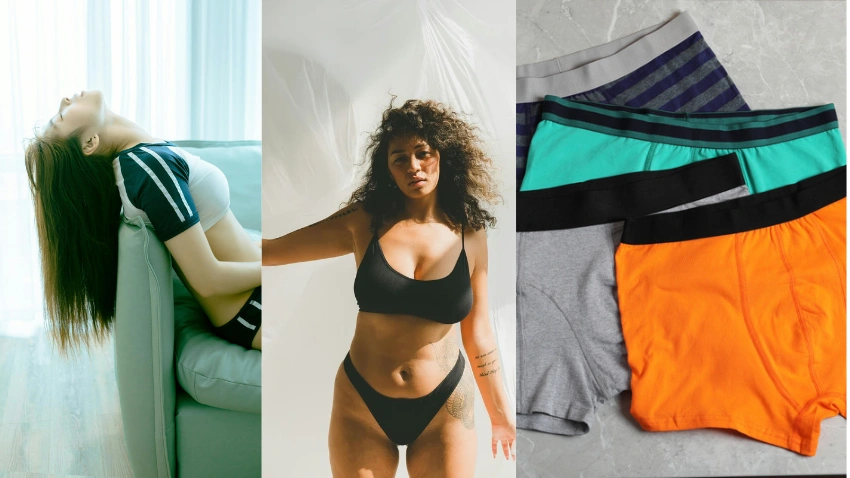
The best underwear for work may not be the same as the best option for exercise or sleeping. Think about how you spend most of your day before choosing a style.
Choose a comfortable fabric, a secure waistband, and a design that remains in place while sitting, walking, and completing daily tas
For Exercise
Look for moisture-managing fabric, comfortable seams, and a fit that reduces unnecessary movement and rubbing. Change out of damp underwear after exercise when possible.
For Long Workdays
Prioritize softness, breathable materials, and a waistband that remains comfortable after several hours of sitting or standing.
For Sleeping
Choose a style that allows comfortable movement and does not create unwanted pressure. Depending on your preference, a relaxed fit or lightweight fabric may be suitable.
The goal is to choose underwear that supports your activities without requiring constant adjustment.
Find the Right Fit Under Different Clothes
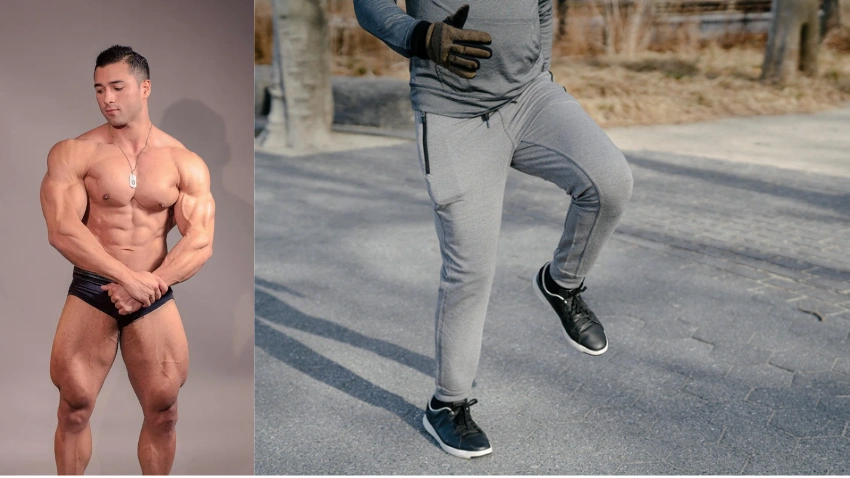
Underwear can affect how comfortable your outer clothing feels. The right cut may also help reduce visible lines or excess fabric beneath certain garments.
Remember that visible underwear lines are a matter of personal preference, not a sign that your body or underwear is wrong. Comfort should remain the priority.
Understand When to Replace Your Underwear
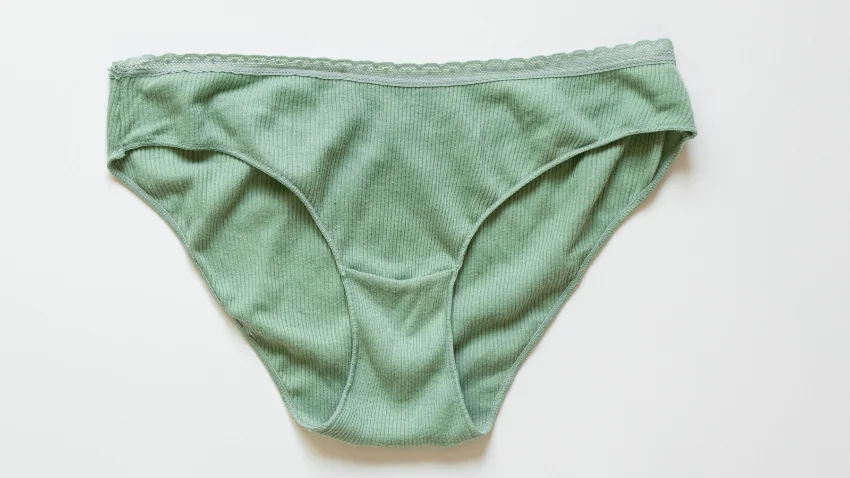
Even well-fitting underwear eventually loses its shape and elasticity. Regularly checking the condition of your underwear helps maintain comfort and hygiene.
Consider replacing a pair when you notice:
Wash underwear according to the care label, use suitable detergent, and allow it to dry thoroughly before storing it. Proper care can help extend the useful life of many garments.
Shop Smarter for the Perfect Fit

Buying underwear becomes easier when you know which measurements, materials, and design features matter most to you.
Before purchasing a new pair, consider the following checklist:
If you find a style that works well, note its size, material, and cut. This can make future purchases more straightforward, although sizing may still vary between product ranges.
Underwear Fit Guide at a Glance
| Feature | What to Look For | Possible Sign of a Poor Fit |
|---|---|---|
| Waistband | Secure and comfortable | Digging in or rolling |
| Leg openings | Stay in place without pinching | Riding up or squeezing |
| Fabric | Soft and suitable for your activities | Irritation or excessive discomfort |
| Overall size | Fits according to the brand’s chart | Excessive pressure or bunching |
| Seams | Smooth and comfortable against the skin | Rubbing or irritation |
| Support and coverage | Suitable for your preferred style | Constant shifting or insufficient coverage |
| Durability | Elastic and fabric retain their condition | Stretching, tearing, or thinning |
Finding the perfect underwear fit starts with understanding your measurements, choosing a suitable style, and selecting a fabric that feels soft and comfortable against your skin. A well-fitting pair should stay in place throughout the day, allow natural movement, and provide the coverage or support you prefer without creating unnecessary pressure, tightness, or irritation. It is also important to consider the waistband, leg openings, and seams, as these details can significantly affect overall comfort. Choosing breathable, high-quality materials can help you feel comfortable during daily activities, whether you are working, exercising, travelling, or relaxing at home. By paying attention to your personal preferences and comfort needs, you can find underwear that fits well and supports your everyday routine.
Before your next purchase, take a moment to check the size chart, consider your daily activities, and pay attention to the waistband, leg openings, seams, and fabric quality. Avoid choosing a size based only on its label, as sizing can vary between brands and styles. Instead, compare your measurements with the manufacturer’s guidelines and consider how the material may fit after washing. If possible, look for fabrics that offer breathability, flexibility, and durability, especially if you plan to wear the underwear for long periods. Remember that sizes, body shapes, and preferences differ from person to person, so there is no single style or fit that works for everyone. The best underwear is ultimately the pair that consistently feels comfortable, stays in place, allows you to move freely, and meets your everyday needs.
Frequently Asked Questions (FAQs)
Your underwear should stay in place during normal movement without pinching, digging into your skin, or bunching up. The fabric should feel comfortable while sitting, walking, and standing.
Use the manufacturer’s size chart rather than automatically sizing up or down. If you are between sizes, check the brand’s recommendations and consider the fabric, cut, and your preferred level of snugness.
Cotton is a popular everyday choice because it is soft and breathable. Modal and suitable microfiber blends are alternatives for people who prefer a smoother feel. Personal comfort and skin sensitivity should guide your choice.
Underwear may ride up because of its cut, leg-opening design, fabric stretch, or overall fit. Trying a different style or design may help reduce the problem.
There is no universal replacement schedule. Replace underwear when its elastic weakens, fabric becomes damaged, seams unravel, or it no longer feels comfortable and stays in place.
Yes. Tight garments, friction, rough seams, damp fabric, or sensitivity to certain materials can contribute to irritation. Choose comfortable, breathable garments and seek medical advice if irritation persists or becomes severe.
No. A higher price does not automatically guarantee a better fit. Look for comfortable construction, suitable materials, durability, and reliable sizing within your budget.
Share This Article