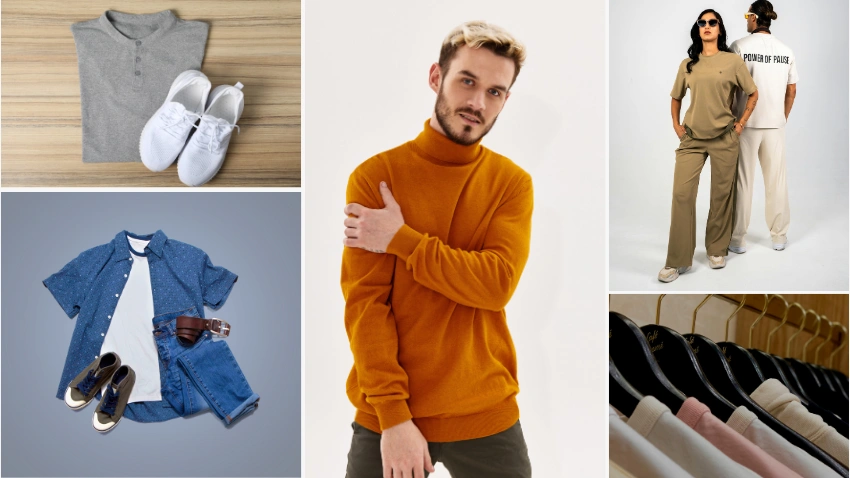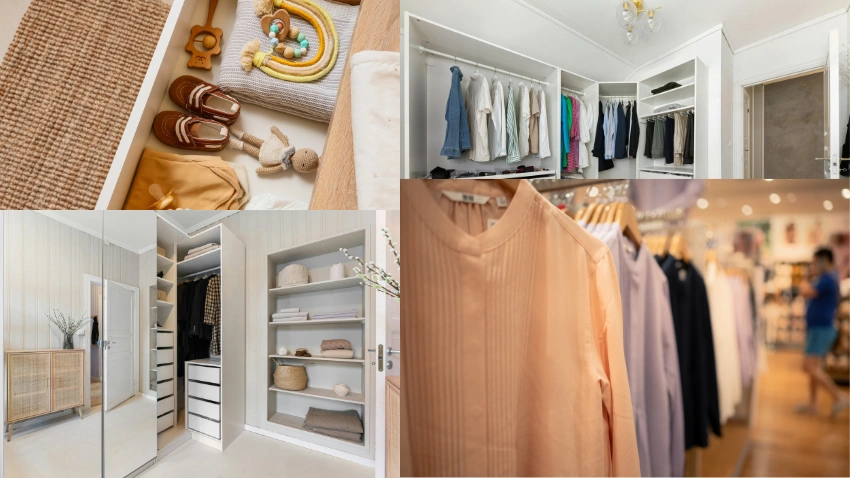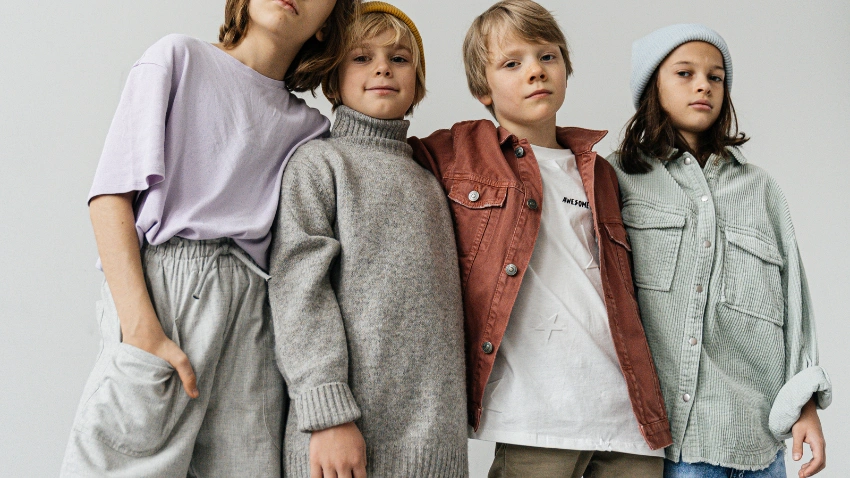
Building a useful wardrobe does not mean buying every new fashion trend you see. A better approach is to choose clothing pieces that are comfortable, versatile, and easy to combine with other items. When your wardrobe has the right essentials, creating an outfit for work, weekends, travel, dinners, or everyday activities becomes much easier.
The best wardrobe basics can also save time and money because you can wear them in different combinations throughout the year. A few well-chosen shirts, trousers, jackets, shoes, and layering pieces can create dozens of different looks without making your closet feel overcrowded.
Whether you are starting a new wardrobe or simply trying to improve the clothes you already own, these 15 must-have clothing pieces can give you a practical foundation.
A Classic White T-Shirt
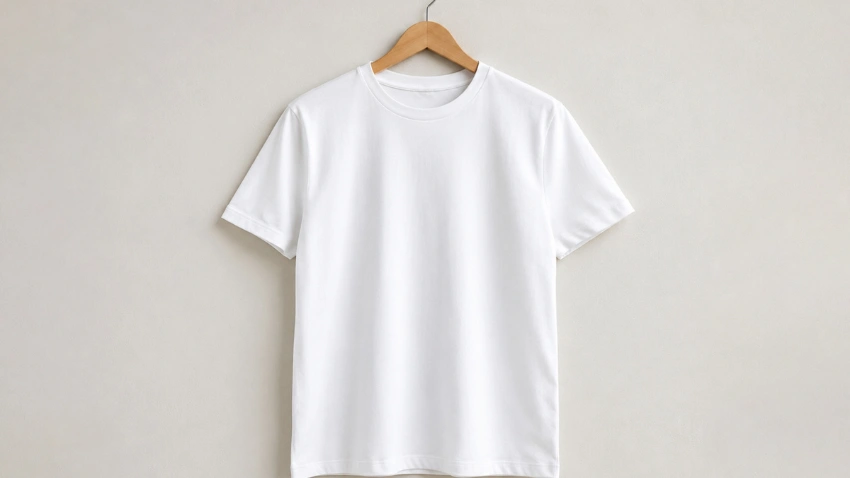
A classic white T-shirt is one of the easiest pieces to style. Its simple appearance allows it to work with jeans, chinos, shorts, casual jackets, and even some smarter trousers. It can be worn on its own during warmer weather or underneath another layer when temperatures drop.
The key is to choose a comfortable fabric and a fit that works with your personal style. A clean white T-shirt can also act as a neutral foundation when you want to build an outfit around a jacket or statement accessory.
Why it belongs in your wardrobe:
A Pair of Versatile Jeans
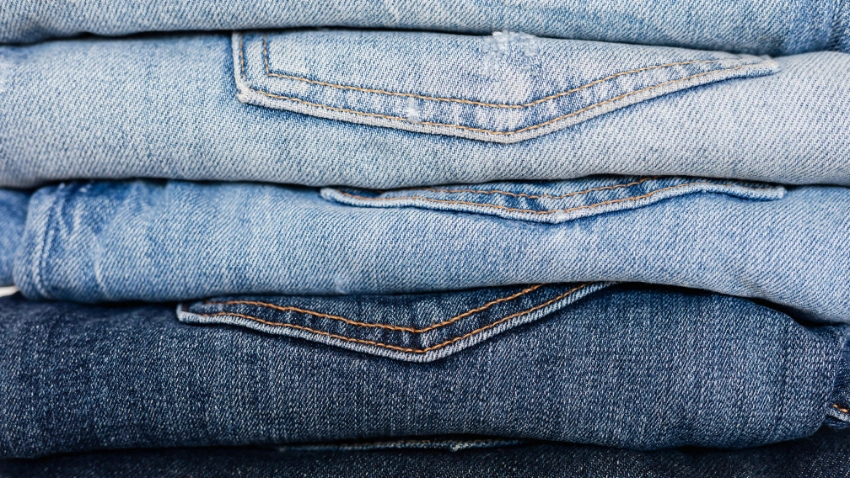
Jeans are a wardrobe staple because they can handle countless everyday situations. A well-fitting pair can be worn with almost any casual top and can easily transition between seasons.
For maximum flexibility, consider a classic blue or dark-wash pair. Straight-leg and relaxed styles can provide a contemporary appearance, while other fits may work better depending on your preference.
You can wear jeans with a simple T-shirt and sneakers for a relaxed outfit or combine them with a casual shirt and jacket when you want a more polished appearance.
A Versatile Button-Down Shirt
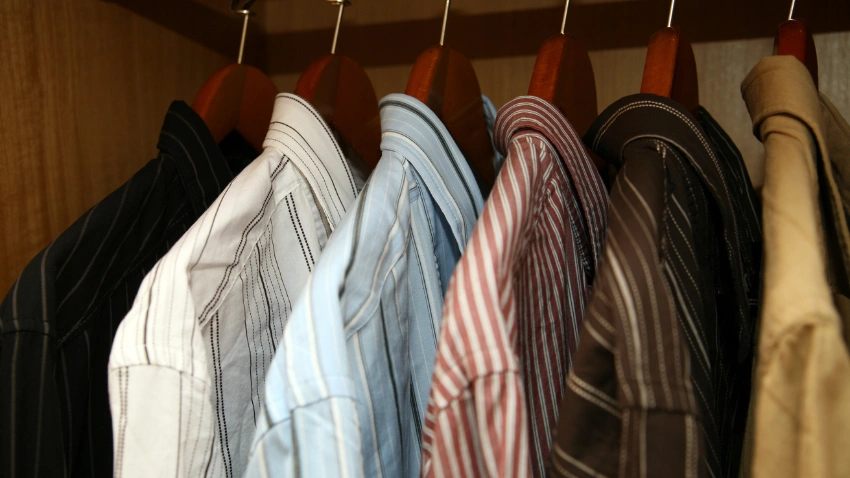
A button-down shirt can give your wardrobe more flexibility than a collection of casual T-shirts alone. Depending on the material and design, it can be worn for casual outings, dinners, meetings, or other occasions where you want to look slightly more polished.
White, light blue, gray, and subtle patterns are easy starting points. You can wear the shirt tucked in, left untucked, or open over a T-shirt.
Comfortable Chinos
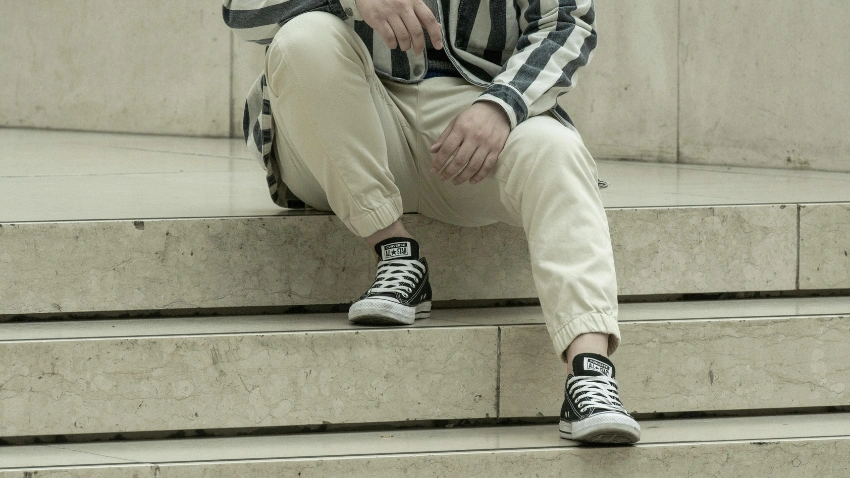
Chinos offer a useful alternative to both jeans and formal trousers. They are comfortable enough for everyday activities but polished enough for smart-casual occasions.
Beige, khaki, navy, olive, and charcoal are particularly versatile options. You can combine them with T-shirts and sneakers for a relaxed outfit or add a button-down shirt and cleaner footwear for a more refined look.
Jeans vs. Chinos
| Feature | Jeans | Chinos |
|---|---|---|
| Style | Casual | Smart casual |
| Best for | Everyday wear | Casual dinners and outings |
| Common colors | Blue, black, gray | Beige, navy, olive, khaki |
| Easy pairing | T-shirts and jackets | Shirts, T-shirts, sweaters |
| Seasonal use | All year | All year |
Having both options gives you more flexibility when choosing what to wear.
A Lightweight Jacket
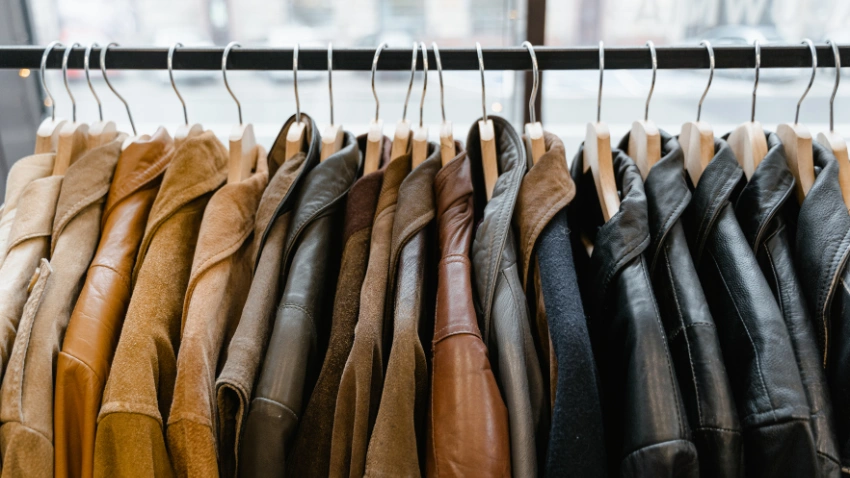
A good jacket can transform a basic outfit and provide an extra layer when the weather changes. You do not need several styles to start with. One versatile jacket that works with most of your wardrobe can be enough.
A denim jacket offers a classic casual appearance, while a bomber or utility jacket can give your outfit a more contemporary feel. Choose a color that complements your existing jeans, chinos, and shirts.
A Comfortable Everyday Sweater
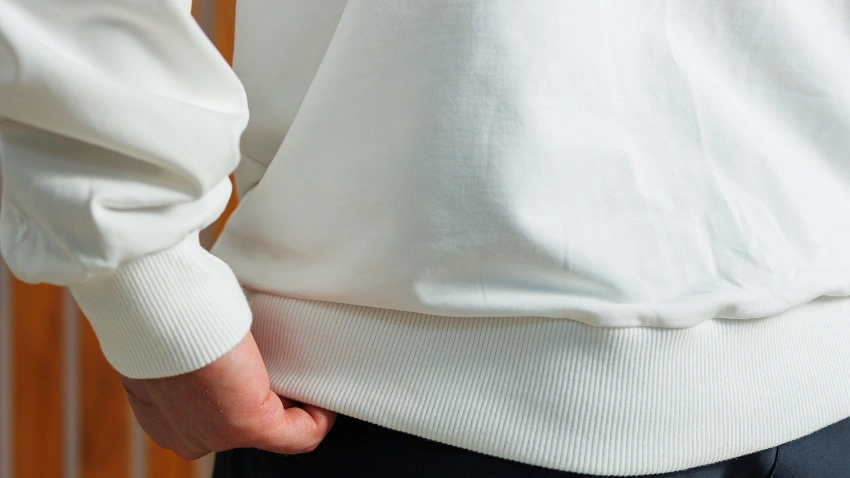
A sweater is useful when you want warmth without wearing a heavy coat. It can also add texture and depth to an otherwise simple outfit.
Neutral sweaters in gray, navy, beige, cream, or brown are especially easy to style. Wear one over a button-down shirt for a smart appearance or combine it with jeans for a relaxed weekend outfit.
A Reliable Pair of Sneakers
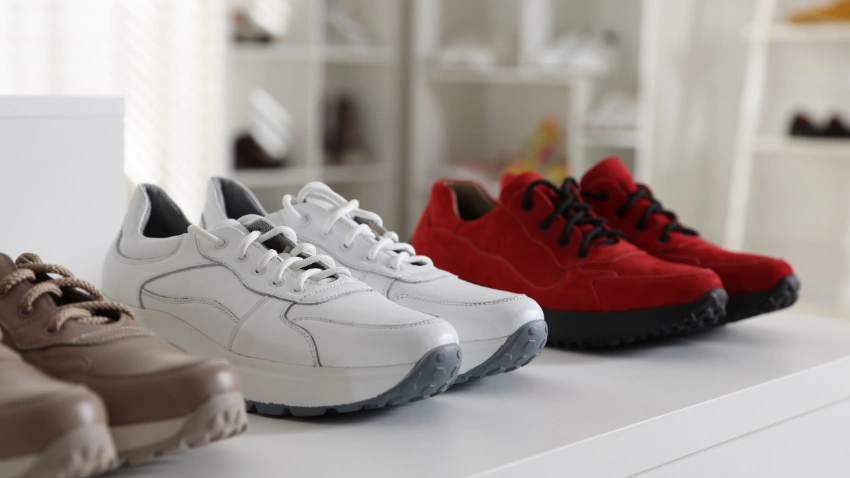
Every wardrobe needs footwear that can handle everyday activities while still looking good. Sneakers are one of the most practical options because they work with jeans, chinos, shorts, and many casual outfits.
A clean white pair is highly versatile, but black, gray, and neutral sneakers can also work well. Focus on comfort as well as appearance, especially if you spend a lot of time walking.
When choosing everyday sneakers, consider:
A Little Black Dress or Simple Versatile Dress
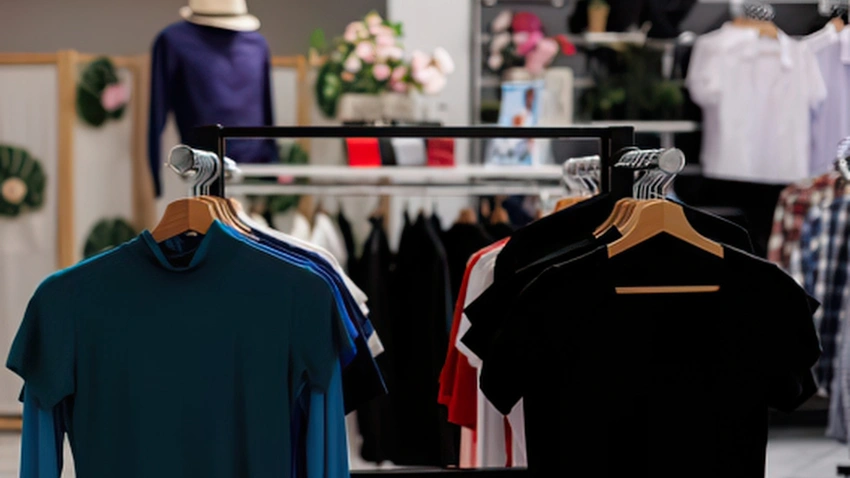
A simple versatile dress can be an extremely useful wardrobe piece. It can be styled differently depending on the occasion, season, and accessories.
A minimalist design in black, navy, beige, or another neutral shade can work for dinners, social occasions, casual events, and more polished settings. Changing the shoes, jacket, jewelry, or bag can create a completely different appearance.
The best choice is one that feels comfortable and fits naturally rather than something that only works for one specific event.
A Lightweight Cardigan
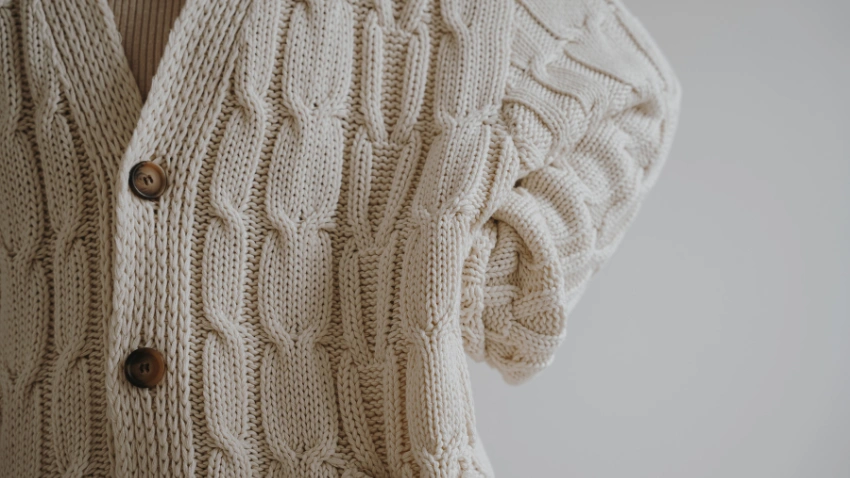
A lightweight cardigan is a practical layering piece that can add warmth without making an outfit feel too heavy. It works well during transitional weather and can easily be worn over T-shirts, button-down shirts, dresses, or other everyday tops.
Neutral shades such as gray, navy, beige, cream, and black are especially versatile. A simple cardigan can make a casual outfit look more polished while still keeping it comfortable and relaxed.
A Neutral Blazer
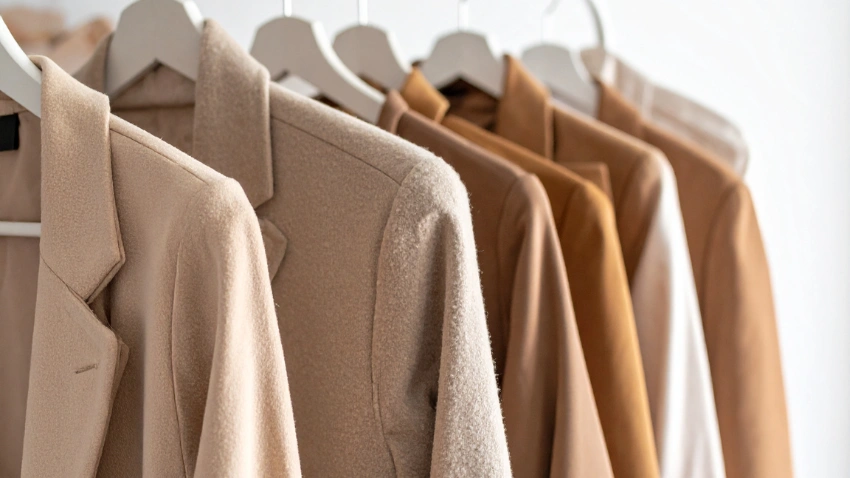
A blazer is useful when you need to make a casual outfit look more polished. Unlike a full formal suit jacket, a versatile casual blazer can be worn with jeans, chinos, dresses, skirts, and other everyday clothing.
Navy, black, gray, and beige are good choices because they can work with many different colors. You can wear a blazer over a T-shirt for a modern smart-casual look or combine it with a button-down shirt for a more traditional appearance.
Comfortable Everyday Trousers
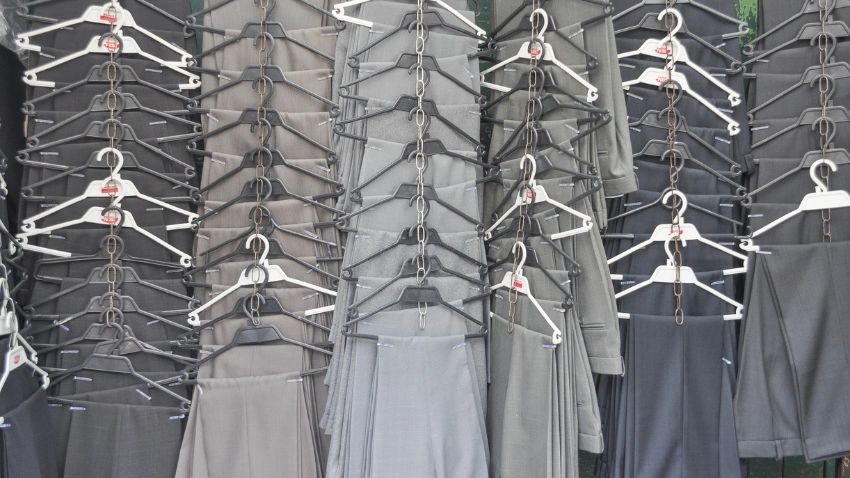
While jeans and chinos cover many situations, a comfortable pair of everyday trousers can provide another useful option. Relaxed trousers, tailored casual pants, or lightweight trousers can add variety without becoming overly formal.
Look for a pair that gives you enough room to move while maintaining a clean silhouette. Neutral colors make them easier to combine with the rest of your wardrobe.
For example, a pair of charcoal trousers can work with a white T-shirt, sweater, casual shirt, or lightweight jacket.
A Versatile Casual Jacket or Overshirt
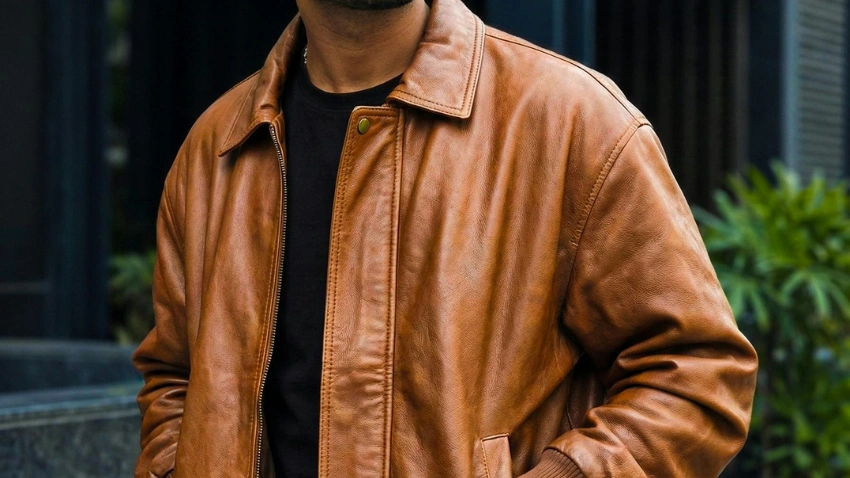
An overshirt sits somewhere between a shirt and a jacket, making it particularly useful for layering. It can be worn over a T-shirt during mild weather or underneath a heavier coat when temperatures fall.
Denim, cotton, flannel, and other durable fabrics can all work well. Neutral shades such as olive, beige, navy, and gray make an overshirt easier to combine with different outfits.
A Comfortable Pair of Boots
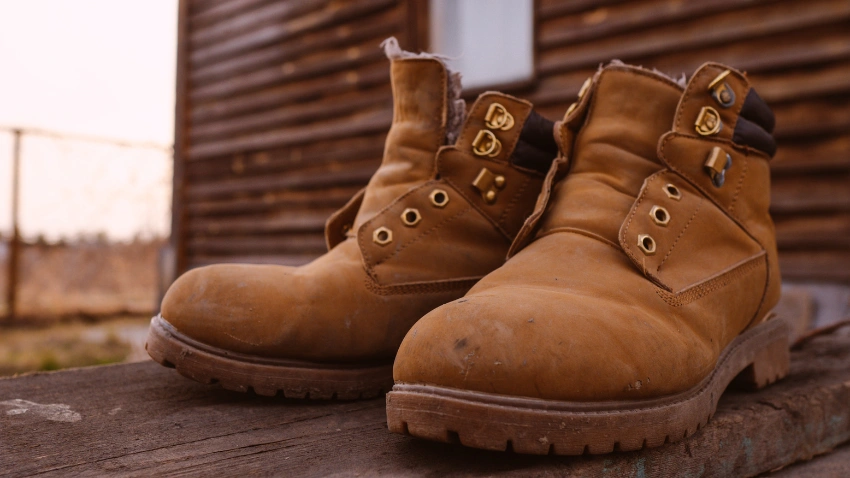
Sneakers are excellent for everyday use, but a reliable pair of boots can give your wardrobe another level of versatility. Boots can work particularly well during cooler months and can add structure to casual outfits.
Simple leather or suede designs can be paired with jeans, chinos, casual trousers, and heavier jackets. Choose a style that matches your everyday needs rather than buying a pair that only works with formal outfits.
A Weather-Appropriate Outer Layer
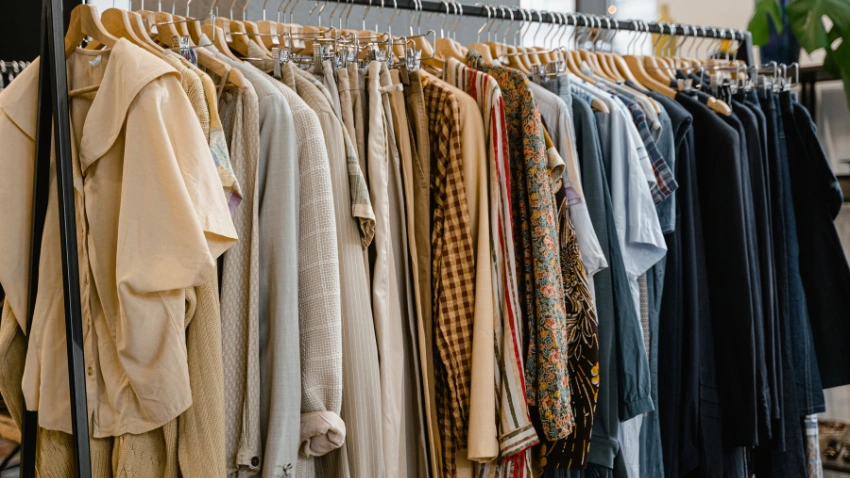
A practical outer layer is essential for dealing with changing weather. Depending on where you live, this could mean a rain jacket, trench coat, wool coat, parka, or lightweight insulated jacket.
The most useful option is one that protects you from the conditions you regularly experience while still fitting your personal style. A neutral-colored outer layer can also work with more of your existing wardrobe.
Consider these factors before choosing one:
A Simple Everyday Bag
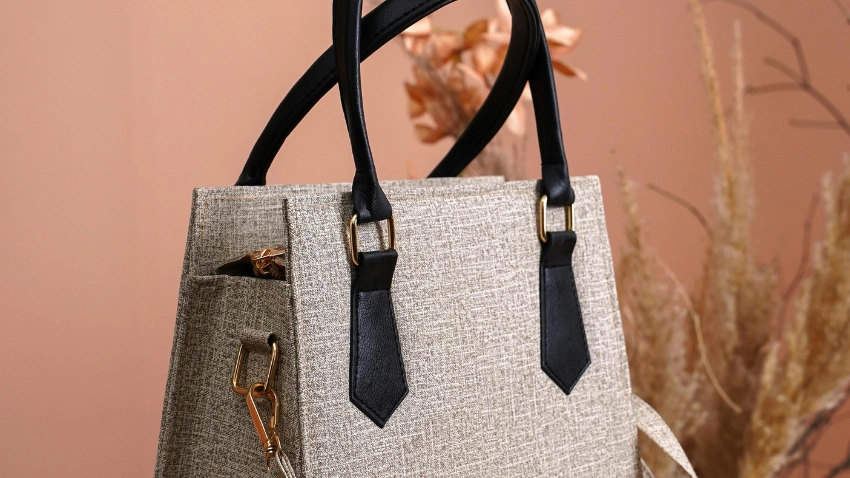
A useful wardrobe is not complete without a practical bag. The right bag can carry your daily essentials while also becoming part of your overall outfit.
A backpack can be useful for work, school, or travel, while a crossbody or shoulder bag may be more convenient for lighter everyday use. Choose a design that matches your lifestyle and wardrobe rather than focusing only on appearance.
How to Build a Wardrobe Around These Essentials
Having the right clothing pieces is only the beginning. The real advantage comes from choosing items that work together. If most of your wardrobe uses complementary colors and simple designs, you will have far more combinations available.
For example, a white T-shirt can work with jeans, chinos, skirts, or casual trousers. A blazer can be added when you need a smarter appearance, while a jacket or overshirt can create a more relaxed layered outfit.
Instead of thinking about individual pieces, think about complete combinations. Before purchasing something new, consider whether it can be worn with at least two or three things you already own.
Wardrobe Essentials at a Glance
| Clothing Piece | Main Purpose | Easy Pairing |
|---|---|---|
| White T-shirt | Everyday basic | Jeans + sneakers |
| Jeans | Casual foundation | T-shirt + jacket |
| Button-down shirt | Polished casual | Chinos + shoes |
| Chinos | Smart casual | Shirt + sneakers |
| Lightweight jacket | Layering | T-shirt + jeans |
| Sweater | Warmth and layering | Jeans + boots |
| Sneakers | Everyday footwear | Jeans + chinos |
| Versatile dress | Multiple occasions | Jacket + simple shoes |
| Casual skirt | Everyday variety | T-shirt + sneakers |
| Blazer | Smart casual | T-shirt + trousers |
| Casual trousers | Alternative to jeans | Shirt + sneakers |
| Overshirt | Easy layering | T-shirt + chinos |
| Boots | Cooler weather | Jeans + jacket |
| Outer layer | Weather protection | Everyday outfits |
| Everyday bag | Practical storage | Casual outfits |
How Many Clothes Do You Really Need?
There is no perfect number of clothing items that everyone should own. Your ideal wardrobe depends on your lifestyle, work requirements, climate, personal preferences, and how frequently you do laundry.
Someone who works from home may need fewer formal pieces, while someone who attends meetings regularly may require more shirts, trousers, and smart-casual options. Similarly, people living in colder climates may need more outerwear and layering pieces.
The goal should not be to own as little as possible. Instead, focus on having enough useful clothing to cover your normal activities without filling your wardrobe with items you rarely wear.
Tips for Choosing Better Wardrobe Essentials
When shopping for wardrobe basics, it can be tempting to focus entirely on price or current trends. However, versatility and comfort often provide more long-term value.
A simple piece that you can wear every week is usually more useful than something that only works for one occasion. Pay attention to the fabric, construction, fit, and how easily the item can be combined with your existing clothing.
Keep these tips in mind:
A great wardrobe is not necessarily the biggest one. It is the one that gives you practical options for the situations you regularly experience. The 15 must-have clothing pieces covered here provide a strong foundation because they can be mixed, matched, layered, and adapted to different seasons and occasions.
Start with versatile basics such as a white T-shirt, jeans, chinos, a button-down shirt, comfortable sneakers, and a reliable jacket. Then add pieces such as sweaters, blazers, boots, dresses, skirts, trousers, and practical outerwear according to your personal needs.
The most important thing is to choose clothing that you will actually wear. Focus on versatility, comfort, fit, and quality rather than simply following trends. With the right essentials, even a relatively simple wardrobe can provide plenty of stylish and practical outfit combinations. approach, even simple everyday clothes can create a modern, polished, and effortlessly stylish look.
FAQs About Wardrobe Essentials
The most useful starting pieces include a basic T-shirt, jeans, button-down shirt, chinos, versatile jacket, sweater, sneakers, and weather-appropriate outerwear. From there, you can add items based on your lifestyle.
Start with versatile neutrals such as white, black, gray, navy, beige, cream, and olive. These shades are easy to mix and match and can form the foundation of many outfits.
They can be, especially when better construction and materials provide greater comfort and durability. However, expensive does not automatically mean better. Focus on quality, fit, and how often you will use the item.
Choose clothing that can be worn in multiple combinations. Neutral colors, simple designs, and layering pieces can dramatically increase the number of outfits you can create from a relatively small collection.
There is no fixed schedule. Replace clothing when it becomes worn out, uncomfortable, damaged, or no longer fits properly. Well-maintained quality pieces can remain useful for years.
Not necessarily. Your wardrobe should reflect your lifestyle. If you rarely attend formal events, a versatile blazer and smart trousers may be more useful than a large collection of formal clothing.
Share This Article