Building a stylish wardrobe from scratch can feel overwhelming, especially when you don’t know which pieces to buy first. You don’t need a closet packed with expensive clothes or every new fashion trend to dress well. A strong wardrobe starts with stylish men’s clothing that fits your lifestyle, works well together, and makes getting dressed easier.
The best approach is to build your wardrobe gradually. Start with versatile basics, choose colors that are easy to combine, pay attention to fit, and then add jackets, footwear, accessories, and statement pieces as your personal style develops. This prevents unnecessary shopping and gives every item a clear purpose.
Whether you’re starting with an almost empty closet or rebuilding your current wardrobe, the goal is simple: create a collection of clothes that makes you feel comfortable, confident, and ready for different occasions.
Start With Your Lifestyle and Daily Needs
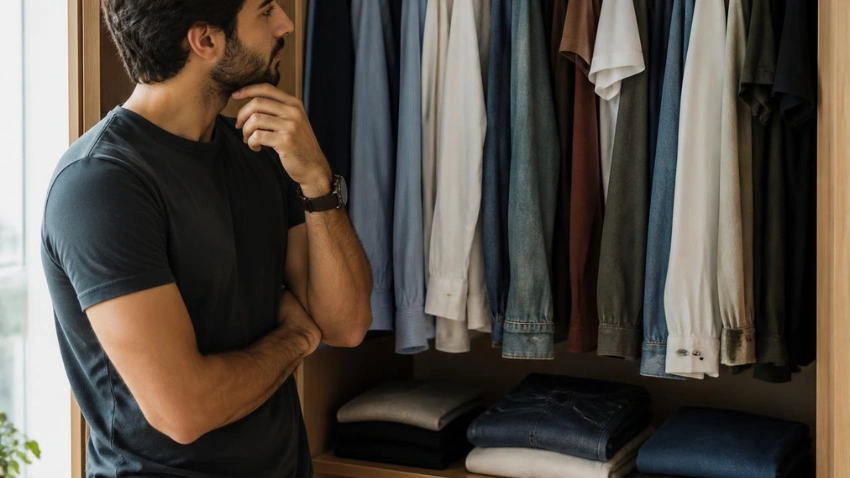
Before buying anything, think about how you actually spend your time. Your wardrobe should support your real lifestyle instead of copying someone else’s closet. Consider your work environment, social activities, weekends, travel, hobbies, and the climate where you live.
Someone who works in an office may need more button-down shirts, trousers, and smart shoes, while someone working from home may rely more heavily on T-shirts, jeans, and comfortable casual clothing. Understanding these differences helps you spend your money on clothes you will genuinely use.
| Lifestyle Area | Useful Clothing |
| Work | Shirts, trousers, blazer |
| Everyday | T-shirts, jeans, sneakers |
| Social Events | Polo shirts, smart trousers |
| Formal Occasions | Suit, dress shirt, dress shoes |
| Weekend | Casual jackets, denim |
| Cold Weather | Sweaters, coats, layers |
The more accurately your wardrobe reflects your daily life, the easier it becomes to decide what belongs in it.
Define Your Personal Style
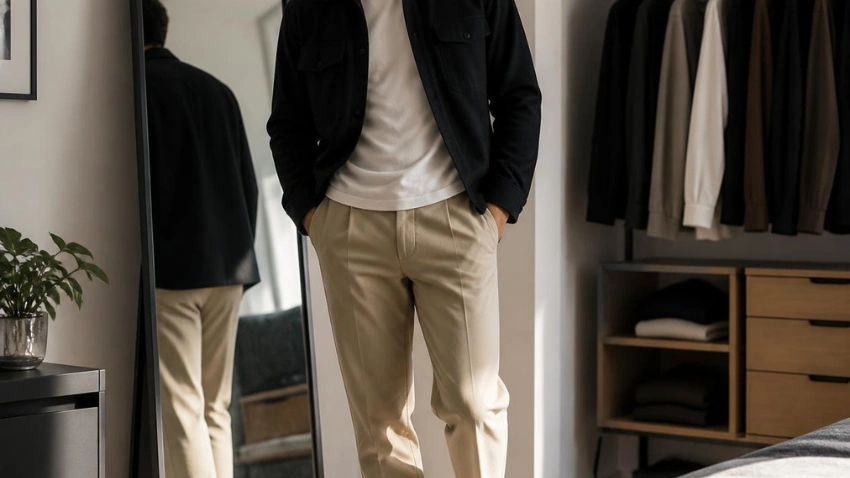
Once you understand your lifestyle, think about how you actually want to look. Your style could be classic, modern, minimalist, smart-casual, streetwear-inspired, rugged, or a mixture of several different influences.
Look at outfits you genuinely like rather than simply saving images because they are fashionable. Notice the patterns. Maybe you prefer relaxed trousers, clean sneakers, neutral colors, structured jackets, or simple shirts. These repeated preferences can help you develop a consistent style.
Ask yourself:
You don’t have to choose one style forever. Your wardrobe can evolve as your lifestyle and preferences change.
Build a Foundation With Versatile Basics
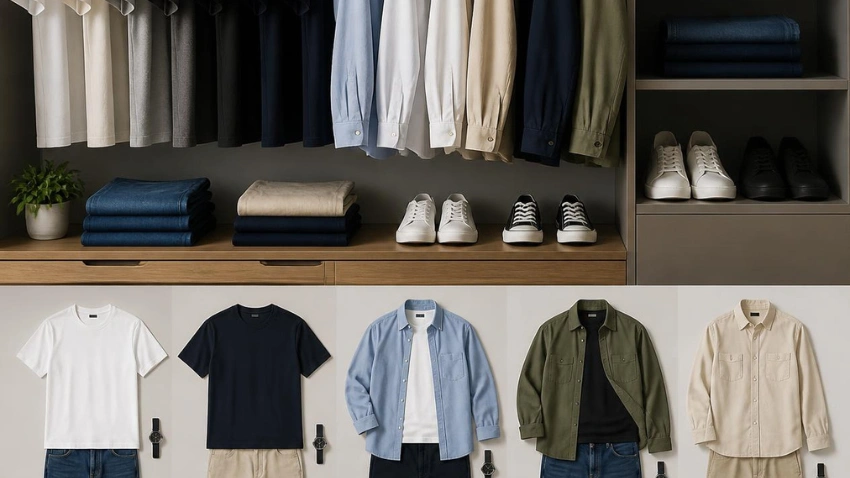
The first clothing you buy should be easy to combine with everything else. Plain T-shirts, reliable jeans, chinos, simple shirts, and comfortable sneakers can create a large number of outfits without requiring a huge wardrobe.
Start with colors that naturally work together. White, black, navy, gray, cream, beige, and denim are useful foundations, but you can include brighter colors if they fit your personality.
Focus on fit and quality rather than quantity. A few pieces that look and feel good will be much more useful than a closet full of clothes you rarely reach for.
A Simple Starting Foundation
T-Shirts: White, black, gray, or navy
Jeans: One well-fitting dark or medium wash
Trousers: Chinos or casual tailored trousers
Shirts: White or light blue button-down
Shoes: Clean everyday sneakers
Layer: One versatile casual jacket
This gives you enough variety to start creating outfits while leaving room to develop your style.
Choose a Color Palette That Works Together
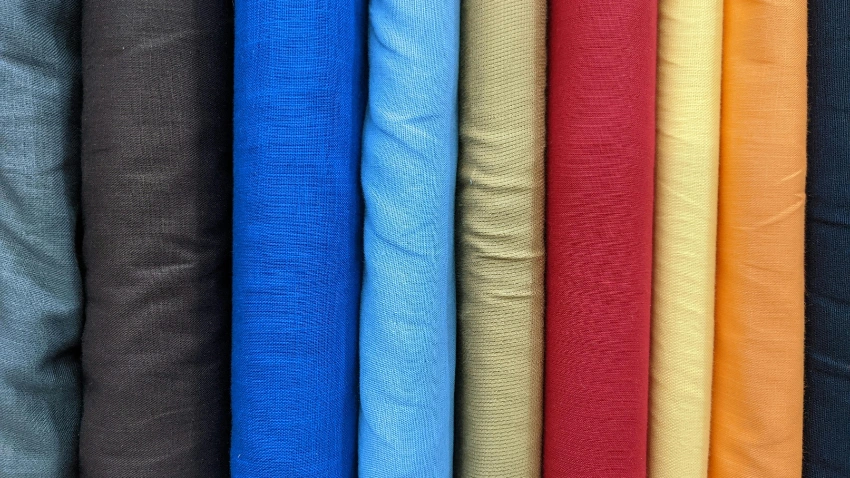
A simple color palette can make a wardrobe feel much more organized. When your clothes share compatible colors, you can combine more pieces without spending time wondering whether an outfit works.
You don’t need to wear only neutral colors. Instead, choose two or three main colors, a few supporting neutrals, and perhaps one or two accent shades that add personality.
| Wardrobe Role | Example Colors |
| Main Neutral | Navy |
| Light Neutral | Cream |
| Dark Neutral | Charcoal |
| Earthy Shade | Olive |
| Cold Weather | Burgundy |
For example, navy trousers can work with white, cream, gray, olive, or burgundy. This flexibility means one pair of trousers can become part of several different outfits.
The purpose of a color palette isn’t to make your wardrobe boring. It simply makes your clothing easier to mix and match.
Prioritize Fit Over Brand Names
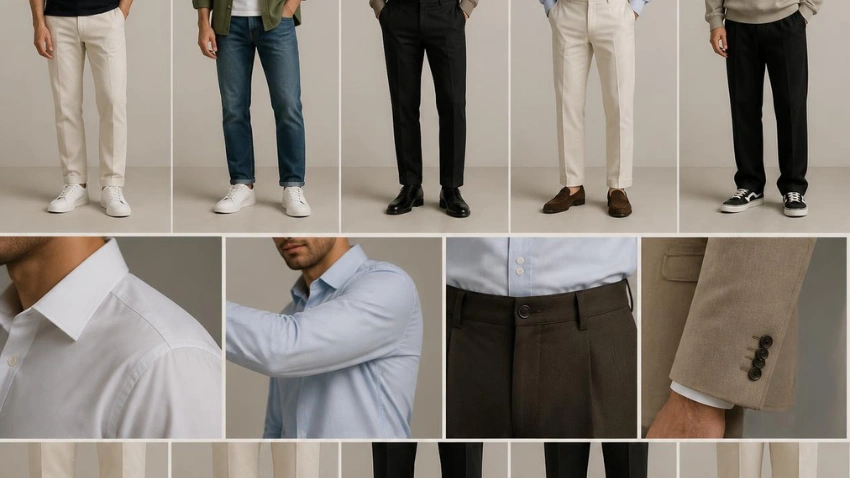
Fit is one of the most important factors in creating a stylish wardrobe. A simple, affordable shirt that fits correctly can often look better than an expensive designer piece with poor proportions.
Pay attention to the shoulders, sleeve length, trouser length, waist, and overall shape of each garment. Clothing should allow comfortable movement without looking excessively tight or unnecessarily oversized.
You don’t have to follow one particular silhouette. Relaxed, straight, slim, and oversized clothing can all look stylish when the proportions are intentional.
Quick Fit Checklist:
If a good piece is slightly too long or loose, simple tailoring can sometimes make a major difference.
Add Shirts, Knitwear, and Smart-Casual Pieces
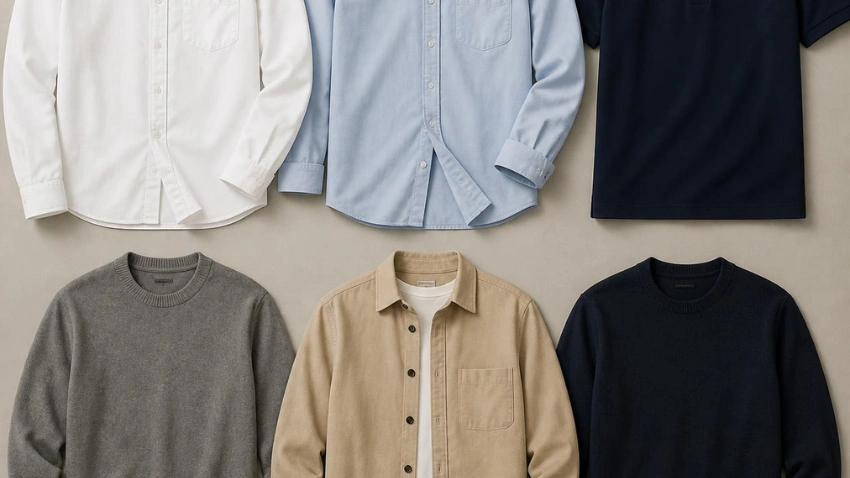
Once your basic T-shirts, jeans, and trousers are covered, start adding pieces that can make your outfits more polished. A button-down shirt, sweater, polo, or overshirt can instantly create more variety without requiring completely different outfits.
A white or light-blue button-down is an excellent starting point. You can wear it with jeans for a relaxed look or tuck it into chinos for something more refined. A crew-neck sweater can be layered over the shirt during cooler weather, while a polo offers a comfortable alternative when a T-shirt feels too casual.
Useful Smart-Casual Pieces
Button-down shirt — polished and versatile
Polo shirt — relaxed but refined
Crew-neck sweater — comfortable layering piece
Overshirt — casual outer layer
Fine-knit sweater — clean and sophisticated
Choose pieces that work with clothing you already own rather than buying items that only create one specific outfit.
Invest in Versatile Jackets and Outerwear
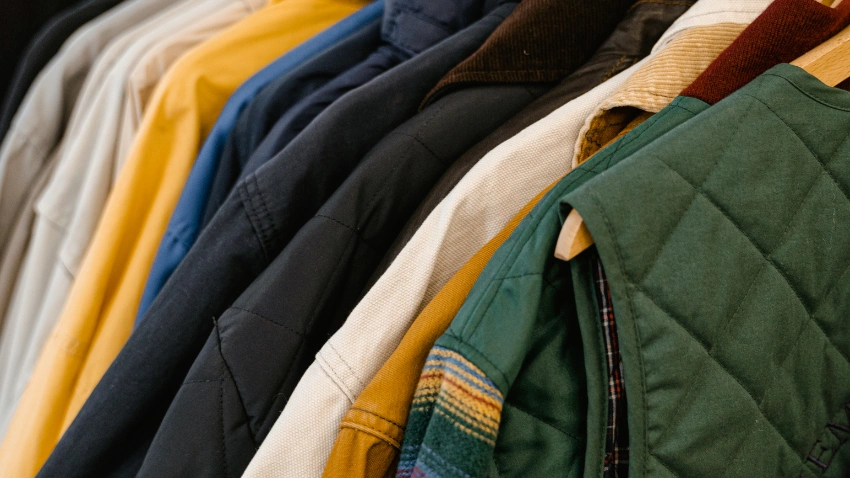
A good jacket can transform a basic outfit and give your wardrobe more depth. If you’re starting from scratch, you don’t need several different styles immediately. Choose one jacket that works with most of your existing clothes and can be worn across different seasons and occasions.
A bomber jacket can give a modern casual look, while a denim jacket offers a more classic and relaxed appearance. A chore jacket is useful for everyday outfits, while a wool coat can make your look more polished during colder weather. The best choice depends on your personal style and the climate where you live.
When choosing outerwear, focus on fit, comfort, and practicality. Think about how easily the jacket works with your jeans, trousers, shirts, and sweaters. A versatile outer layer that you wear regularly is much more valuable than several jackets that rarely leave your closet.
Build a Practical Shoe Collection
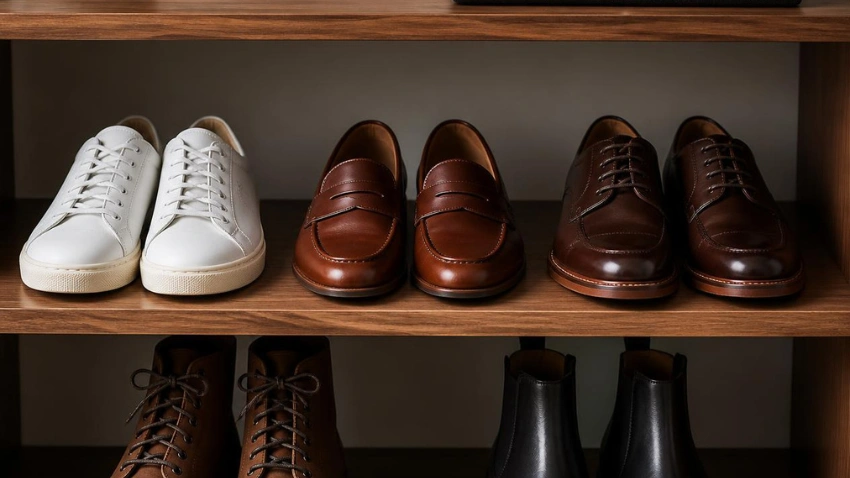
Shoes can have a major effect on the overall appearance of an outfit, but you don’t need a large collection to cover most situations. Start with a comfortable pair of clean sneakers that can work with jeans, chinos, casual trousers, and everyday outfits.
Once you have reliable everyday footwear, consider adding a smarter option such as loafers, derbies, or simple leather shoes. Boots can also be useful if you live in a colder climate or prefer a more rugged style. Choose shoes based on the occasions you actually experience rather than buying every style available.
Most importantly, make sure your shoes are comfortable and easy to maintain. A smaller collection of well-fitting footwear that you regularly wear is more useful than a closet full of shoes that don’t suit your lifestyle.
Add a Blazer for Polished Outfits
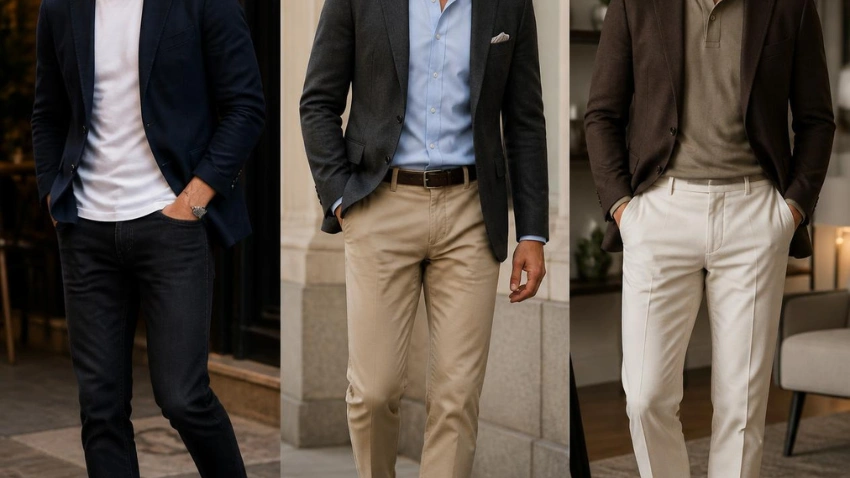
A blazer gives your wardrobe another level of versatility. It can make a simple outfit feel more polished without requiring you to wear a complete suit.
A navy, charcoal, or brown blazer is usually easy to combine with other clothing. Try wearing it with dark jeans and a T-shirt for a relaxed dinner, or pair it with chinos and a button-down for a smarter occasion.
Easy Blazer Combinations:
Blazer + T-shirt + dark jeans + loafers
Blazer + button-down + chinos + leather shoes
Blazer + polo + tailored trousers + loafers
An unstructured blazer can be particularly useful because it feels less formal and works naturally with casual clothing.
Use Accessories to Add Personality
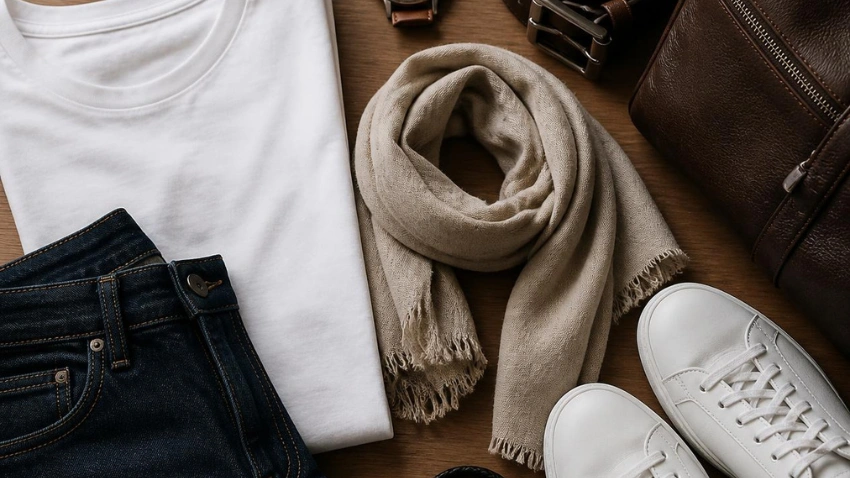
Once the main wardrobe is established, accessories can make simple outfits feel more individual. A watch, belt, sunglasses, bag, scarf, or subtle jewelry can add character without requiring you to buy more clothing.
The key is balance. You don’t need to wear several accessories at once. One or two well-chosen details can often be enough to finish an outfit.
For example, a white T-shirt, dark jeans, and sneakers can look completely different when paired with a leather belt and watch compared with a casual bag and statement sneakers.
Accessories are also an inexpensive way to experiment with your style. You can change the overall feeling of an outfit without replacing the main pieces.
Shop Slowly and Build Your Wardrobe in Stages
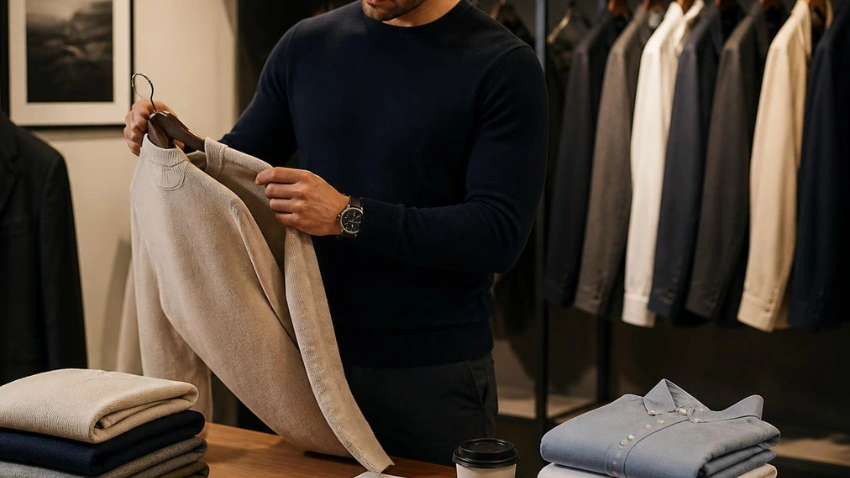
Trying to complete your entire wardrobe in one shopping trip can easily lead to unnecessary purchases. You may buy clothes that look good on their own but don’t work with anything else you already own, or end up with several similar pieces that you rarely wear.
Instead, build your wardrobe gradually. Start with the clothes you need most often and then add new pieces when you notice a genuine gap. This gives you time to understand your style and prevents you from spending money on items you don’t really need.
Before buying something, think about how often you’ll wear it and whether it can work with several outfits. If you can only imagine wearing it once or twice, it may not be the right addition to your wardrobe.
Create Outfit Formulas You Can Repeat
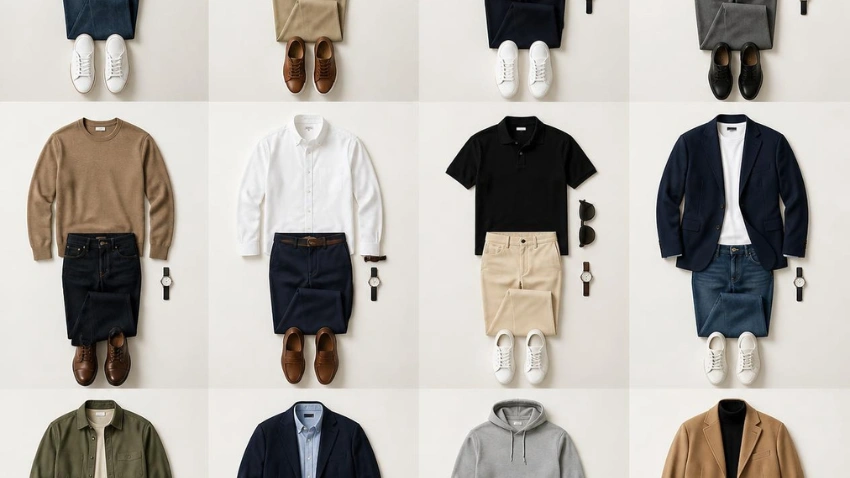
Once you have a good selection of clothing, creating a few simple outfit combinations can make getting dressed much easier. You don’t have to create a completely different outfit every day when you already know which pieces work well together.
For example, a T-shirt with jeans and sneakers can create an easy everyday look, while a button-down shirt with chinos and loafers can work for a smarter occasion. You can change the colors, shoes, or jacket to make the same basic combination feel different.
The goal isn’t to wear exactly the same outfit every day. Instead, these simple combinations give you a reliable starting point and help you create more outfits from the clothes you already own.
A Simple Stylish Wardrobe Checklist
Use this as a starting point rather than a strict shopping list.
| Category | Starting Pieces |
| T-Shirts | White, black, gray |
| Jeans | One versatile pair |
| Trousers | Chinos or casual trousers |
| Shirts | White or light blue |
| Jacket | One versatile style |
| Sneakers | Clean everyday pair |
| Smart Shoes | Loafers or derbies |
| Outerwear | One suitable coat |
You don’t need to own everything immediately. Your lifestyle, climate, budget, and personal preferences should determine how quickly your wardrobe grows.
Learning how to build a stylish men’s wardrobe is less about buying more clothes and more about making smarter choices. Start with versatile basics, choose colors that work together, prioritize fit, and gradually add shirts, jackets, footwear, accessories, and smarter pieces as your needs develop.
You don’t need designer labels or an oversized closet to look well dressed. A collection of comfortable, well-fitting pieces that work together can create far more outfits than a wardrobe filled with random purchases.
Most importantly, give yourself time to develop your style. Pay attention to what you actually enjoy wearing, avoid buying things simply because they are trendy, and choose pieces that make you feel confident. With a thoughtful approach, you can build a wardrobe that feels stylish, practical, and completely personal.
Frequently Asked Questions
How many clothes should I buy when building a wardrobe from scratch?
There is no perfect number. Start with the clothes you need most often, such as T-shirts, jeans, trousers, shirts, sneakers, and a jacket. Add more pieces as you identify genuine gaps.
What colors should a men’s wardrobe start with?
Navy, white, black, gray, cream, beige, brown, and denim are versatile foundations. You can add colors such as olive, burgundy, or muted green to give your wardrobe more personality.
How can I make basic clothes look stylish?
Focus on fit, proportions, color combinations, and layering. Simple clothing can look polished when it fits well and is combined thoughtfully with appropriate shoes and accessories.
Should I buy expensive clothes when starting a wardrobe?
Not necessarily. Prioritize fit, quality, comfort, and versatility rather than price or brand name. Spend more on pieces you expect to wear frequently and less on items you are still experimenting with.
What should I buy first for a new wardrobe?
Start with versatile everyday pieces such as T-shirts, jeans, trousers, comfortable sneakers, and a casual jacket. Then add shirts, knitwear, smarter shoes, a blazer, and suitable outerwear.
How do I know if a clothing item is worth buying?
Ask whether it fits properly, suits your lifestyle, works with your existing clothes, and can create several different outfits. If you can only imagine wearing it once, it may not be a useful addition.
Share This Article