Travel is constantly changing as travelers look for more meaningful, flexible, affordable, and personalized experiences that allow them to enjoy their journeys in ways that match their individual interests and lifestyles. From sustainable tourism and digital travel tools to wellness getaways, local experiences, and slow travel, new trends are influencing how people choose destinations, plan itineraries, book accommodations, and spend their time while traveling. Understanding these travel trends can help you make smarter and more informed decisions, discover unique experiences, manage your travel budget more effectively, and create a trip that better matches your preferences, schedule, and expectations. By paying attention to changing travel habits, you can also find new ways to make your journey more comfortable, enjoyable, and memorable.
Whether you are planning a weekend getaway, an international vacation, a family holiday, a romantic escape, or a solo adventure, staying aware of the latest travel trends can help you prepare for your trip with greater confidence. Modern travelers have more choices than ever, from flexible booking options and technology-assisted planning to off-season destinations and personalized activities. Knowing what is becoming popular can also help you discover experiences that you might otherwise overlook while avoiding unnecessary expenses and crowded tourist spots. Here are 10 travel trends to know before your next trip to help you plan a more enjoyable, practical, and memorable travel experience.
Sustainable and Responsible Travel

Sustainable travel continues to become an important consideration for travelers who want to reduce the environmental impact of their trips while enjoying meaningful and responsible experiences. Instead of focusing only on popular attractions, many travelers are becoming more conscious about how their transportation, accommodation, food choices, shopping habits, and daily activities affect local communities, wildlife, and the natural environment. This approach encourages travelers to make thoughtful decisions that help protect natural resources, reduce pollution, and preserve cultural heritage for future generations. From choosing destinations that promote responsible tourism to exploring nature-friendly activities, sustainable travel allows people to enjoy their vacations while being more mindful of their environmental footprint. It also provides an opportunity to discover local cultures, appreciate natural landscapes, and develop a deeper connection with the places they visit.
Responsible travel can include choosing eco-friendly hotels, using public transportation, reducing unnecessary waste, supporting local businesses, and respecting local customs, traditions, and cultural practices. Travelers can also make a difference by carrying reusable water bottles, avoiding single-use plastics, conserving electricity and water in accommodations, and choosing locally produced food whenever possible. Additionally, visiting destinations during less crowded periods can help reduce pressure on popular tourist areas, protect natural attractions, and create a more comfortable experience for both visitors and local residents. Supporting local tour guides, family-owned restaurants, and small businesses can also contribute to the local economy while allowing travelers to experience authentic activities and regional traditions. By making these simple yet meaningful choices, travelers can help promote sustainable tourism, protect the environment, and make their journeys more responsible, enjoyable, and rewarding.Some simple ways to practice more responsible travel include:
Slow Travel and Longer Stays
Instead of trying to visit several destinations in a short period, more travelers are becoming interested in slow travel, a relaxed approach that focuses on quality experiences rather than rushing through a long list of places. This style of travel encourages people to spend more time in one location, explore it at a comfortable pace, and develop a better understanding of its culture, surroundings, and everyday lifestyle. Rather than moving from one city to another every few days, travelers can choose one destination as a base and gradually discover its neighborhoods, attractions, natural areas, local traditions, and hidden spots. Slow travel can make a trip feel less stressful and more meaningful while giving travelers enough time to enjoy their surroundings without constantly watching the clock or following a packed itinerary.
A longer stay allows you to explore neighborhoods, try local food, meet residents, discover lesser-known attractions, and experience everyday life rather than simply visiting major tourist attractions. It can also reduce the stress of constantly packing, checking into hotels, arranging transportation, and traveling between destinations, giving you more time to relax and enjoy your vacation. Spending several days or even weeks in one place may also help you become more familiar with local customs and discover experiences that short-term visitors often miss. Slow travel can be especially appealing for remote workers, couples, families, and travelers who want a deeper connection with their destination, as well as those who prefer relaxed schedules and meaningful experiences over busy sightseeing plans.
Wellness and Self-Care Trips

Travel is increasingly being connected with health, relaxation, and personal well-being as more travelers look for ways to make their vacations both enjoyable and restorative. Instead of focusing only on sightseeing and busy schedules, many people are choosing experiences that give them an opportunity to slow down, recharge, and take better care of themselves while exploring a new destination. Wellness travel can include spa vacations, yoga retreats, nature escapes, meditation programs, fitness holidays, healthy food experiences, and relaxing beach stays. These types of trips can provide a welcome break from demanding routines and give travelers more time to rest, enjoy peaceful surroundings, stay active, and reconnect with themselves while experiencing a different environment.
You do not necessarily need to book an expensive wellness retreat or luxury vacation to follow this trend. A simple vacation focused on rest, healthy meals, outdoor activities, quality sleep, and reduced screen time can also provide a refreshing and meaningful experience. Travelers can choose activities such as walking through nature, swimming, practicing yoga, enjoying a relaxing spa treatment, exploring peaceful outdoor locations, or simply spending quiet time away from everyday responsibilities. Even small changes to a regular vacation can create a more balanced travel experience and help you return home feeling refreshed, relaxed, and energized.
Popular wellness-focused travel activities may include:
Personalized Travel Experiences

Travelers are increasingly looking for experiences that match their individual interests, preferences, lifestyles, and travel goals rather than simply following the same itinerary recommended to everyone. Personalized travel allows people to create trips around the things they genuinely enjoy, whether that means choosing a specific destination, hotel, activity, restaurant, transportation option, or type of accommodation. Instead of spending valuable time and money on attractions that may not be appealing, travelers can build an itinerary that reflects their personality and priorities. This approach can make a vacation feel more comfortable, flexible, and meaningful while also giving travelers greater control over how they spend their time. Personalized travel can be especially useful for solo travelers, couples, families, and groups with different interests who want to create an experience that suits their specific needs.
For example, a food lover may plan a trip around local restaurants, food markets, traditional dishes, and cooking classes, while a history enthusiast may focus on museums, historical sites, heritage buildings, and cultural tours. Similarly, an outdoor enthusiast might prioritize hiking trails, beaches, national parks, or adventure activities, while someone looking for relaxation may prefer quiet resorts, scenic locations, wellness activities, and peaceful surroundings. By identifying your main interests before traveling, you can choose destinations and experiences that are more likely to make your trip enjoyable and memorable.
Creating a personalized itinerary can also help you avoid spending money on activities that do not interest you while allowing you to focus your budget on experiences that you genuinely value. Before booking flights, hotels, tours, or activities, think carefully about what you actually want to experience rather than simply copying someone else’s travel itinerary from social media or travel websites. Consider your interests, budget, available time, preferred pace, and comfort level when planning each part of your journey. A well-planned personalized itinerary can give you enough structure to stay organized while still leaving room for spontaneous discoveries and unexpected experiences along the way.
AI and Smart Travel Planning

Technology is becoming an increasingly useful part of travel planning, making it easier for travelers to research destinations, organize itineraries, compare accommodations, discover attractions, manage bookings, and keep important travel information in one place. Digital travel tools can help travelers check maps, find nearby restaurants and activities, compare transportation options, read reviews, monitor flight information, and organize reservations before and during a trip. Mobile apps and online platforms can also make it easier to access important documents, communicate while abroad, and navigate unfamiliar destinations without carrying large amounts of printed information. As technology continues to develop, travelers have more convenient ways to plan their journeys and make quick adjustments when their schedules or preferences change.
AI-powered travel tools can also help generate destination ideas and itinerary suggestions based on personal interests, available time, travel style, and budget. They can be useful for brainstorming activities, organizing daily plans, finding different travel options, and creating a starting point for a customized trip. However, travelers should still verify important information such as opening hours, transportation schedules, visa requirements, cancellation policies, accommodation details, and travel restrictions through reliable and current sources before making final decisions. Travel information can change frequently, so relying entirely on an automated recommendation without checking official sources could lead to unexpected problems during a trip. Taking a few extra minutes to confirm important details can make technology-assisted travel planning much safer and more reliable.
Smart technology can be particularly useful for organizing complicated trips because it can help bring flights, hotels, activities, maps, reservations, and daily schedules together in one planning process. Instead of keeping information across multiple notes, emails, and websites, travelers can use digital tools to organize important details and create a clearer overview of their journey. This can be especially helpful when visiting multiple destinations, coordinating family travel, managing different transportation connections, or planning activities around specific time slots. When used alongside reliable travel information and personal judgment, smart technology can save time, reduce planning stress, and help travelers create a more organized and flexible travel experience.
Off-Season and Less-Crowded Destinations
Travelers are increasingly looking beyond the busiest tourist destinations and peak travel periods as they seek quieter, more relaxed, and sometimes more affordable travel experiences. Visiting a destination during its shoulder or off-season can sometimes provide a less crowded atmosphere and may offer greater flexibility when choosing accommodations, restaurants, tours, and activities. With fewer visitors around, travelers may have more opportunities to explore popular attractions at a comfortable pace without dealing with long lines and large crowds. Depending on the destination and season, travelers may also find different pricing and availability compared with peak periods, making off-season travel an option worth considering when planning a trip around a specific budget or preferred travel style.
Less-crowded destinations can also give travelers an opportunity to discover places that receive less international attention while experiencing local culture in a more relaxed environment. Instead of visiting only the most famous attraction or major tourist city in a country, consider exploring smaller towns, regional cities, coastal communities, countryside areas, or nearby destinations that offer their own unique attractions and experiences. These locations may provide opportunities to discover local restaurants, traditional markets, scenic landscapes, cultural sites, and activities that are not always included in popular tourist itineraries. Exploring less-visited areas can also make your trip feel more personal and give you the chance to see a different side of a destination.
Before choosing an off-season trip, research the weather carefully because seasonal conditions can have a major effect on your travel experience. Some attractions, transportation services, restaurants, hotels, and local businesses may operate on reduced schedules or close temporarily outside peak travel periods. Certain outdoor activities may also be unavailable because of weather conditions, while transportation connections may be less frequent. Checking local tourism websites, accommodation information, transportation schedules, and attraction opening times before booking can help you understand what will actually be available during your visit. With careful planning and realistic expectations, traveling outside peak periods can offer a quieter and potentially more flexible way to explore a destination.
Bleisure and Work-Friendly Travel

The combination of business and leisure travel, often called bleisure travel, has become an increasingly popular way for travelers to make better use of their time and experience more of a destination while attending work-related events. Instead of returning home immediately after a business meeting, conference, training session, or professional event, a traveler may extend the trip by a few days to explore local attractions, try regional food, visit cultural sites, or simply relax and enjoy the destination. This approach can make business travel feel more balanced while allowing travelers to experience places they might not otherwise have an opportunity to visit. With thoughtful planning, bleisure travel can combine professional responsibilities with personal exploration without requiring a completely separate vacation.
Remote and hybrid work arrangements can also make it easier for some people to work from another location for a limited period, giving them an opportunity to combine their normal work schedule with travel and leisure activities. However, travelers should understand the relevant visa, tax, employer, insurance, and local work requirements before working internationally, as rules can vary significantly between countries and individual circumstances. It is also important to consider reliable internet access, time-zone differences, suitable accommodation, and a comfortable workspace when planning a work-friendly trip. Checking company policies and official government information before traveling can help ensure that working from another country does not create unexpected legal, employment, or administrative issues.When planning a work-friendly trip, consider:
Experiential and Local Travel

Many travelers want more than photographs of famous landmarks and crowded tourist attractions, as they are increasingly interested in activities that allow them to experience local culture, traditions, food, and everyday life in a more authentic and meaningful way. Instead of simply visiting well-known sights, travelers are looking for opportunities to interact with local communities, learn about regional customs, and understand how people live in the destinations they visit. This type of experiential travel can create a stronger connection with a place and make the overall journey feel more personal. It can also encourage travelers to explore areas beyond the typical tourist routes and discover unique experiences that may not be found in standard travel guides.
Examples include taking a local cooking class, visiting a traditional market, joining a cultural workshop, learning a regional craft, exploring local neighborhoods, attending cultural events, or participating in community-based experiences. Travelers might learn how traditional dishes are prepared, purchase locally made products, speak with local residents, or take part in activities that have been passed down through generations. These experiences can also provide opportunities to support small businesses, local guides, artisans, restaurants, and community organizations while helping visitors gain a better understanding of the destination. Choosing locally focused activities can make travel more interactive and give visitors memories that go beyond ordinary sightseeing.
These activities can make a trip more memorable because they give travelers an opportunity to understand the destination beyond its most famous tourist attractions and develop a deeper appreciation for its culture and people. Experiencing local traditions firsthand can often provide a different perspective than simply reading about them or taking photographs at popular landmarks. Whether it is learning a traditional recipe, exploring a neighborhood with a local guide, or discovering a regional craft, these experiences can add greater meaning and variety to a travel itinerary. By including authentic local activities in their plans, travelers can create richer memories while gaining a broader understanding of the places they visit.
Flexible Travel Planning
Travel plans do not always go exactly as expected, and unexpected situations such as flight changes, weather conditions, transportation delays, personal circumstances, health issues, or other events can affect even a carefully prepared itinerary. As a result, flexibility has become an important consideration when planning a trip, especially for travelers visiting multiple destinations or making reservations far in advance. Building some extra time into your schedule can make it easier to handle unexpected changes without disrupting the entire journey. Instead of creating a tightly packed itinerary with every minute planned, leaving some room for adjustments can help reduce stress and allow you to respond more comfortably when plans change. Flexible planning can also give travelers the freedom to discover unexpected attractions or change their activities based on weather, availability, or personal preferences.
When booking hotels, flights, tours, or activities, carefully review the cancellation, refund, and modification policies before completing your reservation. Flexible reservations can sometimes provide greater peace of mind, especially when travel plans are uncertain or when you are booking several months in advance. Pay attention to deadlines, additional fees, refund conditions, and restrictions that may apply to changes or cancellations, as policies can vary between providers. It is also useful to keep confirmation emails, booking details, and important contact information easily accessible in case you need to make changes during your trip. By choosing suitable flexible options and understanding the terms before booking, travelers can be better prepared for unexpected changes while enjoying a more comfortable and organized travel experience.
Here are a few ways to make your itinerary more flexible:
Travel With a Focus on Value
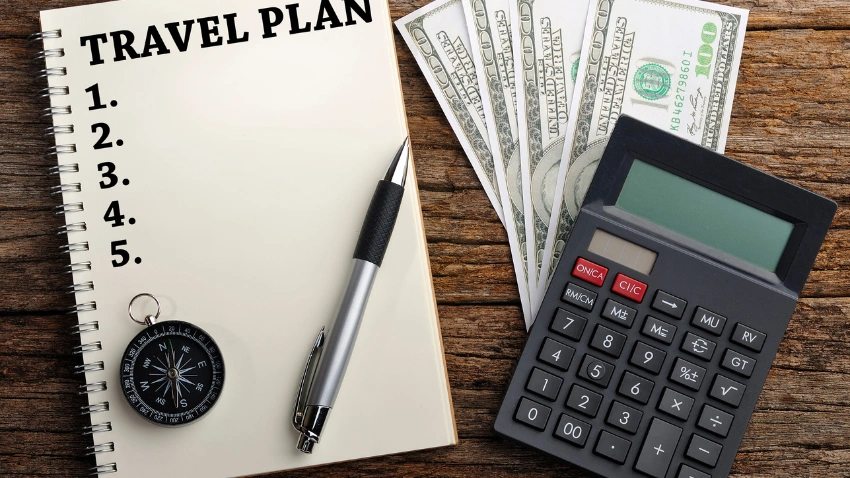
Travelers are paying closer attention to the overall value of a trip rather than simply looking for the lowest possible price, as a cheaper option does not always provide the best experience or save money in the long run. A low-cost hotel may seem attractive at first, but it may not provide good value if it is located far from major attractions and requires expensive transportation every day. Similarly, a slightly more expensive flight may be more convenient if it offers better departure times, fewer stops, shorter travel time, or more suitable baggage options. Travelers are therefore increasingly considering factors such as location, comfort, convenience, included services, travel time, flexibility, and additional fees when comparing different options. Looking at the complete cost and overall experience can help travelers make more informed decisions instead of focusing only on the initial price.
When comparing travel options, consider the total cost and overall experience.
| Travel Choice | What to Compare | Why It Matters |
|---|---|---|
| Flights | Price, baggage, timing, stopovers | Helps avoid unexpected costs |
| Hotels | Location, amenities, cancellation policy | Affects comfort and convenience |
| Transportation | Public transit, taxis, rentals | Influences daily travel costs |
| Activities | Reviews, duration, inclusions | Helps you choose worthwhile experiences |
| Food | Local restaurants, hotel meals, markets | Can significantly affect your travel budget |
| Travel insurance | Coverage, exclusions, limits | Provides protection against eligible travel problems |
Looking at the complete cost can help you create a realistic budget and avoid unexpected expenses during your trip.
How to Use These Travel Trends When Planning Your Trip
You do not need to follow every travel trend. The best approach is to choose the ideas that fit your travel style, budget, destination, and available time.
Before booking your next trip, consider asking yourself:
Answering these questions can help you build a more personalized and practical travel plan.
Travel continues to evolve as people look for experiences that are more meaningful, flexible, personalized, comfortable, and valuable. Sustainable travel, slow travel, wellness trips, personalized experiences, smart technology, off-season destinations, bleisure travel, local experiences, flexible planning, and value-focused travel are among the trends shaping how people plan their journeys and decide where, when, and how to travel. These trends reflect the growing variety of options available to modern travelers, from using technology to organize complicated itineraries to choosing quieter destinations, supporting local communities, and creating trips around personal interests. By understanding these changing travel habits, travelers can discover new ideas and find practical ways to make their vacations more enjoyable while managing their time, expectations, and budget.
The most important thing is to choose travel options that suit your own needs rather than following every trend simply because it is popular. Every traveler has different preferences, budgets, schedules, and expectations, so what works well for one person may not be suitable for another. With thoughtful planning, realistic budgeting, flexible arrangements, and an open mind, your next trip can be more comfortable, memorable, and enjoyable. Whether you prefer relaxing wellness experiences, cultural exploration, outdoor adventures, local activities, or simply spending quality time with family and friends, choosing experiences that genuinely interest you can help create a more rewarding travel experience.
Frequently Asked Questions (FAQs)
Some important travel trends include sustainable tourism, slow travel, wellness trips, personalized experiences, AI-assisted planning, off-season travel, local experiences, and flexible booking.
Slow travel means spending more time in fewer destinations instead of rushing between multiple places. It allows travelers to experience local culture and everyday life at a more relaxed pace.
You can choose public transportation when practical, stay at environmentally responsible accommodations, support local businesses, reduce waste, and respect local communities and natural environments.
AI can help travelers generate itinerary ideas, research destinations, organize activities, and compare different options. However, important travel information should be verified through reliable and current sources.
Bleisure travel combines business and leisure. It usually involves extending a business trip to spend additional time exploring the destination.
Off-season or shoulder-season travel can sometimes provide a quieter experience and greater flexibility. However, travelers should check local weather and seasonal operating schedules before booking.
Compare the total cost of flights, accommodation, transportation, food, and activities rather than focusing only on the initial price. Location, convenience, included services, and cancellation policies can also affect overall value.
Consider whether the trend fits your destination, budget, travel style, schedule, and personal interests. A travel trend should make your trip more enjoyable rather than create unnecessary costs or stress.
Share This Article