Choosing the right clothes is not simply about following the latest fashion trends. The most flattering outfits are those that fit comfortably, suit your proportions, and reflect your personal style. Understanding your body shape can make it easier to select clothing that creates a balanced and polished appearance.
The goal is not to change or hide your body. Instead, body-type styling is a useful way to understand how different cuts, fabrics, patterns, and proportions work together. With a few practical styling principles, you can build outfits that feel comfortable, confident, and appropriate for different occasions.
Understand Your Body Shape
Before choosing clothes, it can help to understand your general body proportions. Common styling categories include rectangle, triangle, inverted triangle, and hourglass. These are simply fashion guidelines, not strict rules, and many people do not fit perfectly into one category.
Your body shape can be considered by looking at the relative proportions of your shoulders, waist, and hips. Rather than focusing on measurements, pay attention to which areas are naturally broader, narrower, or more evenly proportioned.
Rectangle: Shoulders, waist, and hips have relatively similar proportions.
Triangle: The lower body is proportionally broader than the shoulders.
Inverted Triangle: The shoulders are proportionally broader than the lower body.
Hourglass: The shoulders and hips are relatively balanced with a more defined waist.
Choose Clothes Based on Proportion
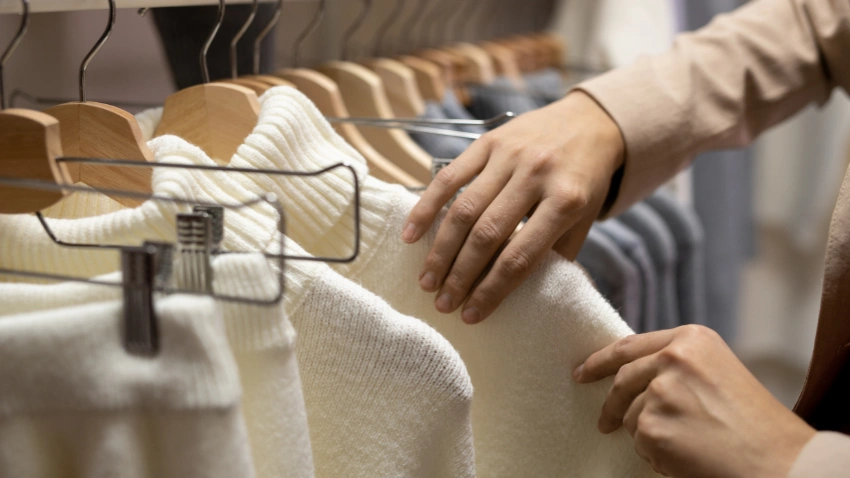
Proportion is one of the most important principles of good styling. Clothing should work together rather than making one part of an outfit appear visually disconnected from another.
For example, a fitted top can work well with relaxed trousers, while a looser shirt can be balanced with more structured bottoms. Combining different silhouettes can create a neat and intentional outfit.
Key tip: Balance fitted, relaxed, short, and long pieces to create a cohesive silhouette.
Select the Right Fit

Fit is often more important than brand, price, or trend. Clothes that are too tight can feel uncomfortable, while extremely loose clothing may make an outfit look less structured.
Look for garments that allow comfortable movement while maintaining their intended shape. Pay particular attention to shoulder seams, sleeve length, trouser length, and the way fabric sits around the body.
Key tip: Choose clothes that fit comfortably at the shoulders, waist, and hips without restricting movement.
Use Necklines to Complement Your Outfit
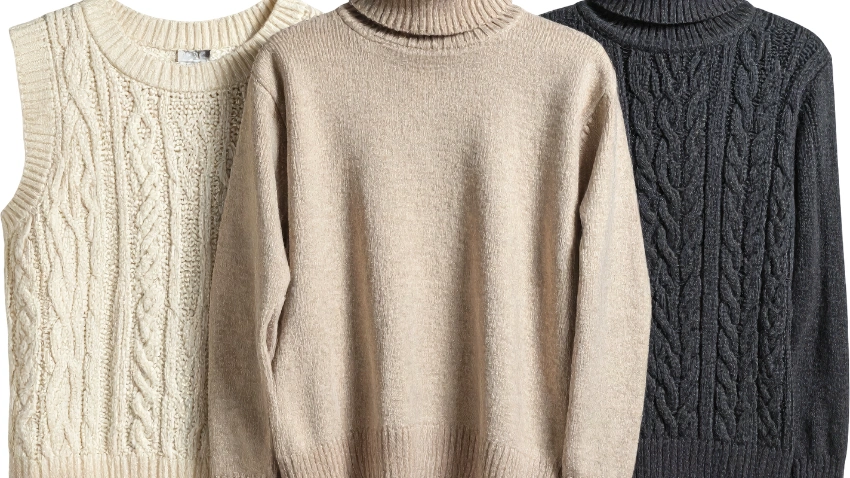
Necklines can influence the overall appearance of an outfit. Different neckline styles can create different visual effects and work particularly well with certain collars, jackets, and accessories.
V-necks, crew necks, polo collars, boat necks, and square necklines all create different silhouettes. The best choice depends on the garment, occasion, comfort, and personal preference.
Key tip: Select necklines that complement the outfit’s overall proportions and your personal style.
Choose Patterns and Prints Carefully
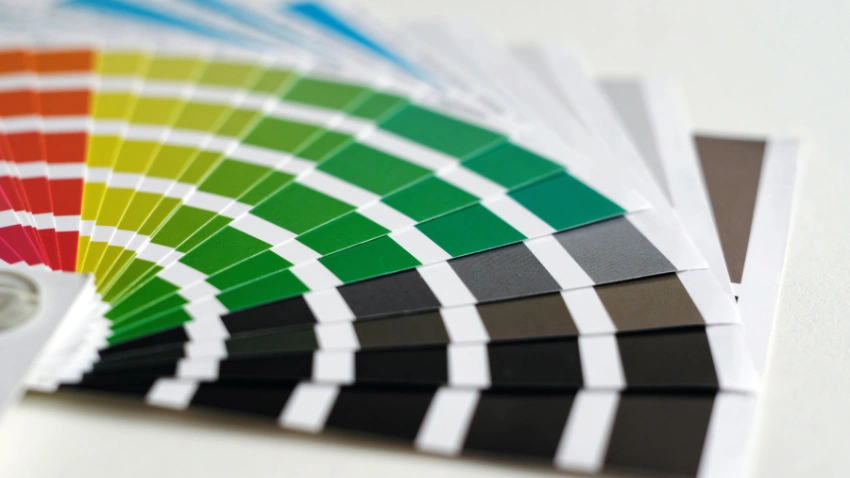
Patterns can add personality and visual interest to an outfit. Stripes, checks, florals, geometric prints, and subtle textures can all work well when coordinated with the rest of your clothing.
Large prints tend to attract more visual attention, while smaller or simpler patterns can create a more understated appearance. Mixing several strong patterns can sometimes make an outfit look busy, so balance is important.
Key tip: Pair a statement pattern with simpler pieces for a balanced look.
Understand the Role of Colors

Color is another important part of creating a well-coordinated outfit. Neutral shades such as black, white, navy, beige, grey, and brown are versatile foundations, while brighter colors can be used to add personality.
You can also use color to create visual balance. For example, combining a darker garment with a lighter piece can create contrast, while similar shades throughout an outfit can produce a more streamlined appearance.
Key tip: Build outfits around versatile colors and add brighter shades according to your personal preference.
Choose Fabrics According to the Occasion
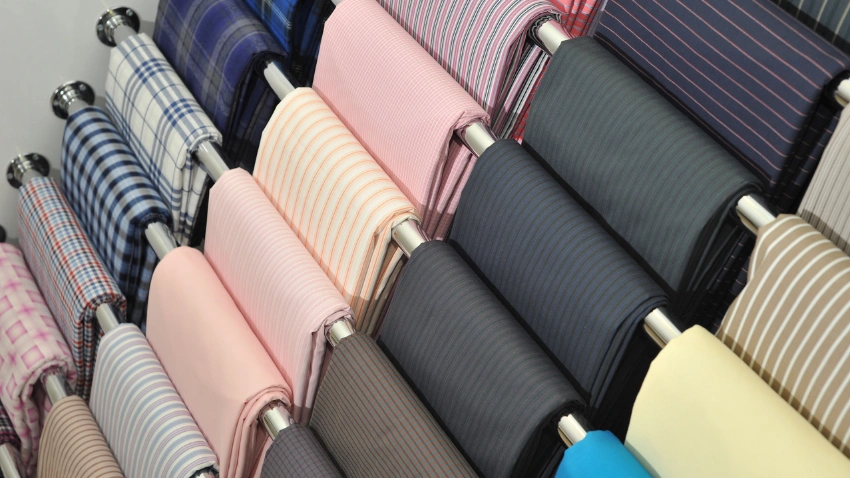
Fabric affects both comfort and appearance. Cotton, linen, denim, wool, and blended fabrics each have different textures, weights, and levels of structure.
Lightweight fabrics can be useful in warm weather, while heavier materials can provide warmth and structure during cooler seasons. For formal occasions, structured fabrics can create a polished appearance.
Key tip: Consider weather, comfort, occasion, and garment structure when selecting fabrics.
Body Type Clothing Guide
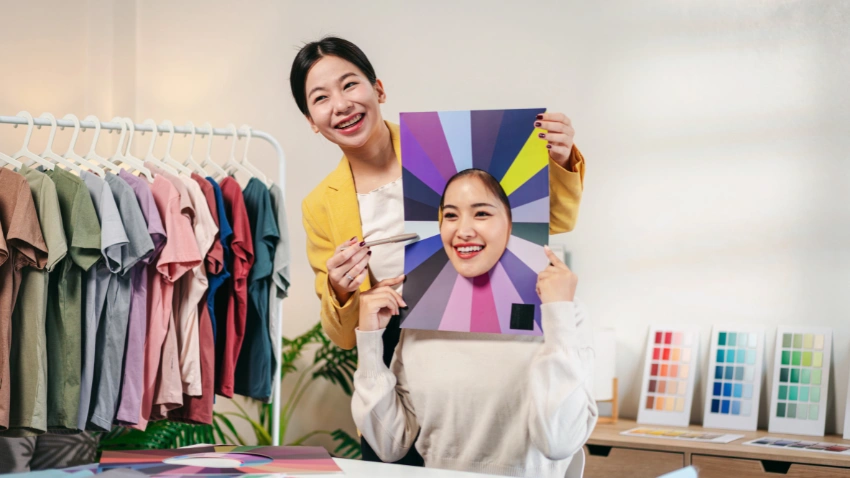
| Body Shape | Clothing Approach | Useful Choices | Styling Focus |
|---|
| Rectangle | Create visual definition through proportions | Layered tops, structured jackets, straight-leg trousers | Add dimension |
| Triangle | Balance the upper and lower parts of an outfit | Detailed tops, structured shoulders, simple bottoms | Create overall balance |
| Inverted Triangle | Balance broader shoulders with the lower half | Simple tops, straight or relaxed trousers | Add proportion below |
| Hourglass | Maintain natural balance | Well-fitted shirts, tailored trousers, balanced layers | Highlight overall proportions |
Remember that these suggestions are optional. Personal comfort, individual style, and the occasion should always come first.
Consider Your Lifestyle

The best wardrobe is one that works for your everyday life. Someone who spends most of the day at university may need comfortable casual clothing, while someone working in an office may need more formal and business-casual pieces.
Think about where you spend most of your time and choose clothing accordingly. A stylish wardrobe should also be practical enough for your daily routine.
Key tip: Build your wardrobe around the activities and occasions you actually experience.
Use Accessories to Complete the Look
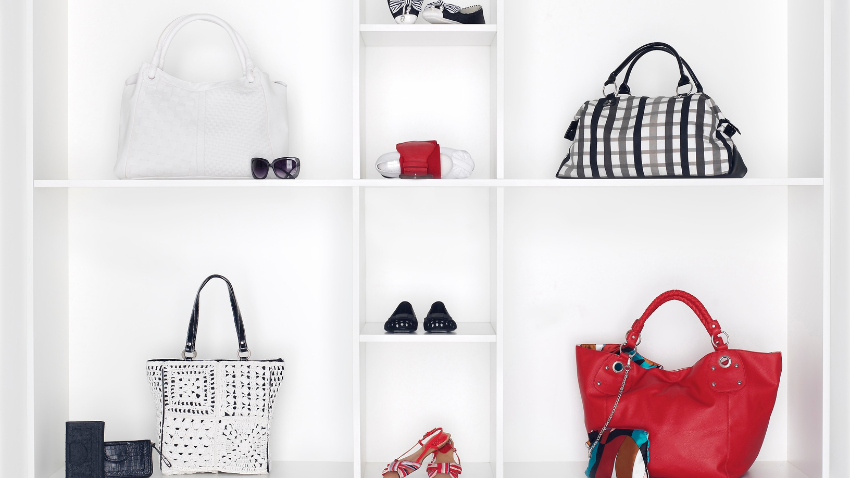
Accessories can add personality and structure to an outfit. Watches, belts, bags, scarves, caps, jewelry, and shoes can transform a simple combination into a more complete look.
The key is coordination. Accessories do not need to match perfectly, but they should complement the colors and overall style of your clothing.
Key tip: Use accessories as finishing touches rather than allowing them to overpower the outfit.
Common Clothing Mistakes to Avoid
Even a well-planned outfit can look less polished when basic styling mistakes are made. Avoiding these common issues can make dressing easier.
How to Build a Balanced Wardrobe
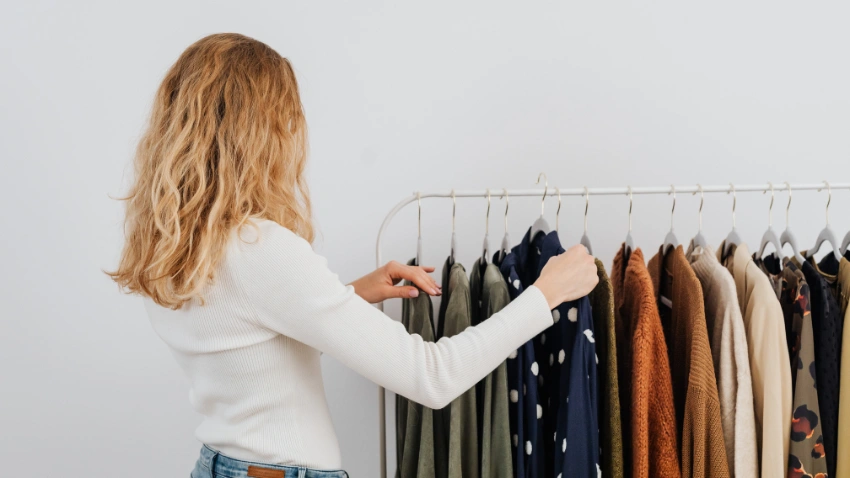
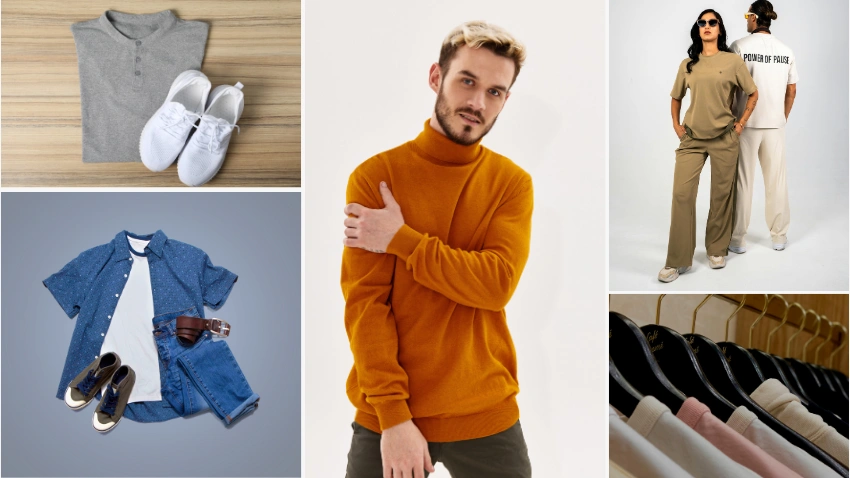
Start with versatile basics that can be combined in multiple ways. Neutral trousers, comfortable shirts, simple T-shirts, suitable jackets, and versatile footwear can form the foundation of a practical wardrobe.
Once these basics are covered, add statement pieces, seasonal clothing, patterns, and accessories. This approach allows you to create more outfits without needing an excessive number of clothes.
Choosing the right clothes for your body type is about understanding your proportions and selecting styles that make you feel comfortable and confident. Instead of following strict fashion rules, use body-shape guidelines as a helpful starting point when choosing different fits, colors, fabrics, patterns, and silhouettes.
A stylish wardrobe does not need to be large or complicated. Focus on well-fitting essentials that suit your lifestyle, then add suitable accessories and statement pieces to create variety. Most importantly, prioritize comfort, practicality, and personal style. When your clothes fit well and reflect your personality, you can create polished and confident outfits for everyday activities, work, and special occasions.
1. What is the most important factor when choosing clothes?
Fit and comfort are among the most important factors. Clothing should allow comfortable movement while creating a neat and intentional appearance.
2. How do I know which body shape I have?
Look at your overall proportions, particularly the relationship between your shoulders, waist, and hips. Remember that body-shape categories are general styling guides rather than strict classifications.
3. Should I only wear clothes recommended for my body type?
No. Body-type guidelines are optional. You can wear any style you enjoy. Comfort, confidence, occasion, and personal preference should remain important considerations.
4. Are oversized clothes suitable for every body type?
Oversized clothing can work with many different proportions. The key is to balance the outfit by combining relaxed pieces with more structured or fitted elements.
5.How can I make a simple outfit look more stylish?
Pay attention to fit, color coordination, footwear, layering, and accessories. Even a simple outfit can look polished when these elements work together.
6. What should I prioritize when shopping for clothes?
Prioritize comfort, fit, quality, versatility, and whether the item works with clothes you already own. This can help you create a more practical and long-lasting wardrobe.
Share This Article