
Personal care is not about following a complicated beauty routine or buying a large collection of products. It is about taking small, consistent steps to keep yourself clean, comfortable, and well-groomed throughout the day. A few simple habits can make everyday care feel easier and help you build a routine that fits your lifestyle.
The best personal care habits are practical enough to maintain even when your schedule is busy. From caring for your skin and hair to keeping your teeth, hands, and personal items clean, these everyday practices can help you feel fresh and more prepared for the day. You do not need to change everything at once; start with a few habits and gradually make them part of your routine.
Start Your Day With Basic Personal Hygiene
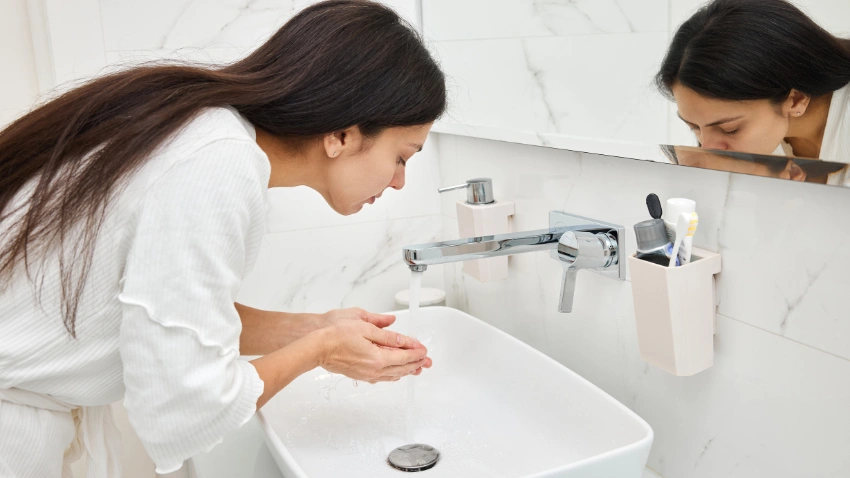
A fresh start does not need to take a long time. Washing your face, cleaning your hands, brushing your teeth, and putting on clean clothes can help you feel ready for the day. These basic habits are easy to overlook when you are rushing, but building them into your morning routine can make personal care more consistent.
Personal hygiene includes keeping your body, hair, hands, feet, and nails clean. The exact routine can depend on your activity level, climate, and personal needs. For example, someone who exercises in the morning may want to shower afterward, while someone with a less active morning may simply follow their usual washing and grooming routine. The goal is to stay clean and comfortable rather than follow an unnecessarily strict schedule.
A Simple Morning Reset:
Keep Your Skincare Routine Simple and Consistent
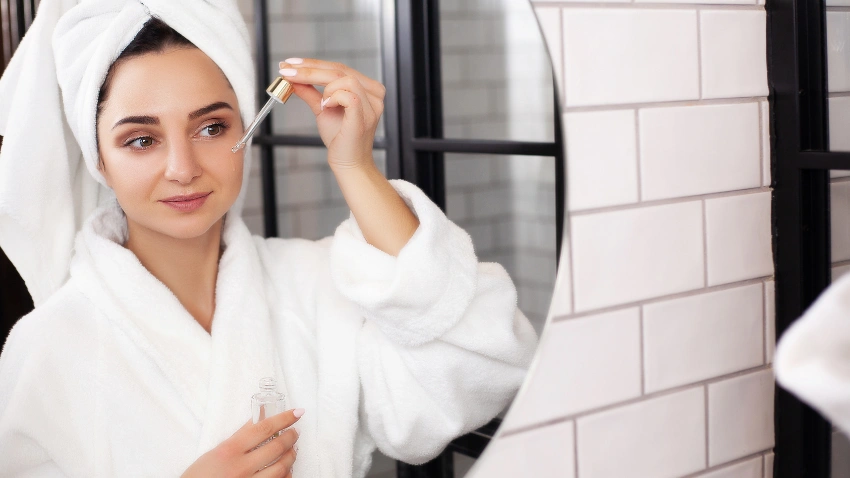
A skincare routine does not have to include many steps to be useful. For everyday care, focus on gentle cleansing, moisturizing when needed, and protecting your skin from the sun. Using too many products or frequently changing your routine can make it harder to understand what works for your skin.
Choose products based on how your skin feels and responds. If your skin is dry, a moisturizer may help reduce that tight or uncomfortable feeling. If it is oily, look for products that feel comfortable without leaving a heavy residue. Avoid harsh scrubbing, especially if your skin is sensitive or irritated, because rough treatment can make irritation worse.
When spending time outdoors, use a broad-spectrum sunscreen with SPF 30 or higher and follow its application instructions. Keep your skincare routine manageable so you can follow it consistently instead of treating it as a long daily task.
Keep the Basics Within Reach
You can build on these basics if your skin has specific needs, but a routine you can follow regularly is more practical than one that feels difficult to maintain.
Make Oral Care a Non-Negotiable Habit
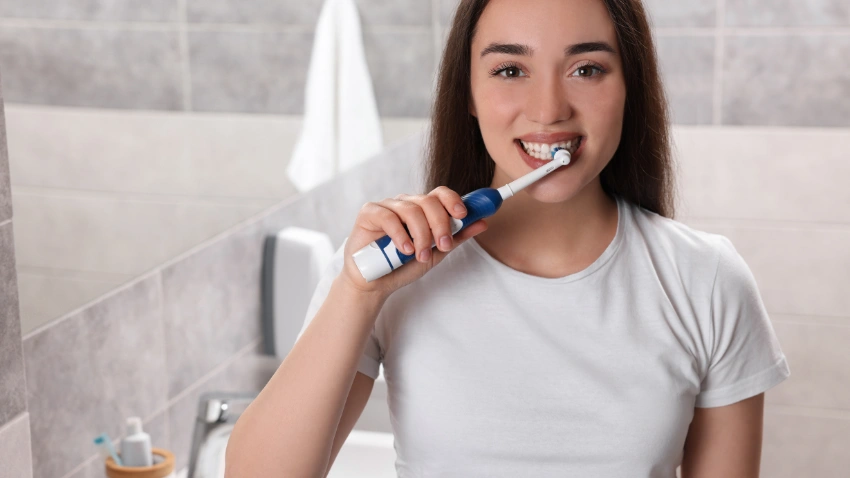
Oral care is an important part of personal grooming because it helps keep your teeth and gums clean while supporting everyday comfort. Brushing quickly or skipping it when you are tired can become a habit, so it helps to connect oral care with something you already do every morning and night.
Brush your teeth twice a day with fluoride toothpaste and clean between your teeth daily. Aim to brush for two minutes each time, making sure you reach all areas of your mouth. Regular dental visits also give you an opportunity to discuss concerns and receive care suited to your needs.
Make It Easier to Remember: Keep your toothbrush, toothpaste, and floss together in one place. If you often forget at night, complete your oral care before settling into bed rather than waiting until you are already sleepy.
Take Care of Your Hair and Scalp
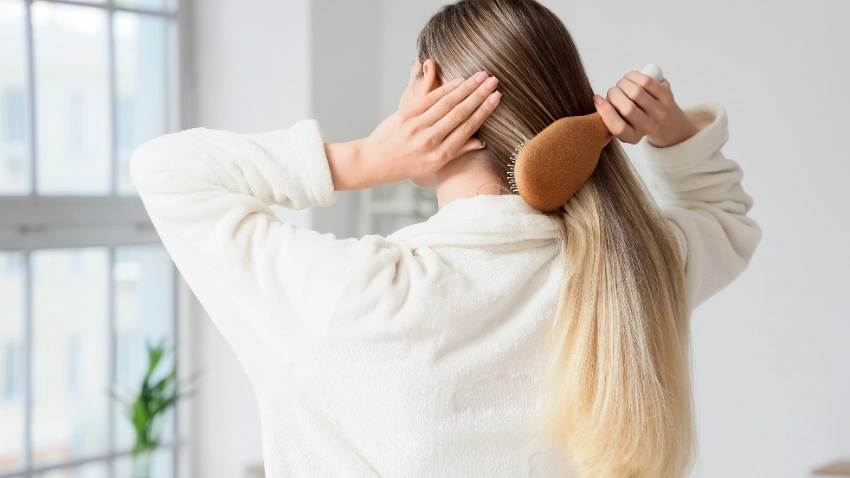
Healthy-looking hair begins with a routine that suits your hair and scalp. Some people need to wash their hair more frequently because of sweat or oil, while others can go longer between washes. Instead of copying someone else’s schedule, pay attention to how your scalp feels and how your hair responds.
Use a shampoo and conditioner that work for your hair type, and avoid using excessive heat if it leaves your hair dry or difficult to manage. Gently detangle your hair and clean your combs or brushes regularly. Avoid sharing personal grooming tools, such as combs and brushes, because some scalp conditions can spread through shared items.
A Practical Hair-Care Routine
A simple routine that keeps your scalp comfortable and your hair manageable is often easier to maintain than a long list of treatments.
Keep Your Hands and Nails Clean
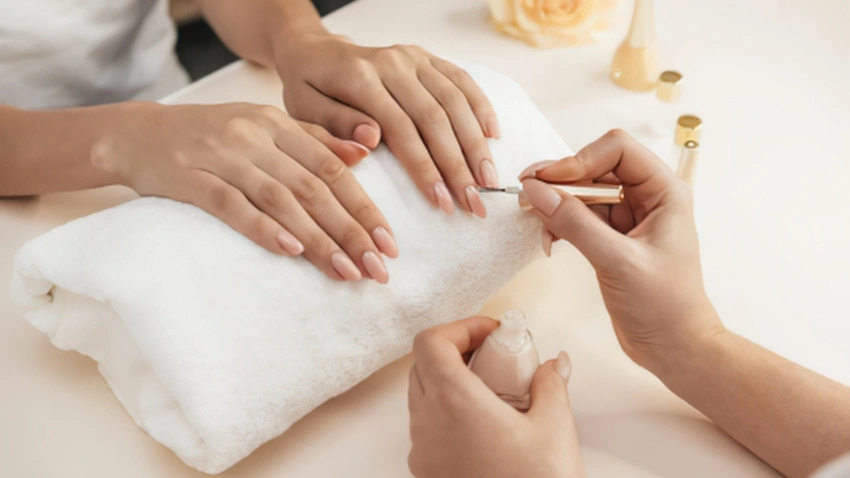
Your hands come into contact with many surfaces throughout the day, so keeping them clean is a useful everyday habit. Wash your hands with soap and clean running water at important times, such as before eating, after using the bathroom, and after handling something dirty. If soap and water are not available, an alcohol-based hand sanitizer can be useful in many situations.
Nail care is also part of basic grooming. Keep your nails clean and trimmed to a length that feels comfortable for you. If you use nail tools, keep them clean and avoid sharing them when possible. You do not need an elaborate manicure routine to keep your hands looking neat; regular cleaning and gentle care are a good starting point.
Quick Tip: Keep a small hand cream nearby if frequent washing leaves your hands feeling dry. Apply it when needed, especially after washing.
Choose Clean Clothes and Fresh Everyday Essentials
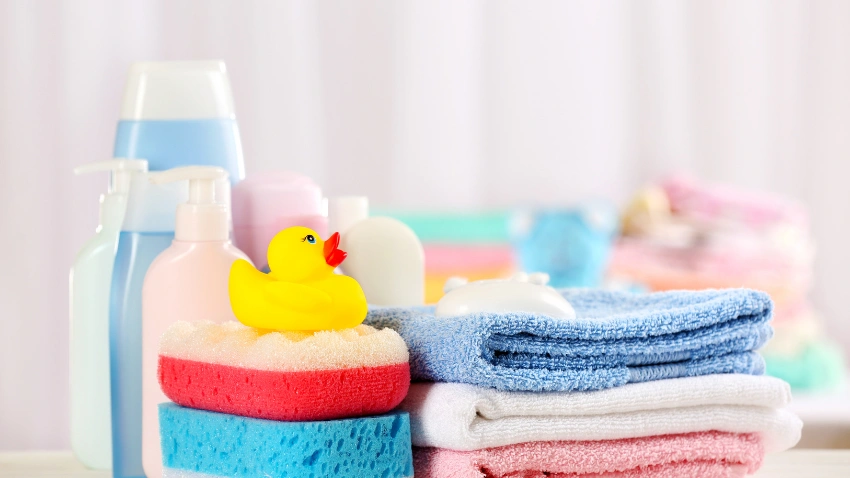
Clean clothes can help you feel comfortable and put together, even when you are wearing a simple outfit. Make it a habit to choose clothes that are appropriate for the weather and your daily activities. If you sweat during the day or exercise, changing into fresh clothing afterward can help you feel more comfortable.
Personal care also includes the small items you use regularly. Towels, pillowcases, socks, underwear, and workout clothes should be changed and washed regularly according to their use. Let towels dry properly between uses, and avoid sharing personal items such as towels, razors, or grooming tools.
Small Habits That Make a Difference
These steps are simple, but they can make your daily routine feel more organized and less rushed.
Stay Fresh by Paying Attention to Body Care
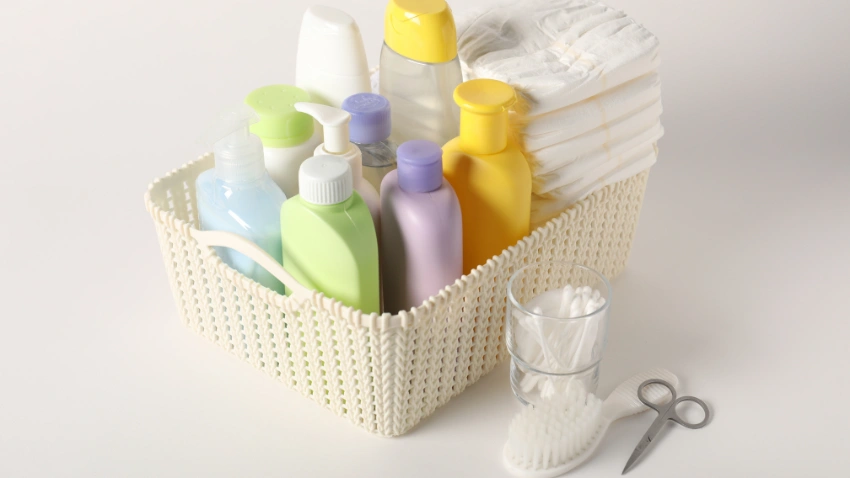
Body care is not about using strong fragrances to cover up discomfort. It begins with regular washing, wearing clean clothing, and choosing products that suit your skin and daily activities. Showering after heavy sweating can help remove sweat and dirt, while applying a deodorant or antiperspirant may help manage body odor or perspiration if you choose to use one.
Pay attention to areas that tend to become sweaty, and dry your skin thoroughly after bathing. If a product causes burning, itching, or irritation, stop using it and consider a gentler alternative. Personal care products should make you feel comfortable, not leave your skin irritated.
Keep It Practical: You do not need to use several scented products at once. A clean body, fresh clothes, and a product that works for your needs can be enough for an everyday routine.
Give Your Feet the Care They Need
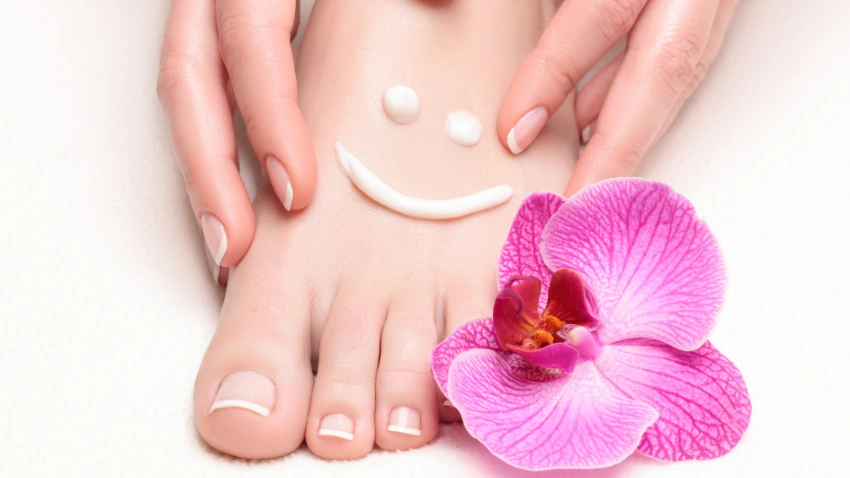
Feet are easy to forget in a daily personal care routine, especially when they spend most of the day inside shoes. Washing your feet and drying them thoroughly can help keep them clean and comfortable. Pay attention to the areas between your toes, where moisture can remain after bathing.
Wear clean socks and choose footwear that fits comfortably. If your shoes become damp from sweat or rain, allow them to dry before wearing them again. Keep toenails clean and trimmed carefully, and pay attention to any unusual changes such as persistent redness, swelling, sores, or discomfort.
Simple Foot-Care Checklist:
Keep Your Personal Care Products and Tools Clean
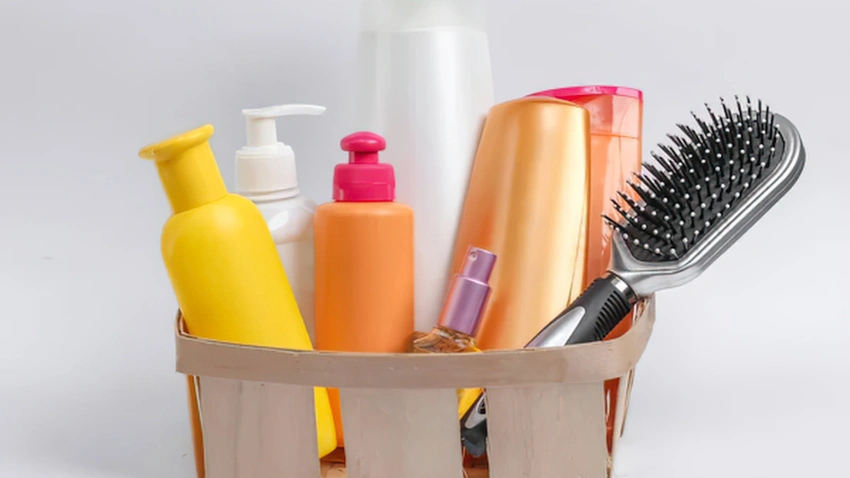
Even a good routine can become less pleasant if the products and tools you use are dirty, disorganized, or difficult to find. Make a habit of cleaning items that come into regular contact with your skin, such as makeup brushes, combs, reusable grooming tools, and washcloths. Follow the cleaning instructions for each item, and replace products or tools when they become damaged or difficult to clean.
It is also helpful to check the condition of your personal care products from time to time. Keep lids closed, store items according to their instructions, and avoid using products that have changed noticeably in smell, color, or texture. A tidy shelf or small personal care basket can make your routine easier because everything you need is in one place.
A Quick Weekly Reset
Set aside a few minutes to:
This small reset can prevent your daily routine from becoming cluttered or inconvenient.
Build a Routine You Can Actually Maintain

The most useful personal care routine is one that fits your real life. You may have more time in the morning on some days and less on others, so it helps to identify the habits that matter most to you and make them easy to repeat. Instead of trying to add every habit at once, start with two or three and build from there.
For example, you could begin by brushing your teeth consistently, washing your face gently, and preparing clean clothes the night before. Once those habits feel natural, add another step such as organizing your grooming products or setting aside time for hair care.
Remember: Personal care should support your day, not become another source of pressure. If you miss a step, simply return to your routine the next time. Consistency comes from making habits manageable, not from expecting every day to be perfect.
A Simple Daily Personal Care Routine
A routine can feel easier when you connect each habit to a particular part of the day. Use this as a flexible guide and adjust it to suit your schedule, skin, hair, and personal needs.
| Time | Personal care habit |
| Morning | Wash your face and hands, brush your teeth, and get dressed in clean clothes. |
| During the day | Wash your hands when needed and refresh after sweating or physical activity. |
| Evening | Cleanse your face, brush your teeth, and prepare clothes or essentials for tomorrow. |
| Weekly | Clean grooming tools, organize products, and wash reusable personal care items. |
You do not need to follow this exact schedule. The purpose is to make basic care easier to remember and fit naturally into your day.
Simple personal care habits can make everyday life feel cleaner, more comfortable, and more organized. You do not need a complicated routine to take care of yourself. Regular hygiene, gentle skincare, oral care, clean clothes, and a little attention to your hair, hands, nails, and feet can create a practical foundation.
Start with the habits that fit your current lifestyle, then add others as they become natural. When your routine is simple and realistic, it is easier to maintain—and personal care becomes a normal part of your day rather than another task to worry about.
Frequently Asked Questions
Basic hygiene, oral care, gentle skincare, clean clothing, and regular handwashing are useful foundations. You can add hair, nail, and foot care according to your needs and lifestyle.
Start with a few simple habits that take little time, such as brushing your teeth, washing your face, and preparing clean clothes. Add more steps gradually instead of trying to change your entire routine at once.
No. A routine can be simple. Choose products that suit your needs and focus on consistent hygiene and grooming rather than buying items you may not use.
It depends on your scalp, hair type, activity level, and personal preference. Wash regularly enough to manage oil, sweat, and buildup, and use products that work comfortably for your hair and scalp.
Use a gentle cleanser, moisturize when needed, and protect exposed skin from the sun. Avoid harsh scrubbing and choose products that suit your skin.
Connect habits to things you already do, such as brushing your teeth after waking up or washing your face before bed. Keep your essentials in an easy-to-reach place and focus on steady progress rather than perfection.
Share This Article