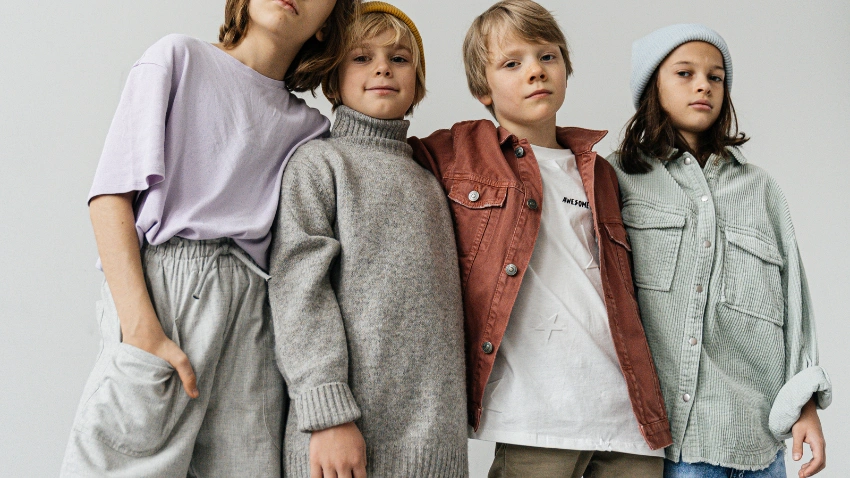
The easiest way to refresh your wardrobe this season isn’t necessarily to buy a completely new collection of clothes. Sometimes, changing the colors you wear can make your existing wardrobe feel completely different. The right shade can make a simple outfit look more polished, give your favorite basics a modern feel, and help you create combinations that look more intentional.
This season brings an exciting mix of soft neutrals, rich earthy shades, cool blues, vibrant reds, elegant greens, and expressive purples. Instead of following one strict color trend, you can choose shades that fit your personality and work naturally with the clothes you already own.
Some colors are ideal for everyday outfits, while others are better when you want to make a statement. The secret is knowing how to balance them. A strong color doesn’t always need to cover an entire outfit. Sometimes a single jacket, handbag, sweater, or pair of shoes is enough to give a familiar look a completely different feel.
If you’re wondering what colors are trending this season, which shades are easiest to wear, and how to combine them without making your outfits look too complicated, these are some of the best clothing colors to consider.
Navy Blue Is the Color to Choose for an Effortlessly Polished Look
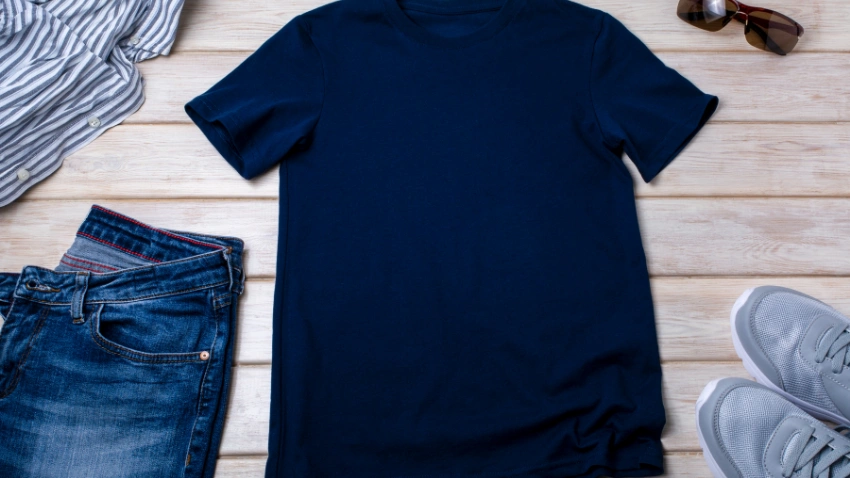
Navy blue remains one of the most dependable colors for anyone who wants clothing that looks sophisticated without feeling overly formal. It has the depth of a dark shade but feels softer than black, which makes it surprisingly versatile for both casual and dressier outfits.
A navy blazer can transform a simple white shirt and jeans into a smart-casual look. Navy trousers can be paired with cream knitwear for a refined everyday outfit, while a navy dress can work for dinner, work, or a more formal occasion. Brown shoes and accessories also work beautifully with navy because they add warmth to the overall look.
Easy navy outfit ideas:
If your wardrobe already contains plenty of neutral pieces, navy is one of the easiest colors to add because it doesn’t force you to change your existing style. It simply gives you another dark foundation to work with.
Cream and Off-White Give Everyday Outfits a Softer Finish
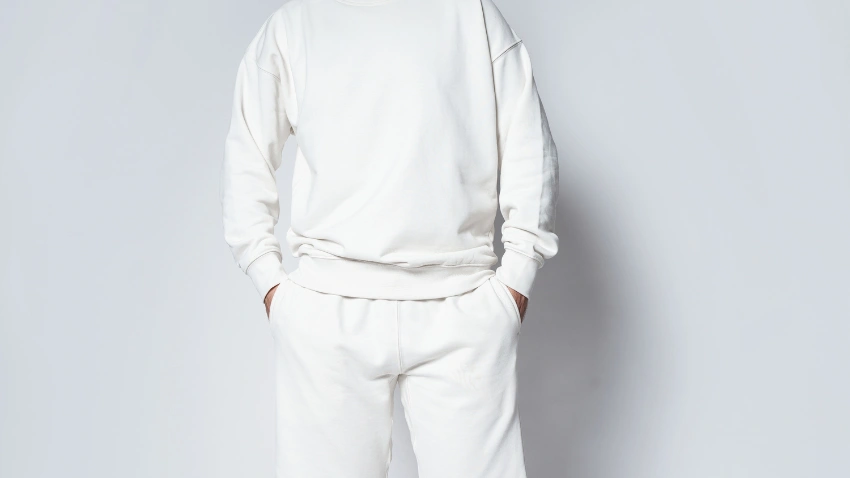
Bright white can sometimes feel very sharp, especially when used across an entire outfit. Cream, ivory, and off-white offer a softer alternative that creates a warmer and more relaxed appearance.
These shades are particularly useful if you enjoy minimalist fashion. A cream sweater with denim creates an effortless casual look, while a cream blazer can make a simple outfit appear considerably more refined.
Cream also works beautifully as a background for stronger colors. Emerald green, red, violet, and even dark brown become easier to wear when they are balanced with a softer neutral.
Instead of treating cream as a color that belongs only to warm-weather wardrobes, consider it a year-round staple. It works with light denim during summer and pairs just as well with brown, camel, navy, and olive when the weather becomes cooler.
Icy Blue Adds a Fresh Touch Without Being Too Bright
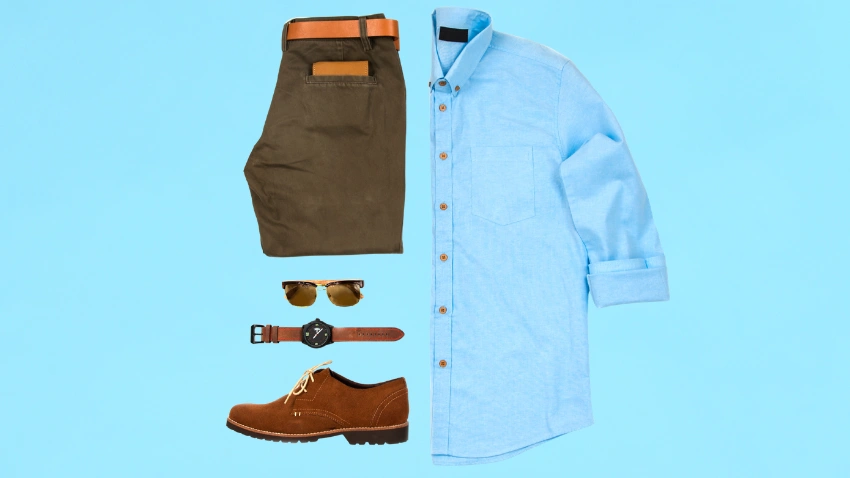
Icy blue is a great option for people who want to experiment with color without immediately moving toward very bright shades. It has a clean, modern appearance that can make an outfit feel lighter while remaining easy to style.
The shade works particularly well in shirts, dresses, skirts, lightweight sweaters, and casual jackets. It can also be introduced through accessories if you don’t want to make it the main color of your outfit.
One of the most interesting combinations to try is icy blue with chocolate brown. The coolness of blue contrasts with the warmth of brown, giving the outfit a modern appearance without making it feel overly experimental.
For a casual outfit, try an icy-blue shirt with dark denim and brown shoes. If you want something softer, an icy-blue sweater with cream trousers creates a clean and sophisticated combination.
Emerald Green Makes a Simple Outfit Feel More Luxurious
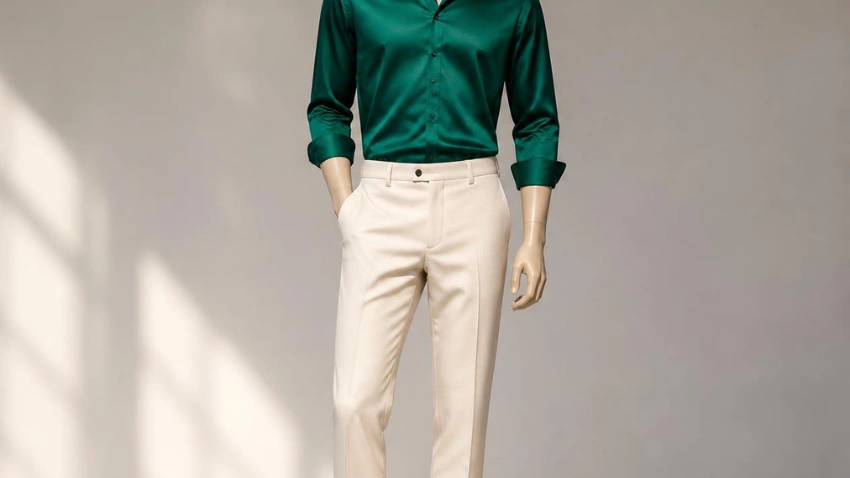
Emerald green is the type of color that can become the center of an outfit without requiring much additional styling. Its deep and rich appearance naturally attracts attention, so keeping the rest of your clothing relatively simple usually creates the best result.
An emerald dress can work beautifully for evening occasions, while an emerald sweater or blouse can add personality to a casual wardrobe. If you aren’t ready to wear a large piece in this shade, a handbag, scarf, or pair of shoes can provide a more subtle introduction.
The key is balance. Emerald already provides plenty of visual interest, so surrounding it with neutral colors often creates a polished result. Cream, navy, brown, black, and beige are all excellent choices.
For example: An emerald blouse with cream trousers creates an elegant appearance without feeling too formal. The same blouse with denim and simple neutral shoes becomes an easy weekend outfit.
Chocolate Brown Is a Stylish Alternative to Black
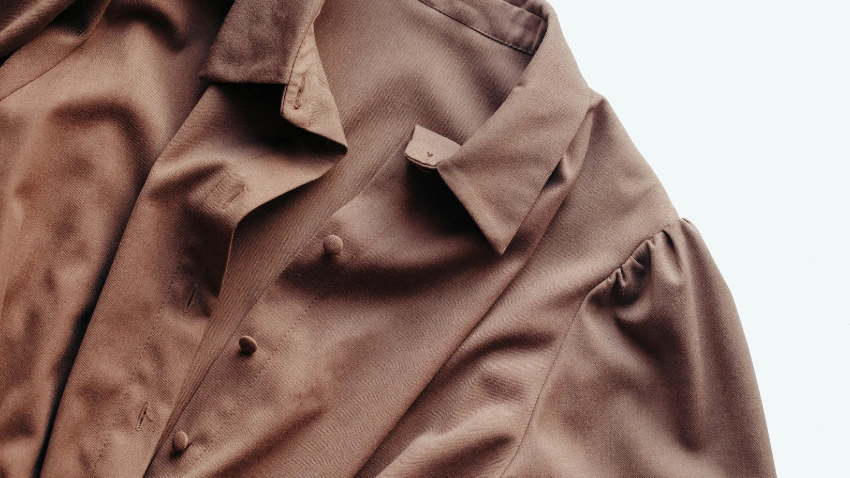
Chocolate brown has become one of the most useful neutral colors for modern wardrobes. It offers the depth you expect from a dark shade while adding warmth that black doesn’t always provide.
Brown is particularly effective in jackets, trousers, coats, knitwear, bags, and footwear. It can also be used across an entire outfit by combining lighter and darker shades of brown.
One of the easiest combinations is chocolate brown with cream. The two colors create a warm and sophisticated contrast. If you want something more contemporary, add icy blue. Denim is another natural partner because blue and brown have a classic relationship that rarely looks forced.
Best pieces to consider in chocolate brown:
Brown is especially useful when you want to move away from an all-black wardrobe without suddenly introducing very bright colors.
Rich Red Is Perfect When You Want Your Outfit to Stand out
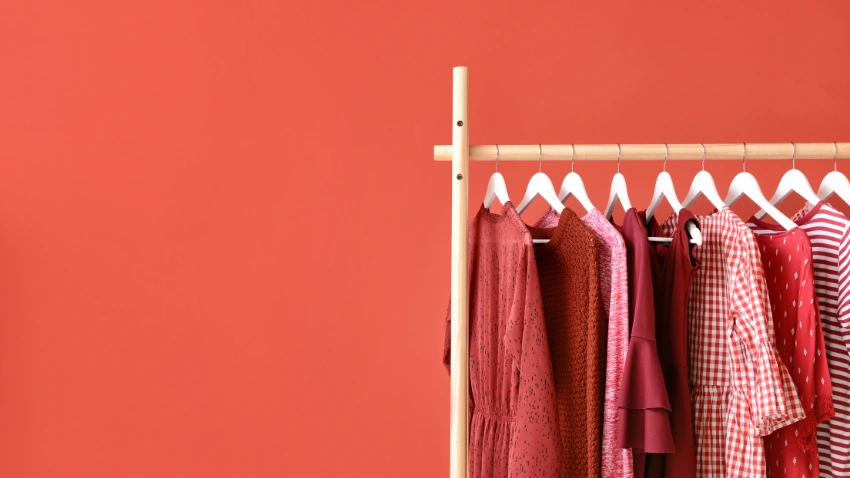
Red is very different from the softer colors on this list. It is energetic, noticeable, and confident, which makes it an excellent choice when you want your outfit to have a stronger presence.
However, wearing red doesn’t mean you need to dress entirely in the color. In many cases, a single red item can have a greater impact because the rest of the outfit gives it room to stand out.
A red sweater with denim is an easy casual combination. A red handbag can bring personality to a neutral outfit, while red shoes can completely change the appearance of a simple dress.
If bright red feels too intense, deeper shades such as burgundy, wine, and dark cherry offer a more understated alternative. These shades work especially well with navy, cream, brown, and black.
A simple way to introduce red: Start with one noticeable item and keep everything else neutral. This allows the color to become the focal point instead of competing with other strong pieces.
Violet and Purple Bring Personality to a Neutral Wardrobe
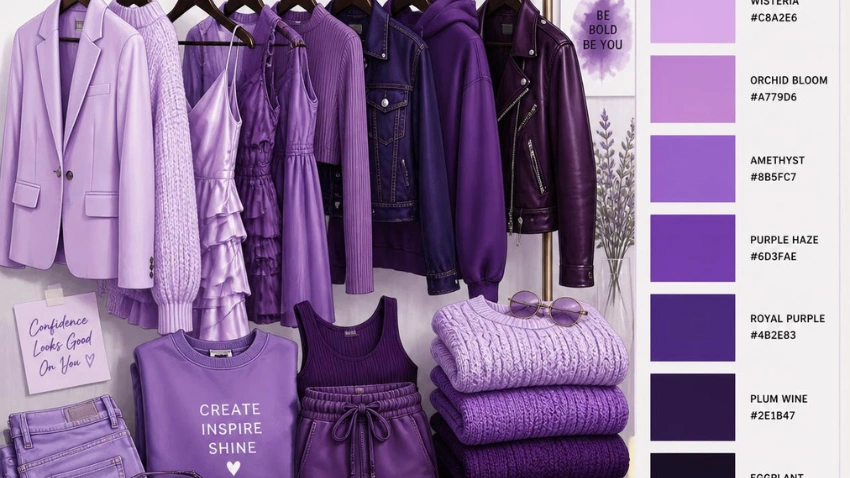
Purple can be one of the most interesting colors to add to your wardrobe because it immediately gives an outfit more personality. Unlike navy or beige, it isn’t normally considered a basic neutral, which means it can make familiar clothing combinations feel new.
There are several directions you can take with purple. Soft lavender creates a delicate appearance, violet feels more expressive, and deeper aubergine shades offer a richer and more sophisticated effect.
If you’re new to purple, try wearing it with denim. A violet top and blue jeans are easy to style and don’t feel overly dramatic. For a more elegant outfit, deep purple can be paired with cream or black.
Purple can also work with other strong colors, but moderation helps. If you want to try red and purple together, allow one shade to dominate while using the other as a smaller accent.
Soft Yellow Gives Neutral Outfits a Fresh Seasonal Update

Yellow doesn’t have to be bright or difficult to wear. Softer shades such as vanilla yellow and creamy yellow provide an easier way to introduce this color into an everyday wardrobe.
These shades work particularly well with white, cream, denim, light blue, beige, and brown. Because they are softer than traditional bright yellow, they can add color without completely dominating your outfit.
A soft-yellow cardigan with jeans and simple sneakers is an easy example. You could also wear a vanilla-yellow shirt underneath a beige jacket or introduce the shade through a small accessory.
Soft yellow works especially well for:
If your wardrobe is dominated by black, white, and gray, a soft yellow piece can provide just enough color to make those basics feel more interesting.
Olive Green Works Almost Like a Neutral

Olive green sits in an interesting position between a statement color and a neutral. It has enough personality to make an outfit more interesting, but it remains subtle enough to combine with everyday basics.
This makes olive particularly useful for casual clothing. An olive overshirt with a white T-shirt and denim is a simple combination that works without looking overly styled. Olive trousers can be paired with cream knitwear, while an olive jacket can be worn over black, beige, or brown clothing.
Another advantage of olive is that it works naturally with earthy colors. If you enjoy relaxed, understated outfits, combining olive with beige, brown, cream, and denim can create a cohesive wardrobe without requiring much effort.
Beige and Camel Keep Your Wardrobe Looking Timeless
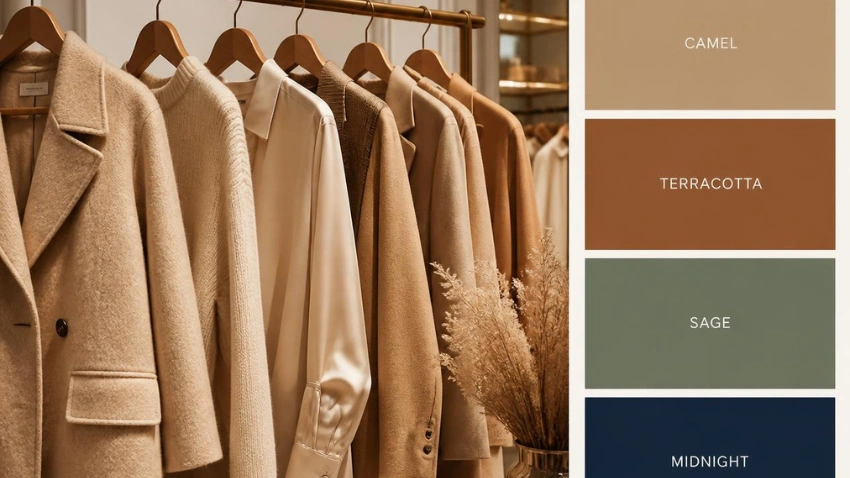
While statement colors receive most of the attention when people talk about fashion trends, beige and camel remain some of the most useful colors you can own. They provide a neutral foundation that allows stronger shades to stand out without overwhelming the outfit.
A camel coat over navy clothing is a classic combination. Beige trousers can be paired with emerald, red, navy, or cream, while a camel handbag can work with almost everything from denim to chocolate brown.
These shades are especially valuable when you’re trying to build a smaller wardrobe where every piece needs to work with several others.
Think of beige and camel as connecting colors. They can sit between stronger shades and make the overall outfit feel more balanced rather than overly colorful.
How to Choose & Style Seasonal Colors for Your Wardrobe
The Best Color Combinations Aren’t Always the Most Obvious Ones
Sometimes the most interesting outfits come from combining a warm color with a cool color rather than matching similar shades. Instead of choosing colors that are almost identical, try creating contrast while keeping the overall outfit balanced.
| Color Combination | Overall Feel |
| Navy + Cream | Classic and polished |
| Icy Blue + Chocolate Brown | Modern and sophisticated |
| Emerald + Cream | Elegant and luxurious |
| Red + Navy | Confident and timeless |
| Purple + Black | Dramatic and stylish |
| Vanilla Yellow + White | Soft and fresh |
| Olive + Beige | Relaxed and natural |
| Camel + Navy | Refined and classic |
| Red + Purple | Bold and fashion-forward |
You don’t have to use these combinations in equal amounts. For example, navy can be the main color of an outfit while cream appears through a shirt or handbag. Similarly, a chocolate-brown jacket can be combined with a small amount of icy blue rather than creating an outfit with equal amounts of both colors.
The key is to let one shade take the lead while the second color adds contrast. This makes even bold combinations feel more natural and wearable.
How to Add Seasonal Colors Without Rebuilding Your Entire Wardrobe
You don’t need to replace everything you own just because the season has changed. In fact, starting with your current wardrobe is usually the smarter approach.
Look at the colors you already wear most often. If you have plenty of white, black, denim, beige, or gray, choose one or two seasonal colors that naturally work with those pieces.
For example, adding an emerald sweater to a neutral wardrobe immediately gives you several new combinations. An icy-blue shirt can work with denim, cream trousers, navy, and brown. A chocolate-brown jacket can be worn with many of those same pieces.
Accessories are another simple way to test a new color. If you’re unsure about wearing violet or red, try introducing the shade through a handbag, scarf, belt, or pair of shoes before buying several larger pieces.
This approach keeps your wardrobe practical and gives you the freedom to experiment without spending money on clothes that may only work with one outfit.
Your Skin Tone Can Help You Choose the Right Shade
There is no strict rule saying that a particular color can only be worn by certain people. However, some shades may naturally complement your coloring more than others.
Warm shades such as chocolate brown, camel, olive, warm cream, terracotta, and golden yellow can create a beautiful appearance when warmer tones suit your natural coloring.
Cooler shades such as navy, icy blue, violet, crisp white, and blue-based reds may work particularly well when cooler tones complement your appearance.
You don’t need complicated color theory to find your best shades. Try different versions of the same color in natural daylight and compare how they look. You may discover that one particular shade works much better for you than another shade from the same color family.
What Colors Work Best for Different Occasions?
The ideal clothing color can depend just as much on the occasion as it does on current fashion trends.
For professional settings, navy, cream, beige, brown, gray, and muted blue are easy choices because they create a polished and dependable appearance.
For casual outfits, olive, denim blue, chocolate brown, icy blue, and soft yellow can make everyday clothing feel more interesting without making the outfit look overly formal.
Evening occasions give you more freedom to experiment. Emerald, rich red, deep violet, navy, and chocolate brown can all create a sophisticated appearance when paired with simple accessories.
For special events, a statement shade can be especially effective. A red dress, emerald outfit, or deep violet piece can become the main focus without requiring complicated styling.
Build a Seasonal Color Palette Instead of Buying Random Pieces
If you often buy clothes that look great individually but don’t work well together, creating a small color palette can make your wardrobe much easier to manage.
Start with two dependable neutral colors, such as navy and cream. Then introduce one or two supporting colors, such as chocolate brown and icy blue. Finally, choose one stronger shade, such as emerald green or rich red, to give your wardrobe more personality.
For example:
With a palette like this, most of your clothes can be mixed and matched without requiring much effort. It also makes future shopping easier because you already know which shades will work with the clothes you own.
Don’t Follow Every Color Trend Just Because It’s Popular
Seasonal trends are useful for inspiration, but they shouldn’t dictate your entire wardrobe. A color can be extremely fashionable and still not fit your lifestyle or personal taste.
If you prefer understated clothing, there is no reason to fill your wardrobe with bright red and violet simply because they’re trending. You may get much more use from navy, cream, brown, olive, and icy blue.
On the other hand, if you enjoy bold fashion, you don’t need to restrict yourself to neutral colors simply because they are considered timeless.
The best wardrobe combines current inspiration with your personal preferences. Fashion should give you ideas and possibilities rather than create rules that make getting dressed more difficult.
The best clothing colors to wear this season are not necessarily the brightest or most dramatic shades. The most useful colors are the ones that make your existing wardrobe feel fresh while still fitting your personal style. Navy and cream provide dependable foundations, while icy blue brings a lighter and more modern touch. Chocolate brown adds warmth, emerald green creates a luxurious statement, and rich red brings confidence to an otherwise simple outfit.
What makes this season especially interesting is the variety of combinations available. You can keep things classic with navy and cream, create a modern contrast with icy blue and chocolate brown, or make a stronger statement with red, emerald, or violet. Soft yellow and olive also provide easy ways to introduce color without completely changing your usual style.
You don’t need to follow every fashion trend or replace your entire wardrobe. Start with one or two colors that work naturally with the clothes you already own. Experiment with different combinations, introduce stronger shades through accessories when necessary, and pay attention to the colors that make you feel most comfortable and confident.
Ultimately, great style is not about wearing every color that becomes popular. It’s about choosing the shades that work for you and knowing how to combine them in a way that feels natural. Use this season’s color trends as inspiration, but make them your own.
Frequently Asked Questions (FAQs)
What are the best clothing colors to wear this season?
Some of the best clothing colors to wear this season include navy blue, cream, icy blue, emerald green, chocolate brown, rich red, violet, soft yellow, olive, beige, and camel. These shades offer a good mix of timeless neutrals and fresh seasonal colors.
What is the most versatile clothing color?
Navy blue is one of the most versatile clothing colors because it works well with cream, white, beige, brown, denim, and many other shades. It can also be dressed up or down depending on the occasion.
What colors are easiest to mix and match?
Neutral shades such as cream, beige, camel, navy, brown, black, and white are generally the easiest to mix and match. They can also be combined with stronger colors such as red, emerald green, purple, or yellow.
How can I add trending colors to my wardrobe?
You don’t need to replace your entire wardrobe. Start by adding one or two trending colors through a sweater, shirt, jacket, handbag, shoes, or another accessory. Choose shades that already work with the neutral colors you own.
What colors make an outfit look more sophisticated?
Navy, cream, camel, chocolate brown, emerald green, and deep violet can all create a sophisticated appearance. The overall effect also depends on the fit, fabric, styling, and combination of colors.
Can I wear more than one bright color in the same outfit?
Yes, but balance is important. If you’re combining strong colors such as red and purple, allow one color to dominate and use the other as a smaller accent. This keeps the outfit visually balanced.
Are neutral colors still fashionable this season?
Yes. Neutral colors remain an important part of modern wardrobes because they are easy to combine with seasonal shades. Cream, beige, camel, navy, and brown can provide a foundation for both simple and more colorful outfits.
How do I choose the right clothing color for me?
Consider your personal preferences, existing wardrobe, and the shades that make your overall appearance look brighter and more balanced. Trying different shades in natural daylight can also help you determine which colors you enjoy wearing most.
Should I follow every seasonal clothing color trend?
No. Seasonal trends are best used as inspiration rather than strict rules. Choose colors that suit your personal style, lifestyle, and existing wardrobe instead of buying something simply because it is currently popular.
What is the best way to experiment with a new clothing color?
Start small. Try a new color through an accessory, shirt, sweater, or other single piece before investing in several items. This lets you see how comfortable you feel with the shade and how easily it works with your existing clothes.
Share This Article