A smartphone has become an important part of everyday life, whether you use it for calls, messaging, social media, photography, streaming, work, or online shopping. Because phones now come in so many sizes, price ranges, and configurations, choosing the right model can be more difficult than simply picking the newest device.
The best smartphone for everyday use does not necessarily need the most powerful processor or the most expensive camera system. A good daily phone should offer a comfortable display, reliable performance, useful cameras, dependable battery life, and software that is easy to live with. The options below cover different needs and budgets, giving you several phones worth considering before making a purchase.
Apple iPhone 17
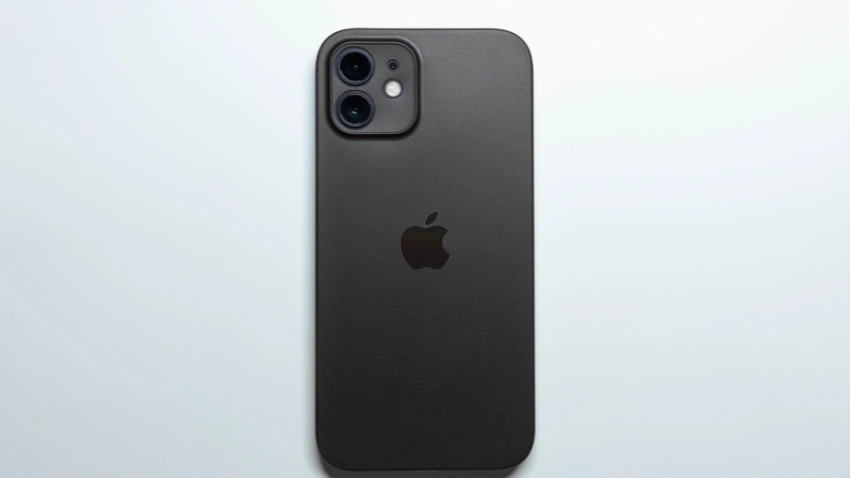
The iPhone 17 is a strong all-around option for people who want a premium smartphone without moving straight to Apple’s Pro models. Current reviews highlight its strong display, powerful performance, camera improvements, and integration with Apple’s wider ecosystem.
For everyday activities such as messaging, browsing, photography, video calls, streaming, and social media, the iPhone 17 provides a balanced experience. It is also a practical choice for people who already use other Apple devices because features can work smoothly across the ecosystem.
Why consider it:
If you want a phone that handles a wide variety of everyday tasks without feeling unnecessarily complicated, the iPhone 17 deserves a place on your shortlist.
Samsung Galaxy S26 Ultra
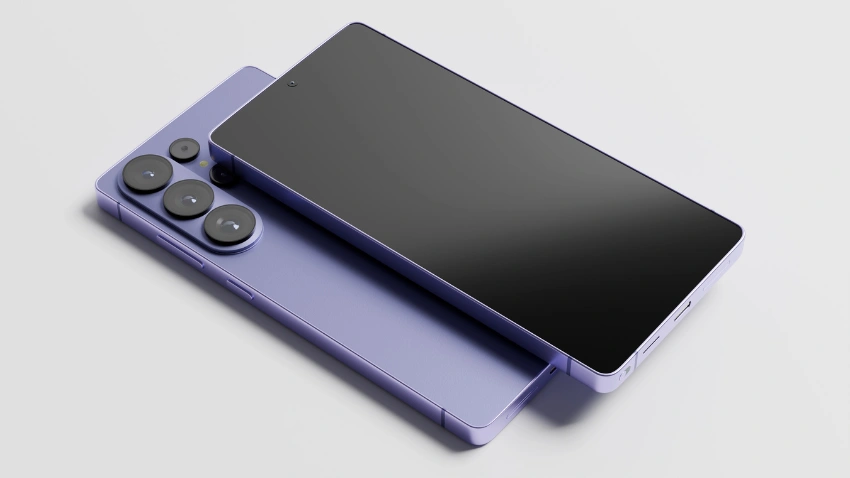
The Samsung Galaxy S26 Ultra is aimed at users who want a powerful Android phone with a large display, advanced cameras, and plenty of features. Current 2026 guides position it among the strongest Android choices, particularly for photography and power users.
Its large screen can be useful for watching videos, reading, browsing websites, editing documents, and multitasking. The camera system is another major attraction, especially for people who want flexibility when photographing different subjects.
Best For
The Galaxy S26 Ultra makes the most sense for someone who wants a premium Android experience and does not mind paying more for additional hardware and features. It may be more phone than a basic user needs, but for people who want maximum flexibility, it is one of the models worth considering.
Google Pixel 10
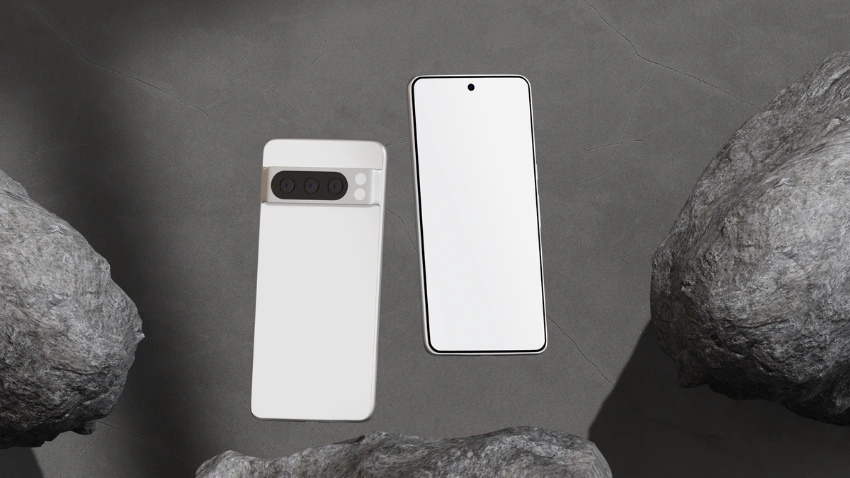
The Google Pixel 10 offers a combination of clean software, a refined design, strong cameras, and useful Google features. Current reviews describe it as an accessible flagship option with a bright 6.3-inch display, versatile cameras, and a strong everyday experience.
One of its biggest attractions is the Pixel software experience. Google’s approach puts considerable attention on photography and helpful AI features, making the phone appealing to people who want useful smart features without navigating an overly complicated interface.
For everyday users who take plenty of photos, use Google services, and want a polished Android phone, the Pixel 10 is an easy model to consider.
OnePlus 15
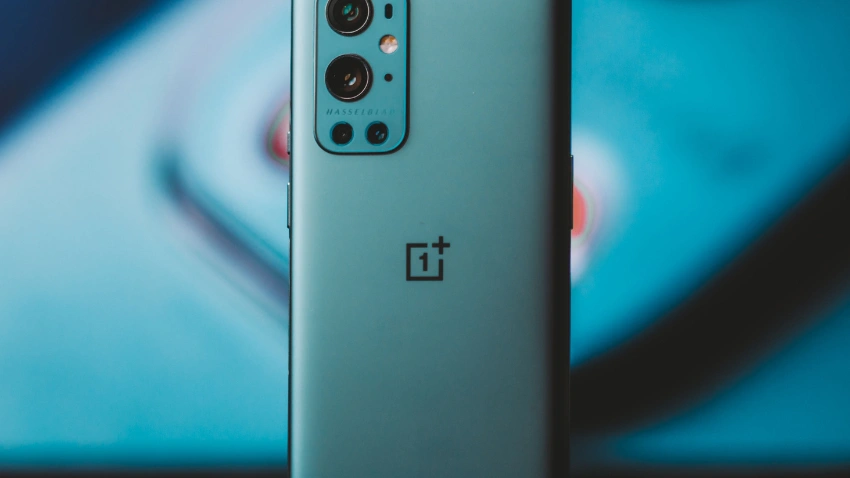
The OnePlus 15 is a particularly interesting option for users who care about performance and battery life. Current Android phone guides highlight its powerful performance, large battery, camera setup, and smooth software experience.
For everyday use, this means the phone can comfortably handle demanding apps, multitasking, video streaming, social media, and other activities without being limited to basic tasks. Its battery capacity is also a major attraction for people who dislike charging their phone frequently.
A good match for: Users who want a fast Android phone with strong battery performance and premium hardware without choosing a traditional Samsung flagship.
Google Pixel 10a
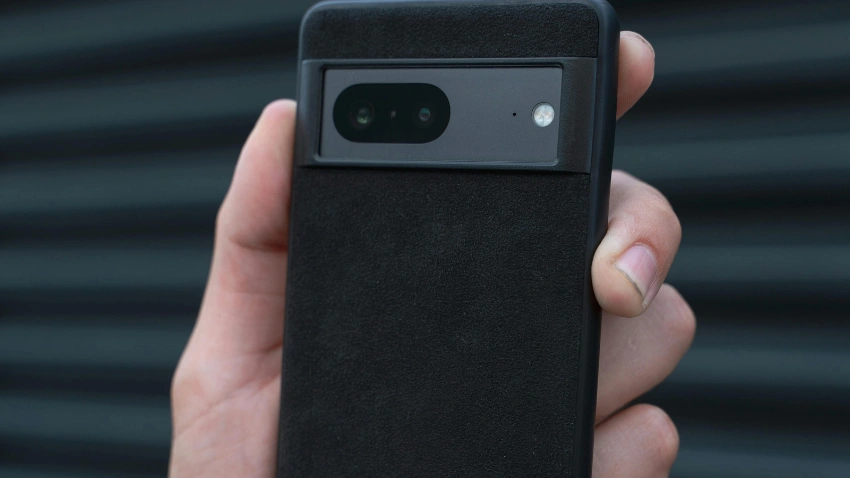
If you want a more affordable Pixel experience, the Pixel 10a is worth considering. Current 2026 buying guides highlight it as a value-focused phone that still offers useful camera performance, software features, and everyday capability.
The Pixel 10a can make sense for people who primarily use their phone for messaging, social media, photography, streaming, browsing, and other normal daily activities. You may give up some premium hardware compared with flagship phones, but that can be a reasonable trade-off when keeping the overall cost lower.
Why It Stands Out
The Pixel 10a is especially interesting for buyers who care about camera quality and Google’s software experience but do not need every premium feature found on the company’s more expensive models.
Samsung Galaxy A26
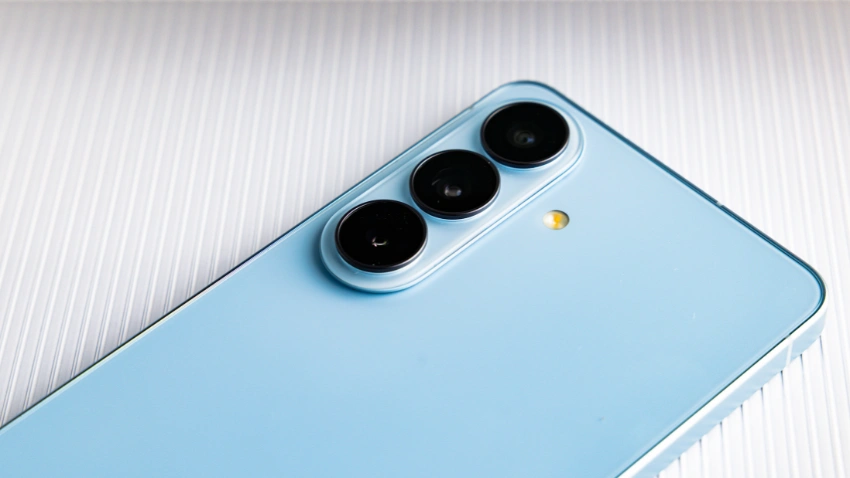
Not everyone needs a flagship smartphone. Samsung’s Galaxy A-series provides alternatives for people who want a practical phone for everyday tasks without moving into the highest price categories. Current 2026 phone guides continue to identify Samsung’s A-series among notable budget choices.
The Galaxy A26 can be a sensible option for users whose main activities include calls, messaging, social media, streaming, web browsing, and casual photography. Its appeal comes from offering a familiar Samsung experience in a more accessible category.
Consider this phone if you want:
For basic to moderate everyday use, a phone like this may provide everything you actually need without paying for features you rarely use.
Apple iPhone 17e
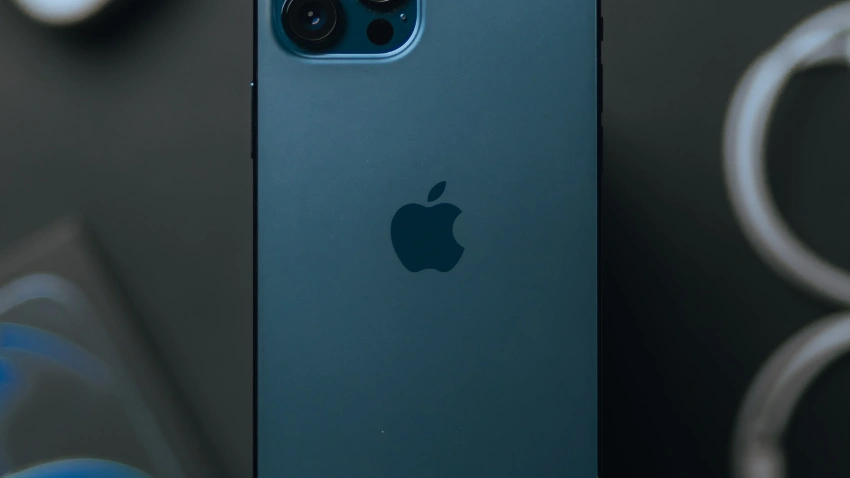
The iPhone 17e is another option for buyers who prefer Apple’s software and ecosystem but do not necessarily want one of the company’s more expensive models. Current 2026 phone guides identify the iPhone 17e as a notable value-focused iPhone option.
For everyday users, the biggest attraction is access to Apple’s ecosystem at a lower point than its premium Pro models. It can handle common activities such as messaging, social media, browsing, photography, streaming, and apps without requiring users to purchase Apple’s most expensive hardware.
If you already use services and devices from Apple, the iPhone 17e may be particularly appealing because familiarity can be just as important as specifications when choosing a daily phone.
Nothing Phone 4a
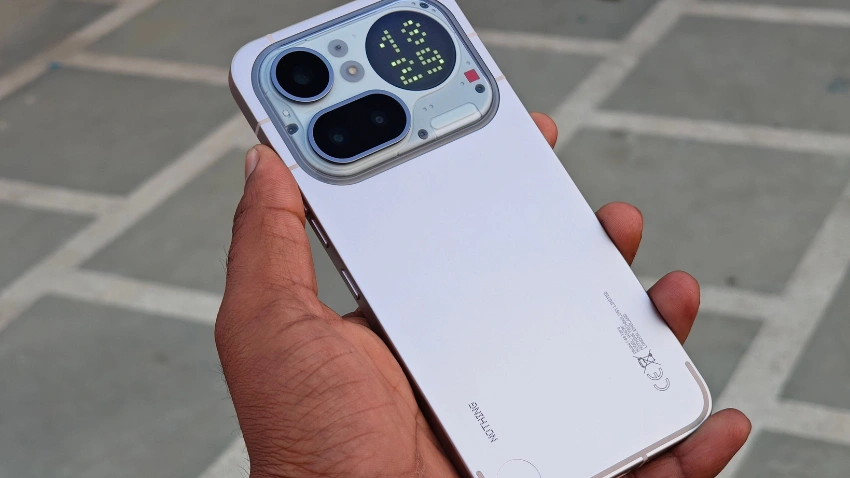
The Nothing Phone 4a is an interesting choice for people who want something different from the usual Apple, Samsung, and Google designs. Current 2026 smartphone guides describe it as an all-rounder with distinctive design elements, smooth software, and a focus on providing good value.
Its design is one of its biggest attractions, but the phone also aims to provide a balanced everyday experience. That makes it suitable for users who want their smartphone to feel a little different while still handling normal daily tasks.
What Makes It Interesting?
Instead of competing only through maximum specifications, Nothing puts attention on design and user experience. That can make the Phone 4a a good option for someone who wants a stylish and practical Android phone.
Motorola Razr 60 Ultra
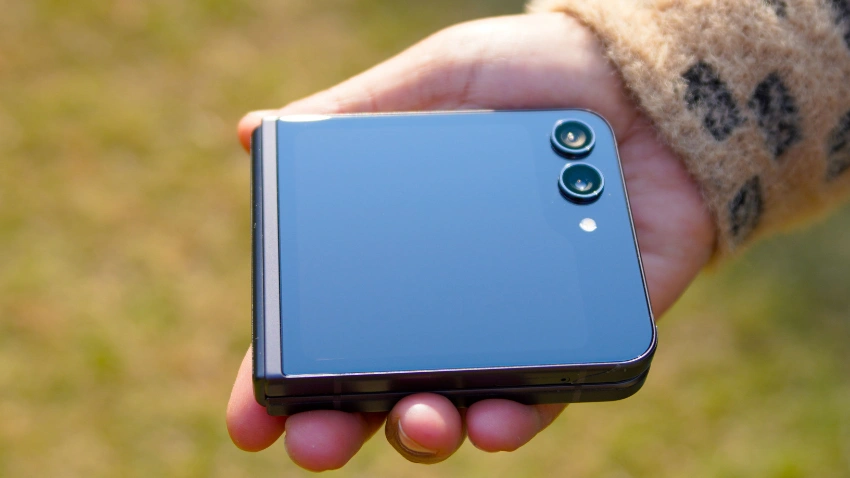
Foldable phones are becoming more practical, and the Motorola Razr 60 Ultra is worth considering if you want a compact design that can open into a larger smartphone. Current reviews highlight its attractive clamshell design, capable cameras, performance, and relatively large battery for this type of device.
The folding design can be particularly useful for people who want a phone that takes up less space when closed. When opened, it provides a larger display for browsing, social media, video, and other everyday activities.
Keep in mind: A foldable phone is a lifestyle choice as much as a specification choice. If compactness and design matter to you, the Razr can be more interesting than a conventional smartphone.
Xiaomi 17 Ultra
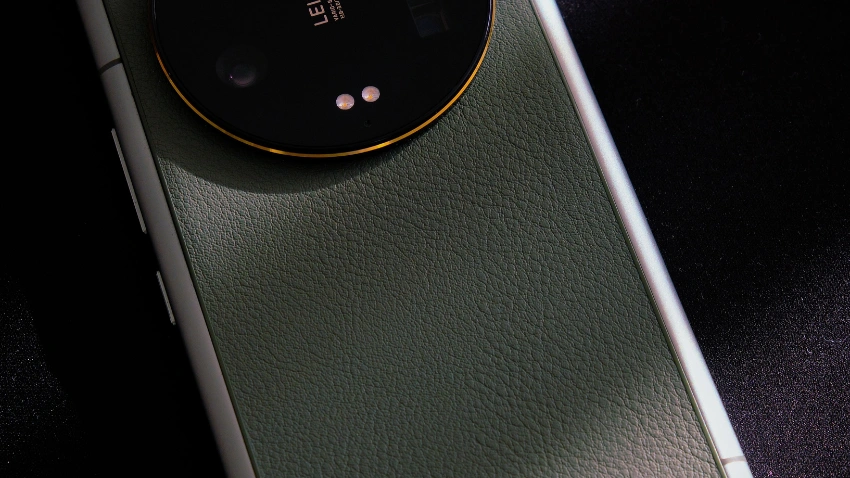
The Xiaomi 17 Ultra is particularly appealing to people who place a high priority on photography. Current 2026 smartphone guides identify it as one of the strongest camera-focused options, with Leica-backed imaging features and advanced camera hardware.
For everyday users, that camera capability can be useful when photographing family moments, travel, food, pets, or social media content. The phone also provides the kind of high-end hardware expected from a premium flagship.
Best For Photography
If taking photos is one of the main reasons you want to upgrade your phone, the Xiaomi 17 Ultra deserves attention. It may be more advanced than necessary for someone who only takes occasional snapshots, but photography enthusiasts can benefit more from its specialized camera system.
How to Choose the Right Smartphone for Everyday Use
Choosing between these phones becomes easier when you focus on how you actually use your current device. Instead of comparing specifications one by one, think about the features you notice every day.
Consider these areas before making your decision:
Think About Long-Term Value
A smartphone is something you may use for several years, so the cheapest option is not always the best value. Software support, battery health, durability, storage, repair options, and the quality of the overall experience can all affect how satisfied you remain with a phone over time.
It is also worth checking the exact regional model, warranty, network compatibility, and local availability before purchasing. In Pakistan and other markets, buyers may also want to confirm official approval and warranty details before choosing an imported device.
The right smartphone for everyday use should make your daily activities easier rather than simply offering the biggest list of specifications. Whether you prefer the straightforward Apple ecosystem, Samsung’s feature-rich Android experience, Google’s camera-focused software, OnePlus performance, or a more affordable model, there are plenty of strong choices.
Before buying, consider your actual priorities, budget, camera needs, battery expectations, and how long you plan to keep the device. A phone that fits your habits and budget will usually be a better choice than one that simply has the highest specifications.
Frequently Asked Questions
There is no single best phone for everyone. The iPhone 17, Google Pixel 10, Samsung Galaxy S26 Ultra, and OnePlus 15 are among the strongest options, while more affordable models can make more sense for basic everyday needs.
Not necessarily. If you mainly use your phone for calls, messaging, browsing, social media, and streaming, a good mid-range phone may provide everything you need without the cost of a flagship.
It depends on how you use your phone. If you frequently take photos or create social media content, investing in a stronger camera system can make sense. Otherwise, a capable standard camera may be enough.
Your ideal storage depends on how many apps, photos, videos, and files you keep on your phone. People who take lots of photos and videos should generally consider higher storage capacities.
Both can provide an excellent everyday experience. iPhones may appeal to people already using Apple’s ecosystem, while Android offers a wider range of designs, prices, and features.
Share This Article