Building a stylish everyday wardrobe is not about owning a large number of clothes or constantly buying new pieces. Instead, it is about selecting versatile clothing that works well together and suits your lifestyle, comfort, and personal taste. A well-planned wardrobe can make daily dressing easier while giving you plenty of options for work, casual outings, travel, and social occasions. When your clothes are comfortable, easy to combine, and suited to your routine, putting together a polished outfit becomes much simpler.
The key is to build your wardrobe gradually and make thoughtful choices rather than purchasing items simply because they are currently trending. Start with dependable basics, choose colors that work together, pay attention to fit, and then add a few pieces that show your personality. With the right balance of practicality and style, even a simple collection of clothes can create a wide range of fashionable everyday outfits.
Start with Essential Wardrobe Basics
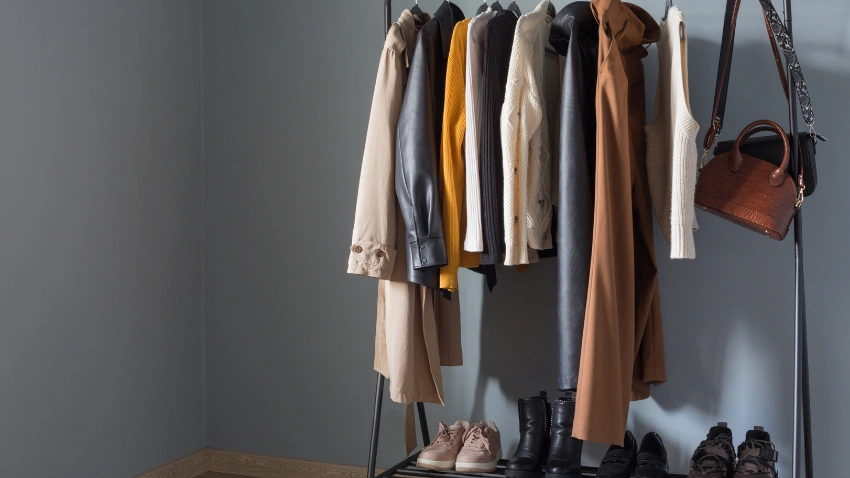
Every stylish wardrobe begins with reliable basics. These are the pieces that can be worn repeatedly and combined with different items to create a variety of outfits. Basic T-shirts, classic shirts, jeans, trousers, sweaters, and lightweight jackets provide a strong foundation for everyday dressing.
The most useful basics are simple, comfortable, and easy to style. Instead of purchasing many similar items, focus on having a selection of versatile pieces that can work across different seasons and occasions. When your wardrobe has strong basics, creating an outfit becomes much easier.
Choose a Versatile Color Palette
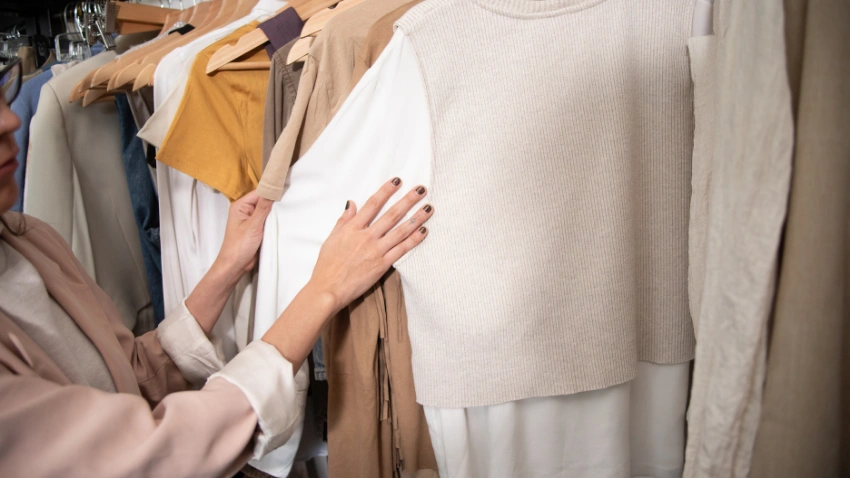
A coordinated color palette can make your wardrobe significantly more practical. Neutral colors such as black, white, grey, beige, navy, and brown are easy to combine and can serve as the foundation of many outfits
A balanced color palette reduces the difficulty of matching clothes and allows you to create more outfits from fewer pieces.
Prioritize the Right Fit and Comfort
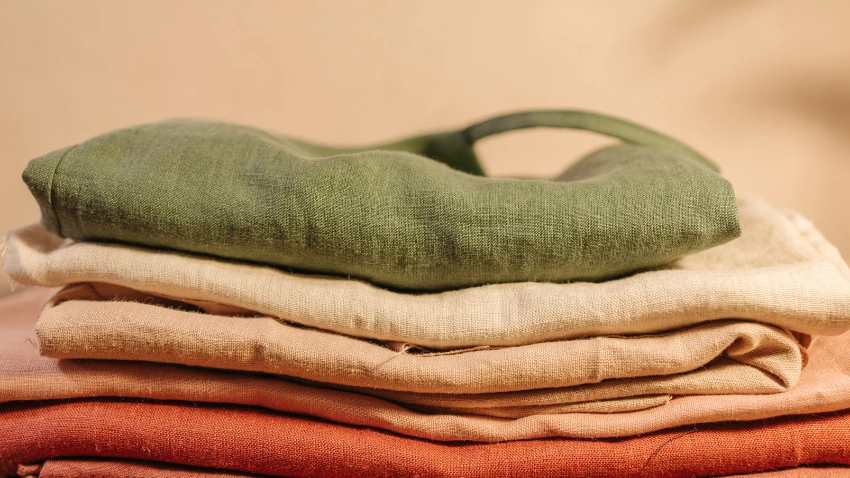
The fit of clothing plays an important role in creating a polished everyday appearance. Clothes should allow comfortable movement while maintaining a clean and well-balanced silhouette. Extremely loose or overly restrictive pieces may be difficult to style for everyday activities.
When shopping, pay attention to the shoulders, sleeves, waist, trouser length, and overall proportions. Comfort is equally important because clothing that feels comfortable is more likely to become a regular part of your wardrobe. Rather than simply following current fashion trends, choose fits that work well for your lifestyle and preferences.
Invest in Quality Everyday Pieces
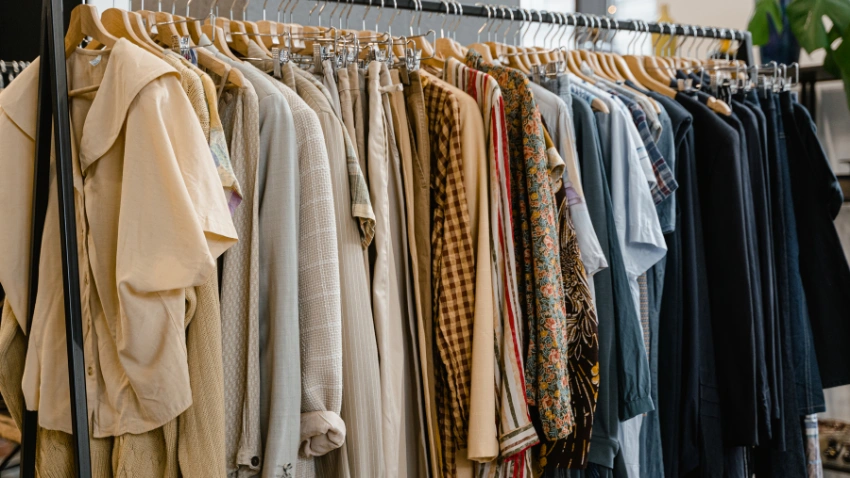
A stylish wardrobe does not have to be expensive, but investing in quality can make your clothing collection more practical in the long term. Well-made pieces often maintain their shape and appearance better when they are properly cared for.
Quality does not always mean buying luxury brands. It means choosing clothing that provides good durability, comfort, and value for regular use.
Add a Few Statement Pieces
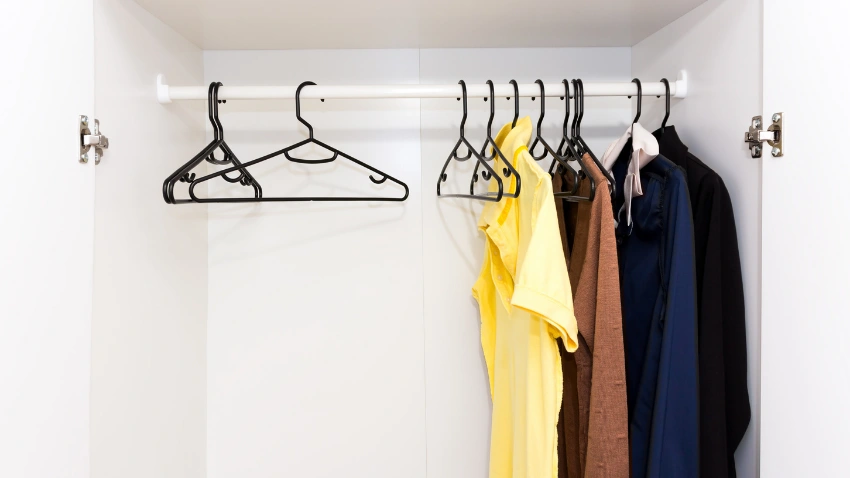
Once your essential wardrobe is established, introduce a few statement pieces to give your outfits more personality. A distinctive jacket, patterned shirt, textured sweater, stylish trousers, or unique accessory can make a simple outfit look more interesting.
Statement pieces should complement your existing wardrobe rather than dominate it. For example, a bold jacket can be paired with a simple T-shirt and neutral trousers. This creates a balanced outfit while allowing one item to become the main focus.
Build Your Wardrobe Around Your Lifestyle
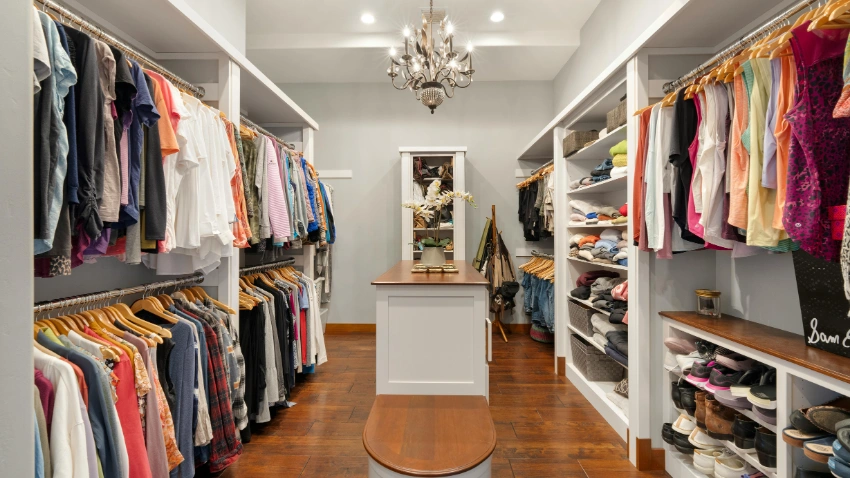
Your wardrobe should reflect how you actually spend your time. Someone who attends university may need comfortable casual clothing, while someone working in an office may require more smart-casual or formal options. Your social activities, climate, daily routine, and personal preferences should all influence your clothing choices.
Think about the situations you regularly dress for and make sure your wardrobe covers those needs. This approach prevents unnecessary purchases and ensures that most of your clothing has a practical purpose.
Learn How to Layer Different Pieces
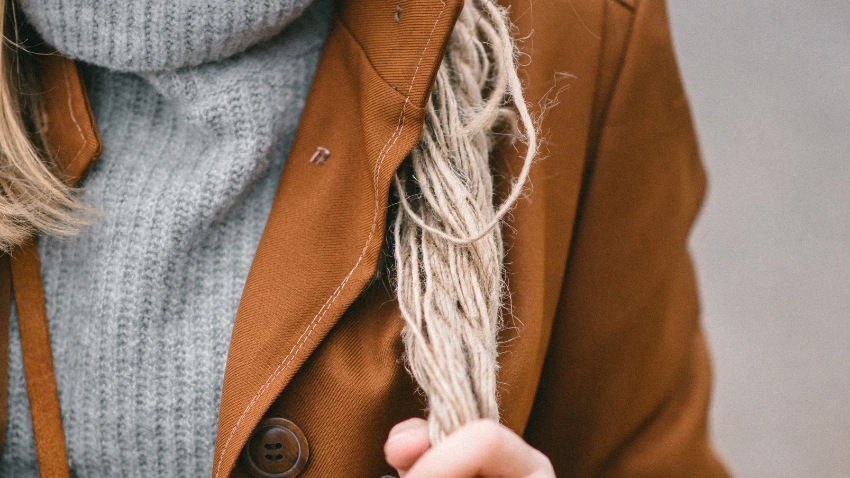
Layering is an easy way to make everyday outfits more versatile and visually interesting. Simple pieces can look completely different when combined with additional layers such as overshirts, cardigans, sweaters, vests, or lightweight jackets.
For example, a basic T-shirt can be worn underneath an overshirt for a casual look, while a button-down shirt can be combined with a sweater for a more polished appearance. Layering also provides flexibility when temperatures change throughout the day.
Choose Versatile Footwear & Accessories
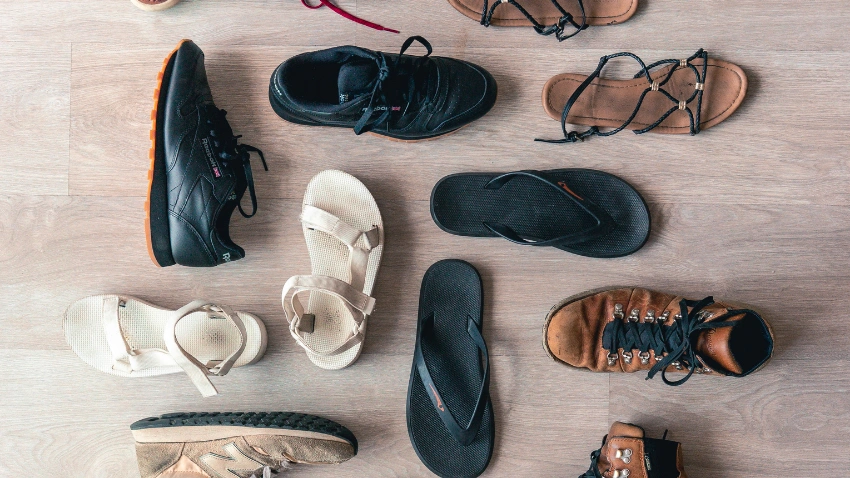
Shoes and accessories can significantly influence the overall appearance of an outfit. You do not need a large collection; instead, choose a few versatile options that work with different types of clothing.
The right footwear and accessories can turn a basic combination into a more complete and coordinated look.
Organize and Regularly Refresh Your Wardrobe
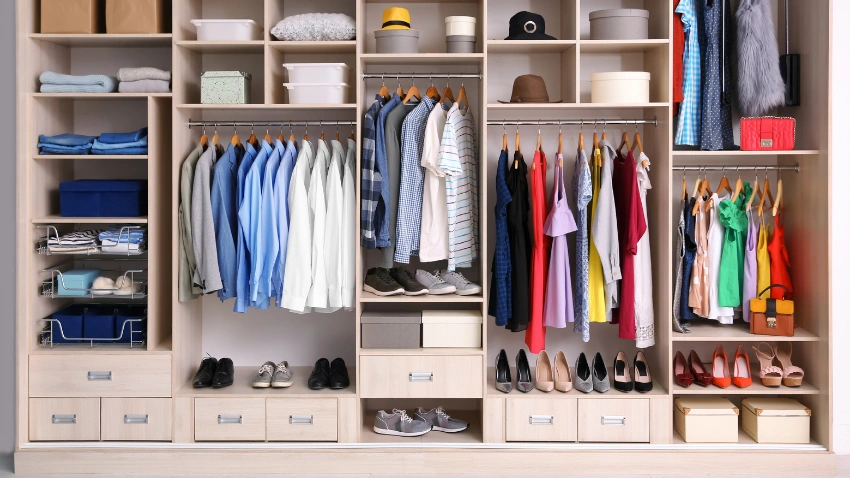
A well-organized wardrobe makes it easier to see what you own and identify what you actually need. Arrange clothing by category, season, or frequency of use so that your most useful pieces are easy to access.
Every few months, review your wardrobe and consider which items you still wear. Clothing that no longer fits your lifestyle, is damaged, or is rarely used can be removed or replaced when necessary. Regular organization also helps prevent unnecessary shopping because you have a clearer understanding of your existing collection.
Develop Your Own Personal Style

The final step in building a stylish everyday wardrobe is developing a personal style that feels natural and authentic. Fashion trends can provide inspiration, but you do not need to follow every trend. Instead, pay attention to the colors, fits, fabrics, and outfit combinations that you genuinely enjoy wearing.
A strong personal style develops over time through experimentation and experience. Try different combinations, notice what works well for your lifestyle, and gradually build a wardrobe around those preferences. When your clothing reflects your personality and remains comfortable and practical, everyday fashion becomes much easier.
Make Your Wardrobe Work Harder
A stylish wardrobe becomes more useful when you learn how to make the most of the clothes you already own. Instead of buying something new whenever your outfits start to feel repetitive, try wearing your existing pieces in different combinations. A shirt that you normally wear with jeans can also work with trousers, while a simple jacket can completely change the appearance of a basic outfit.
Small changes can make familiar clothes feel fresh and give you more styling options without expanding your wardrobe too much. Experiment with different layers, footwear, accessories, and color combinations to discover new looks. This approach can also help you understand which pieces truly work for your personal style and everyday routine.
Simple Tips for Building a Stylish Everyday Wardrobe
Building a stylish everyday wardrobe is a process of making thoughtful and practical choices rather than constantly buying new clothes. Starting with versatile basics, creating a coordinated color palette, choosing comfortable fits, and investing in durable pieces can provide a strong foundation for everyday dressing.
Adding a few statement pieces, learning how to layer, and selecting versatile footwear and accessories can further expand your outfit options. At the same time, regularly organizing your wardrobe ensures that you continue to use the pieces you already own effectively.
Most importantly, personal style should be practical, comfortable, and reflective of your individual preferences. With a well-planned collection of essentials and a few carefully selected fashionable pieces, you can create a wardrobe that makes everyday dressing simple, polished, and enjoyable.
Frequently Asked Questions (FAQs)
Start with essential pieces such as T-shirts, shirts, jeans, trousers, sweaters, and lightweight jackets. Choose versatile items that can be combined to create different outfits.
Neutral shades such as black, white, grey, beige, navy, and brown are excellent foundations. You can also add a few colors that match your personal style.
The right fit helps create a polished appearance while allowing comfortable movement. Pay attention to the shoulders, sleeves, waist, length, and overall proportions of each garment.
You do not necessarily need expensive clothing. Focus on durable fabrics, strong construction, comfortable materials, and timeless designs that provide good value over time.
A few statement pieces are usually enough. A distinctive jacket, patterned shirt, textured sweater, or unique accessory can add personality without making your wardrobe difficult to coordinate.
Consider your daily routine, work or university environment, social activities, climate, and personal preferences. Choose clothing that is practical for the situations you regularly experience.
Share This Article