Buying a new phone is a decision that can affect your daily routine for several years. With so many smartphones available at different prices, it can be difficult to know which features are genuinely important and which ones simply look impressive on a specification sheet.
Before buying a new phone, it is better to look beyond the design and advertised features. Performance, battery life, camera quality, display, storage, software updates, durability, connectivity, price, and real-world reviews can all affect your experience. Checking these areas beforehand can help you avoid paying for a phone that does not match your needs.
Check the Phone’s Performance

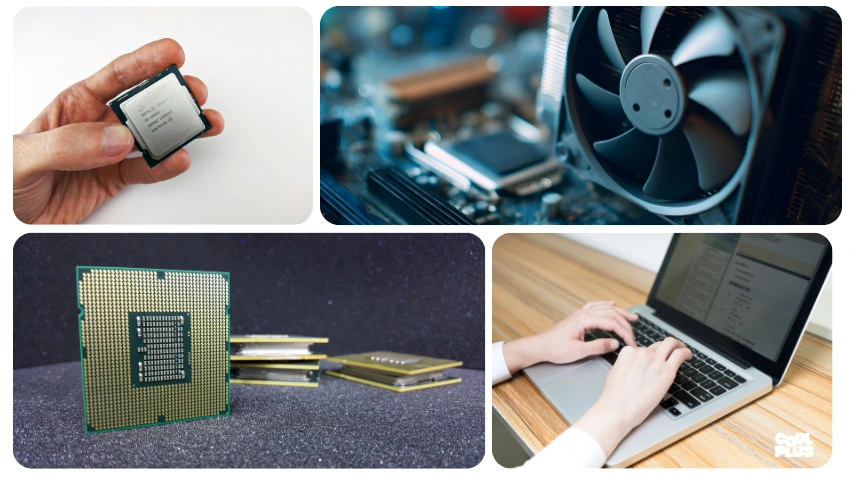
The processor plays an important role in determining how smoothly a phone handles everyday tasks. A capable processor can make applications open quickly, improve multitasking, and provide better performance when using demanding apps or games.
RAM is another important factor. While more RAM is not always necessary, having enough can help the phone keep multiple applications running without constantly reloading them. For basic users, a reliable mid-range phone may provide plenty of performance without the cost of a premium flagship.
When comparing phones, think about what you actually do every day. If you mainly browse websites, use messaging apps, watch videos, and check social media, you may not need the most powerful processor available. Heavy gamers and users who edit photos or videos may benefit more from stronger hardware.
Look at Battery Life
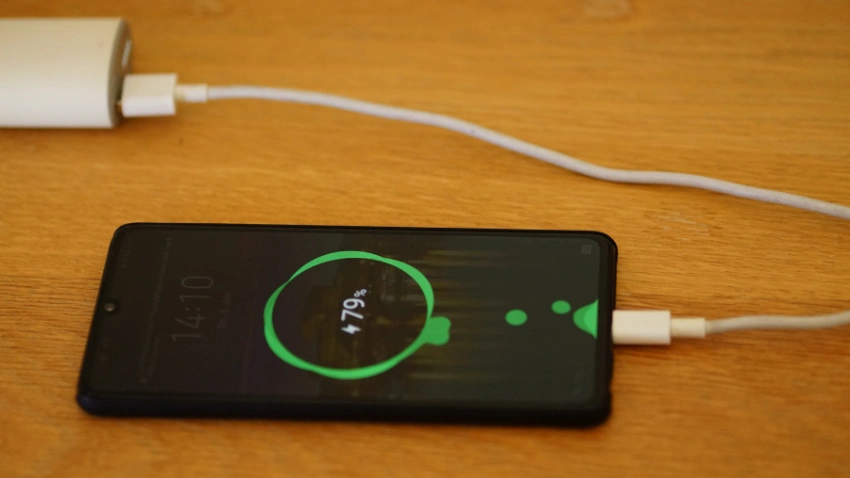
Battery life is one of the most practical things to check before buying a new phone. A phone with a large battery can be useful, but battery capacity alone does not tell the whole story. The processor, screen, software optimization, brightness, and your personal usage can all influence how long the battery lasts.
Consider your normal routine. If you spend long hours away from a charger, a phone with strong battery endurance should be a priority. On the other hand, if you usually have easy access to charging, extremely long battery life may not be as important.
Also check these battery-related features:
A good balance between battery life and charging speed can make the phone much more convenient to use.
Consider the Camera Quality
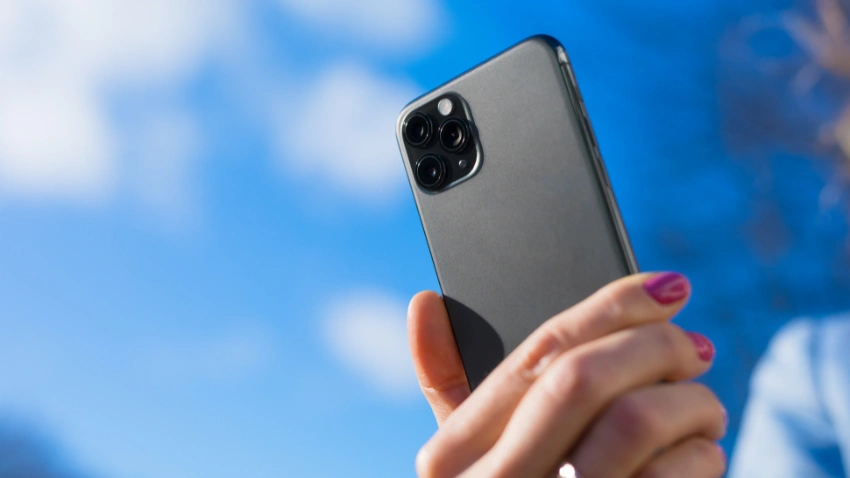
Many phones advertise high-megapixel cameras, but megapixels alone do not determine whether a camera takes good photos. Image processing, sensor quality, stabilization, lens selection, and low-light performance can all have a noticeable effect on the final result.
Think about the type of photography you normally do. If you take many pictures of family and friends, portrait and skin-tone quality may matter more. If you travel frequently, an ultrawide or telephoto camera can be useful for different types of scenes.
It is also a good idea to look at real camera samples before purchasing. Official marketing images may not give you an accurate idea of everyday performance.
Quick camera check: Look at daytime photos, nighttime photos, video quality, front-camera results, and autofocus performance rather than focusing only on the megapixel number.
Check the Display
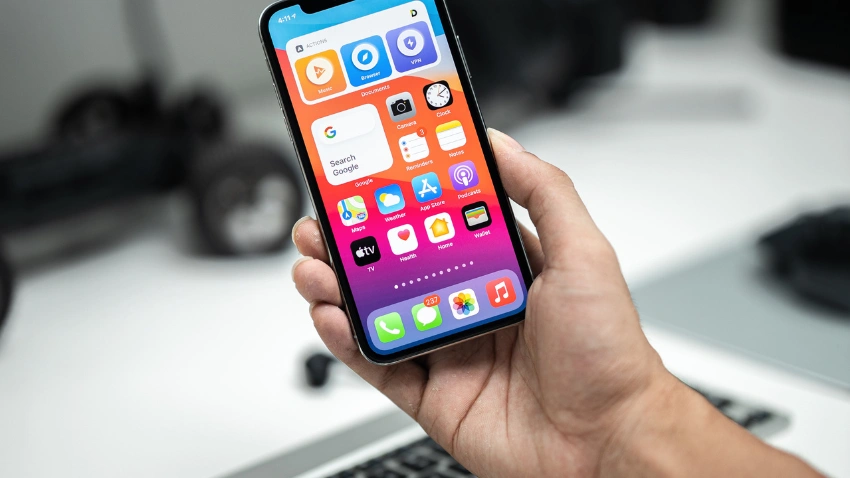
The display is another feature you will use constantly, whether you are browsing, watching videos, reading articles, or playing games. Because of this, screen quality can have a major effect on how comfortable the phone feels during everyday use.
Look at the screen size, resolution, brightness, refresh rate, and panel technology. A higher refresh rate can make scrolling feel smoother, while strong brightness can make the screen easier to see outdoors.
You should also consider the physical size of the phone. A large display can be excellent for entertainment and reading, but a smaller phone may be easier to hold and use with one hand.
What to Compare
| Feature | Why It Matters |
| Screen size | Affects viewing space and comfort |
| Resolution | Determines image sharpness |
| Refresh rate | Makes supported movement and scrolling smoother |
| Brightness | Helps with outdoor visibility |
| Panel type | Can affect colors, contrast, and viewing experience |
The best display depends on how you use your phone, so do not automatically choose the largest or highest-resolution screen.
Choose Enough Storage

Storage is easy to underestimate when buying a new phone. Applications, photos, videos, downloads, and system files can gradually consume a large amount of space. Once the storage becomes nearly full, managing your files can become frustrating.
Think about how much content you currently keep on your phone. If you regularly record videos, download movies, install large games, or take lots of high-resolution photos, having additional storage can be useful.
A simple way to think about storage is:
128GB: A reasonable choice for many everyday users.
256GB: Better for people who keep more photos, videos, apps, and games on their phone.
512GB or more: Useful for heavy users who store large amounts of content locally.
Also check whether the phone supports expandable storage. Many modern phones do not include a memory-card slot, so the storage you buy may be the storage you have for the entire life of the device.
Check Software Updates and Support

A phone is not only about its hardware. Software support can determine how useful and secure the device remains as it gets older. Before buying, check how long the manufacturer promises operating system updates and security updates for that specific model.
This is particularly important if you plan to keep the phone for several years. A device that receives updates for longer can remain compatible with newer applications and receive important security improvements.
You should also explore the phone’s software experience. Different manufacturers may offer different interfaces, settings, customization tools, and pre-installed applications.
Before buying, check:
Look at the Build Quality
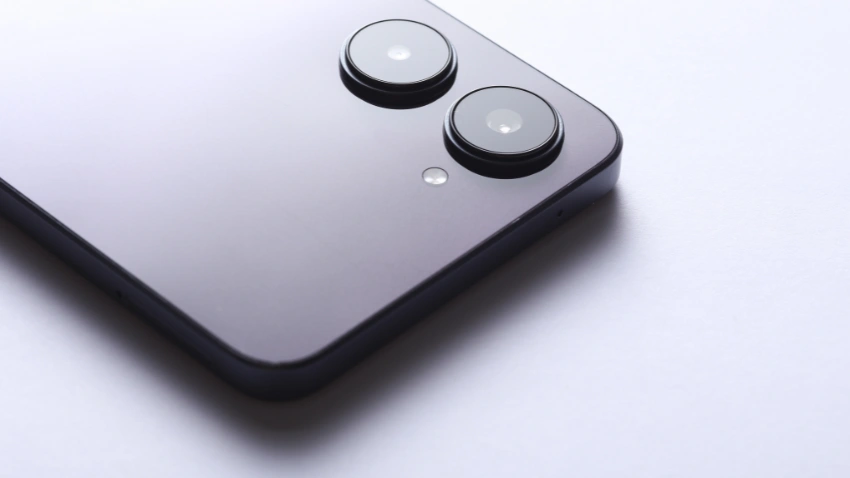
Build quality becomes particularly important if you plan to use the same phone for several years. The materials used for the frame and back can affect how the device feels in your hand and how well it handles everyday use.
Check whether the phone offers protection against water and dust and look at the type of glass used on the display. These features do not make a phone indestructible, but they can provide additional protection against common accidents.
The weight and shape are worth considering too. A phone can have excellent specifications but still feel uncomfortable if it is too heavy or difficult to grip.
Small details such as button placement, frame shape, camera bump size, and overall grip can make a noticeable difference when you use the device every day.
Check Connectivity and Useful Features
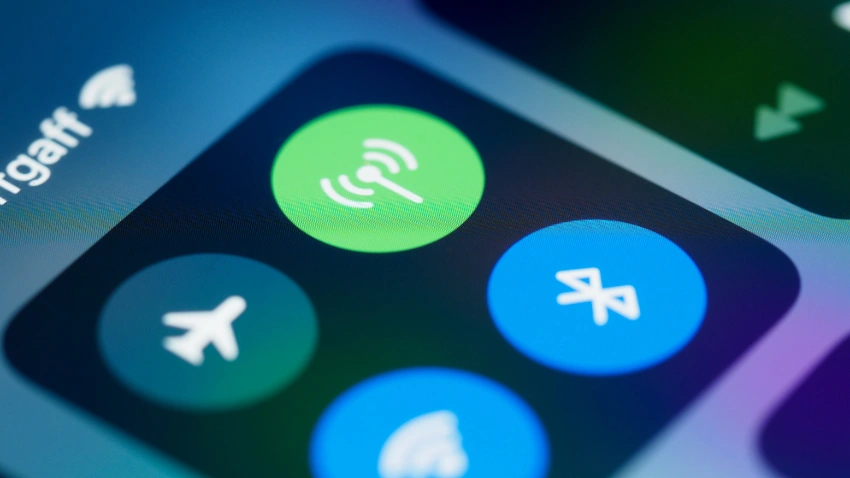
A phone should support the connectivity options you actually need. Network compatibility is especially important because not every phone supports the same cellular bands or SIM configurations.
Depending on your needs, check whether the phone offers 5G, Wi-Fi capabilities, Bluetooth, NFC, USB connectivity, and dual-SIM or eSIM support.
Instead of choosing a phone simply because it has the longest feature list, focus on useful features that fit your routine.
For example, NFC can be useful for supported contactless payments and accessories, while dual-SIM support can be convenient for people who use two numbers. Similarly, modern USB connectivity can be useful for charging, file transfers, and accessories.
Compare the Price With What You Need
Price should always be considered together with features. A more expensive phone may offer improvements in areas such as camera performance, processor speed, display quality, materials, or software support, but not every improvement will be equally useful to every buyer.
Before comparing prices, decide which features matter most to you. This prevents you from spending extra money on specifications that you may rarely use.
A Simple Way to Compare
Start with your budget → Identify important features → Compare similar phones → Check long-term support → Review the overall value
For example, if battery life is your biggest priority, a phone with a slightly less powerful processor but excellent endurance may fit your routine better than a phone designed mainly for high performance.
The goal is not simply to find the cheapest phone or the phone with the most specifications. It is to find a device whose features and price make sense for your own usage.
Read Reviews Before Buying

Specifications can tell you what a phone is supposed to offer, but reviews can show you how it performs in everyday situations. Before buying a new phone, look for reviews from reliable sources and compare several opinions.
Pay attention to repeated comments about battery performance, heating, cameras, software problems, speakers, display quality, and comfort. If several independent reviewers mention the same issue, it is worth investigating further.
Do not focus only on the first few days of testing. Long-term reviews can sometimes reveal problems that are not obvious when a phone is brand new.
Check the Warranty and Return Policy
Before completing your purchase, check the warranty terms and return policy from the seller. Find out what is covered, how long the warranty lasts, and what you should do if the phone arrives damaged or develops a problem.
If you are buying online, also make sure the seller is reliable and provides the correct model and storage configuration. Keeping your receipt or order information can make future warranty claims much easier.
Make a Final Feature Check
Take a final look at the features that matter most to you before placing the order. Make sure the storage is sufficient, the battery fits your routine, the camera meets your expectations, and the phone supports the network and connectivity options you need.
It can also help to compare the final price with a few similar models. Sometimes a small price difference can provide additional storage, better software support, or another feature that you would actually use.
Buying a new phone becomes much easier when you know which features deserve your attention. Performance, battery life, camera quality, display, storage, software support, build quality, connectivity, price, and real-world reviews can all influence your experience.
Instead of choosing a phone only because it has a popular design or impressive specifications, compare those features with your actual needs. Taking a little extra time to research before buying can help you choose a phone that feels practical, reliable, and suitable for everyday use.
Frequently Asked Questions
Start by checking your budget and deciding how you will use the phone. Then compare performance, battery life, camera quality, display, storage, and software support to find a model that fits your everyday needs.
For many users, 128GB can be sufficient for everyday apps, photos, and browsing. Users who keep many videos, games, or large files may prefer 256GB or more.
Megapixels are only one part of camera quality. Sensor quality, image processing, stabilization, lenses, and low-light performance can also have a major effect on the photos and videos you capture.
Software updates can help keep a phone secure, compatible with newer applications, and useful for longer. Check the manufacturer’s update policy before buying if you plan to keep the phone for several years.
If your mobile network and area support 5G and you expect to use the phone for several years, 5G may be a useful feature to consider. However, your actual need depends on your network, location, and usage.
Not necessarily. A more expensive phone may offer stronger specifications or additional features, but those improvements may not be important for every user. Compare the features with your actual needs before spending more.
Share This Article