A minimalist wardrobe isn’t about owning as few clothes as possible or forcing yourself to wear the same outfits every day. The real idea is to create a wardrobe where the pieces you own are useful, comfortable, easy to combine, and suited to your everyday life.
Many people have a closet full of clothes but still feel like they have nothing to wear. The problem is often not a lack of clothing. It is having too many pieces that don’t work together, don’t fit properly, or rarely match the way you actually live.
Creating a minimalist wardrobe gives you an opportunity to remove that frustration. Instead of constantly buying new clothes, you can focus on building a smaller collection of dependable pieces that can create many different outfits.
The process doesn’t have to happen overnight. You can gradually remove things you don’t wear, identify the styles you actually enjoy, and build a wardrobe around versatile essentials. With the right approach, having fewer clothes can actually give you more outfit options.
Start by Understanding What You Actually Wear
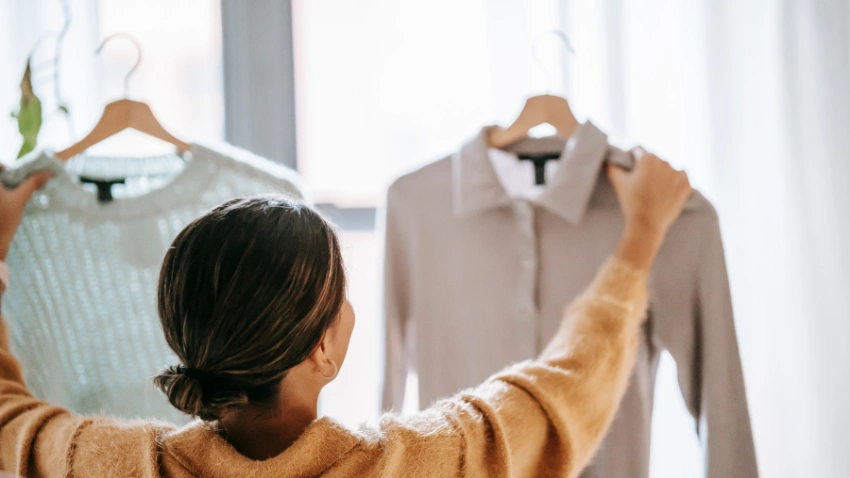
Before buying anything new, spend some time looking at your current wardrobe. This is one of the most important steps because it shows you what your real style looks like rather than what you think your style should be.
Look at the clothes you reach for repeatedly. Maybe you always choose straight-leg jeans, simple shirts, neutral sweaters, or comfortable sneakers. These patterns tell you much more about your wardrobe needs than a list of fashion trends.
You should also notice the clothes that remain untouched for months. If something has been sitting in your closet because you are waiting for the “right occasion,” it may not be useful enough to justify the space it takes.
Ask yourself these questions:
Your answers can make the decluttering process much easier.
Build Your Wardrobe Around Your Lifestyle
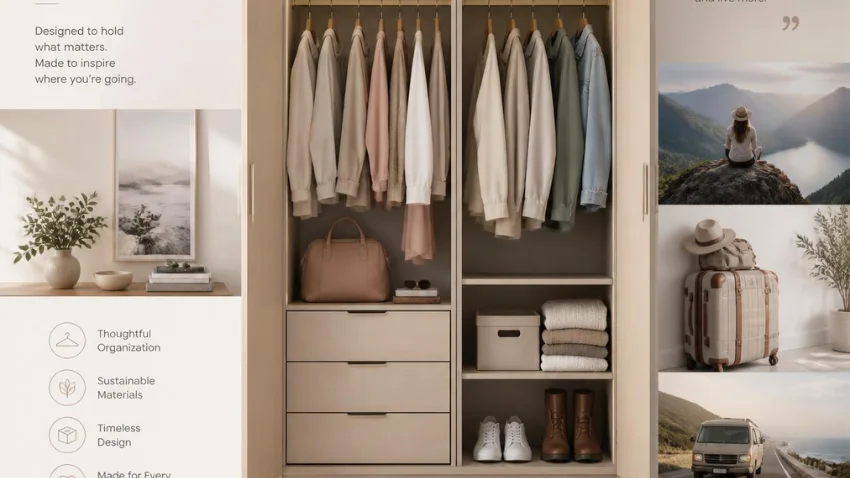
A minimalist wardrobe should reflect your life, not someone else’s idea of what a perfect wardrobe looks like.
Someone who works in an office may need several smart outfits, while someone who works from home may need mostly comfortable casual clothing. A person who travels frequently might prioritize lightweight and versatile pieces, while someone who attends formal events regularly may need more occasion-specific clothing.
Think about where you spend most of your time. Your wardrobe should provide clothing for those situations first.
A useful starting point is to divide your clothing needs into categories such as:
Work: Professional and smart-casual clothing
Everyday: Comfortable outfits for normal activities
Relaxed: Clothing for home and casual weekends
Occasions: Clothing for dinners, events, or celebrations
Seasonal: Jackets, coats, summer pieces, or other weather-specific items
The exact balance will be different for everyone. There is no universal number of items that makes a wardrobe minimalist.
Choose a Small Group of Reliable Basics
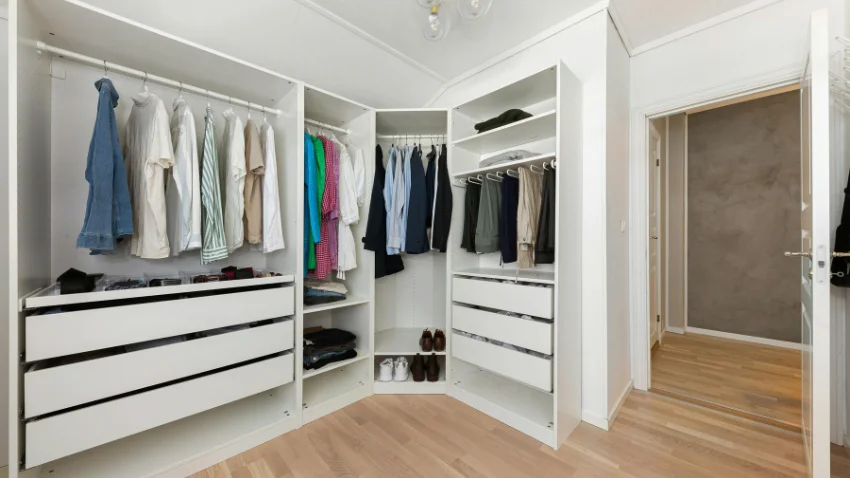
Once you understand your lifestyle, identify the basic pieces that can support most of your outfits.
These aren’t necessarily boring clothes. A basic simply means something that is easy to use and combine with other pieces.
A good minimalist wardrobe often includes dependable items such as:
The goal isn’t to buy all of these immediately. Look at what you already own and identify the gaps.
If you already have three pairs of jeans that you love, there is no reason to buy three more just because they are considered wardrobe essentials.
Pick Colors That Naturally Work Together

One of the easiest ways to make a minimalist wardrobe more functional is to create a simple color palette.
When most of your clothes can be combined with one another, you can create more outfits without owning a huge number of pieces.
Neutral colors are particularly useful because they tend to work well together. Black, white, navy, gray, beige, cream, brown, and denim can form a strong foundation.
You can then introduce one or two colors that give your wardrobe more personality.
For example, your palette could look like this:
| Wardrobe Role | Example Colors |
| Main Neutrals | Navy + Cream |
| Secondary Neutrals | Brown + Beige |
| Everyday Color | Olive |
| Accent Color | Burgundy |
This doesn’t mean every item must follow the palette perfectly. The purpose is simply to make shopping and outfit planning easier.
Prioritize Fit Over Quantity
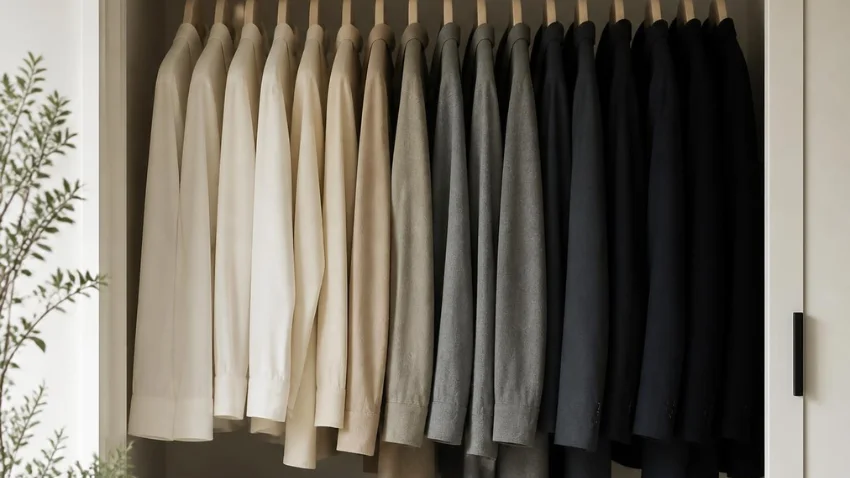
A minimalist wardrobe depends heavily on fit because each piece gets used more frequently. If something doesn’t fit properly, you’ll probably avoid wearing it no matter how attractive it looks.
Pay attention to the shoulders of jackets, the length of trousers, the waist of jeans, and the overall shape of shirts and sweaters. Small adjustments can sometimes make a basic item look significantly better.
You also don’t need to chase every current silhouette. Trends change quickly, but a comfortable and flattering fit can remain useful for years.
If a piece is slightly too long or loose but otherwise excellent, consider whether a simple alteration could make it more wearable. Tailoring can sometimes be more valuable than buying something new.
Remove Clothes You No Longer Wear
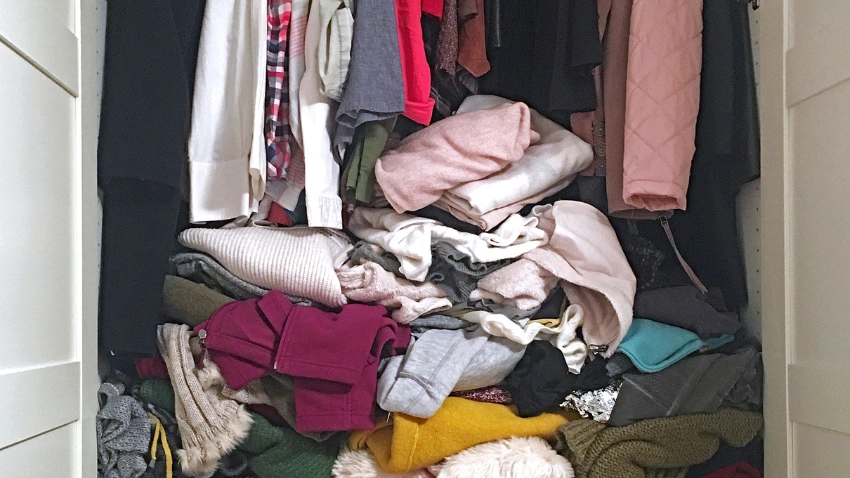
Decluttering is an important step toward creating a minimalist wardrobe, but you don’t need to remove everything at once. Start by looking for clothes you already know you no longer wear or need.
Pay attention to items that are damaged, uncomfortable, outdated, or simply haven’t been worn in a long time. If a piece has been sitting untouched in your closet for months, it may be taking up valuable space without adding anything useful to your wardrobe.
Some clothes can be harder to let go of because of memories, sentimental value, or the thought that you might wear them someday. Before keeping these pieces, ask yourself when you last wore them and whether you can realistically see yourself wearing them again.
A simple approach is to separate your clothes into three groups: keep, reconsider, and let go. Set the uncertain pieces aside for a while and revisit them later. If you don’t miss them or find a reason to wear them, that can make the decision to remove them much easier.
Make Sure Every New Purchase Has a Purpose

Minimalism becomes much easier when you stop buying clothes simply because they are attractive or discounted.
Before purchasing something, think about how it will actually fit into your wardrobe. If you can’t think of at least several outfits using the item, it may not be as versatile as it first appears.
A useful shopping checklist is:
Before buying, consider:
This small pause can prevent a lot of unnecessary purchases.
Invest in Versatile Pieces Instead of One-Time Outfits

A minimalist wardrobe works best when individual pieces can serve multiple purposes.
A simple blazer, for example, can be worn with jeans for a relaxed dinner, trousers for work, or a simple dress for an evening event. A neutral button-down can work with denim, tailored trousers, shorts, or layered under a sweater.
The more situations a piece can handle, the more valuable it becomes.
This doesn’t mean every item must be extremely versatile. Some clothes can be special or expressive. The important thing is to make sure the majority of your wardrobe earns its place through regular use.
Don’t Confuse Minimalism With Neutral Colors

A minimalist wardrobe does not have to be completely black, white, beige, and gray.
If you love bright colors, patterns, or interesting textures, they can absolutely have a place in your wardrobe. The goal is not to remove personality. The goal is to remove unnecessary excess.
You might have a mostly neutral wardrobe with a few statement pieces that you genuinely love.
For example, a simple wardrobe could include mostly navy, cream, denim, and brown while using emerald green or red as occasional statement colors.
This approach keeps your everyday outfits easy while still giving you opportunities to express your personality.
Create Outfit Formulas You Can Repeat
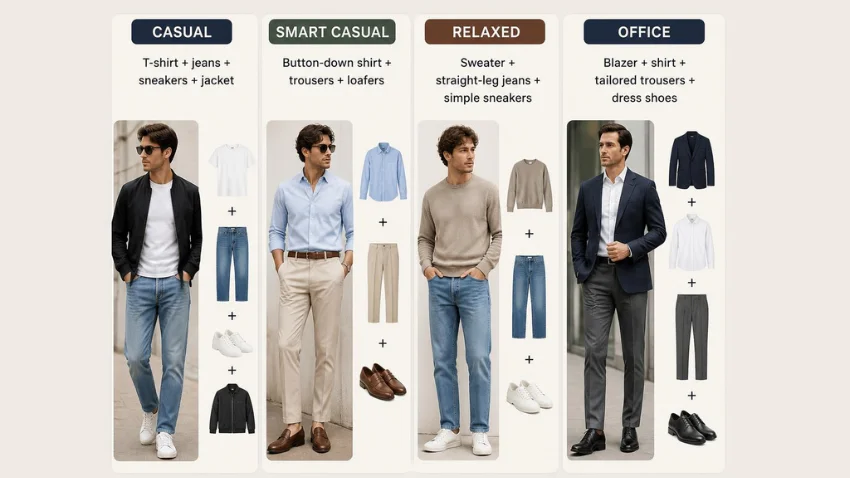
One of the biggest advantages of a minimalist wardrobe is that you can develop simple outfit formulas instead of starting from scratch every morning.
An outfit formula is simply a combination that you know works.
For example:
Casual: T-shirt + jeans + sneakers + jacket
Smart Casual: Button-down shirt + trousers + loafers
Relaxed: Sweater + straight-leg jeans + simple sneakers
Office: Blazer + shirt + tailored trousers + dress shoes
Once you know your formulas, getting dressed becomes much faster. You can then change the colors, textures, or accessories without completely reinventing the outfit.
Organize Your Wardrobe So Everything Is Easy to See
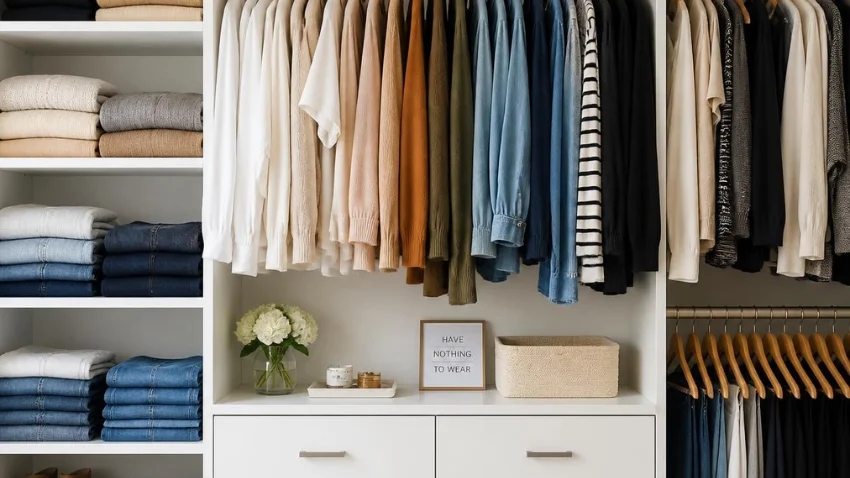
Even a small wardrobe can feel overwhelming if everything is poorly organized. When clothes are packed too tightly, it becomes difficult to remember what you own, and you may end up wearing the same few outfits again and again.
Keep frequently worn pieces easy to reach and avoid overcrowding your closet. You can organize clothing by category, such as shirts, trousers, knitwear, jackets, and outerwear. Arranging some pieces by color can also make outfit planning easier and help you quickly find what you’re looking for.
The best system is the one that fits your daily routine. A well-organized wardrobe saves time, keeps your clothes easier to maintain, and helps you make better use of the pieces you already own.
Give Your Wardrobe a Seasonal Review
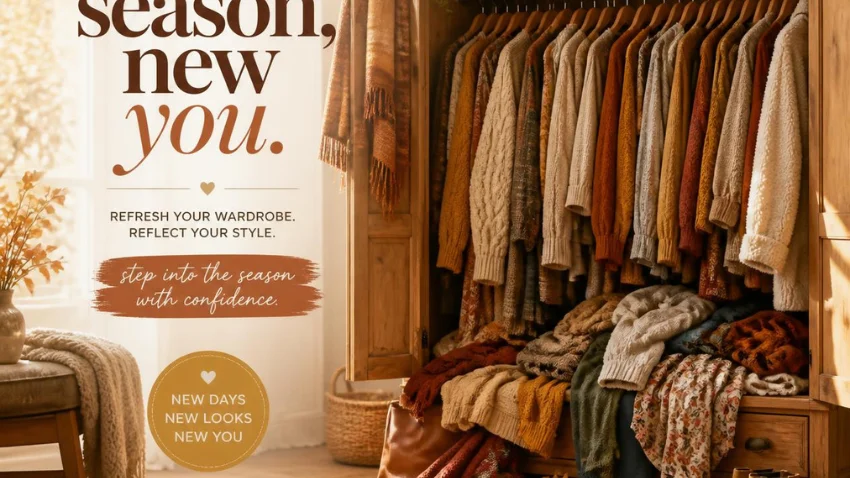
Your wardrobe doesn’t have to stay exactly the same throughout the year. Seasonal changes give you a natural opportunity to review what you own and decide which pieces are still useful for your lifestyle.
When the weather changes, look at what you actually wore during the previous season. Keep the pieces that were useful, repair anything that needs attention, and reconsider clothing that remained untouched. This can also show you which items you may genuinely need instead of buying things randomly.
You can store genuinely seasonal items separately while keeping versatile pieces accessible for everyday use.
During a seasonal review, check:
This simple review can prevent unnecessary shopping, reduce clutter, and help your minimalist wardrobe remain practical throughout the year.
Make Accessories Work Harder
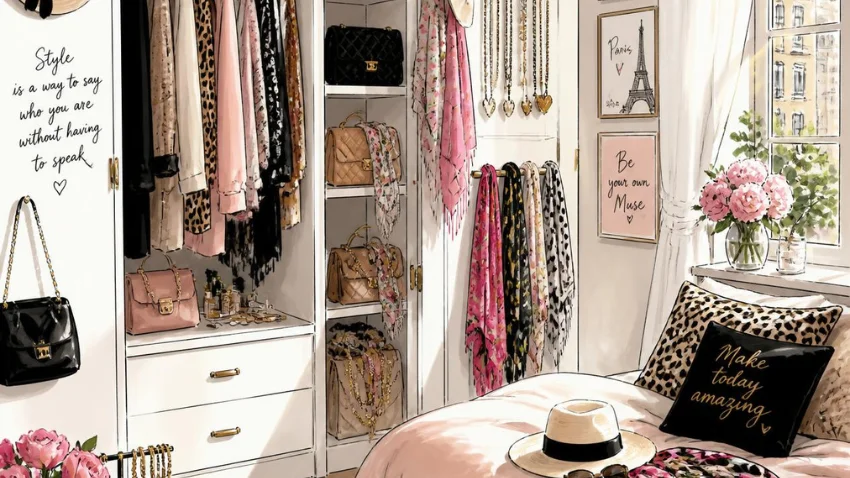
Accessories can give a minimalist wardrobe more variety without requiring many additional clothes. A simple outfit can look completely different when you change the shoes, bag, belt, watch, scarf, or jewelry.
This is especially useful if you prefer owning fewer clothing pieces but still want different looks. Instead of buying another outfit, you can often change a few accessories to create a fresh appearance.
For example, a navy outfit with brown accessories can feel warm and classic, while the same outfit with black accessories may appear sharper and more formal. A colorful scarf or handbag can also add personality to a neutral outfit without making the overall look complicated.
A Simple Minimalist Wardrobe Checklist
Before considering your wardrobe complete, make sure you have enough clothing for your actual lifestyle rather than an imaginary one.
| Wardrobe Area | What to Look For |
| Everyday Basics | Comfortable and easy-to-style pieces |
| Workwear | Clothing appropriate for your workplace |
| Outerwear | At least one dependable seasonal layer |
| Footwear | Comfortable shoes for your main activities |
| Smart Clothing | A few pieces for dressier occasions |
| Colors | A palette that allows easy combinations |
| Fit | Clothing that feels comfortable and flattering |
| Versatility | Pieces that work across multiple outfits |
The table isn’t a shopping list. Use it as a way to identify gaps. If an area is already covered, there is no need to buy more simply to reach a certain number.
Creating a minimalist wardrobe that works is less about owning a specific number of clothes and more about making better decisions about what deserves a place in your closet. The most useful wardrobe is one that reflects your real lifestyle, contains pieces you genuinely enjoy wearing, and makes getting dressed easier.
Start by understanding what you already wear, remove items that no longer serve a purpose, and build around versatile basics. Choose a simple color palette, prioritize good fit, and look for pieces that can be worn in several different ways. At the same time, don’t be afraid to keep colors, patterns, or statement pieces that make your style feel personal.
The biggest benefit of a minimalist wardrobe isn’t simply having fewer clothes. It’s having less confusion, less unnecessary shopping, and more confidence in the clothes you already own.
Take the process slowly, make thoughtful purchases, and let your wardrobe evolve around your actual life. Over time, you’ll have a collection that feels simpler, more useful, and much easier to enjoy.
Frequently Asked Questions (FAQs)
How do I start a minimalist wardrobe?
Start by looking at the clothes you already wear regularly. Identify your favorite pieces, remove items that no longer fit your lifestyle, and then build around versatile clothing that works well together.
What should I remove from a minimalist wardrobe?
Consider removing clothes that no longer fit, feel uncomfortable, are damaged beyond practical repair, or haven’t been worn for a long time without a realistic reason. Seasonal and special-occasion pieces can stay when you genuinely need them.
Do minimalist wardrobes have to use neutral colors?
No. Minimalism is about owning useful and intentional clothing, not limiting yourself to neutral colors. Bright colors, patterns, and statement pieces can still be part of a minimalist wardrobe.
How many basic pieces should a minimalist wardrobe have?
There is no fixed number. The right amount depends on your lifestyle, work requirements, climate, and personal preferences. Focus on having enough reliable basics to create the outfits you actually need.
Why is fit important in a minimalist wardrobe?
Good fit makes clothing more comfortable and easier to wear regularly. Since minimalist wardrobes contain fewer pieces, each item needs to work well and feel comfortable enough for frequent use.
How can I make more outfits with fewer clothes?
Choose versatile pieces that can be combined in several ways, create a few repeatable outfit formulas, and use accessories such as shoes, bags, belts, scarves, or jewelry to change the look.
How often should I review a minimalist wardrobe?
A seasonal review is a useful time to check what you actually wore, what needs repair, what no longer fits, and whether you have any genuine wardrobe gaps.
Should I stop buying clothes to maintain a minimalist wardrobe?
Not necessarily. The goal is to make intentional purchases. Before buying something new, consider whether it fits your lifestyle, works with your existing clothes, and fills a genuine need.
Share This Article